
In 2016, the European Commission proposed plans for the European Travel Information and Authorisation System or ETIAS, an electronic travel authorisation for Singaporeans and citizens of other visa-exempt countries.
This is conceptually similar to other schemes like the ESTA (USA) or K-ETA (South Korea) — less onerous than applying for a Visa, but not as simple as just turning up at the airport either.
But the road to implementation has been far from smooth. Originally slated for an early 2022 launch, ETIAS has been hit by repeated delays, with the authorities most recently targeting a Q4 2026 introduction. However, with the rollout of the EES biometric entry and exit system causing chaos across European airports, reports now suggest that the launch date has quietly slipped into 2027.
Mind you, I don’t think many travellers will be bothered about the perpetual delay of yet another piece of red tape…
ETIAS implementation delayed to 2027
According to a report in The Financial Times, the EU will push the introduction of ETIAS into 2027.
|
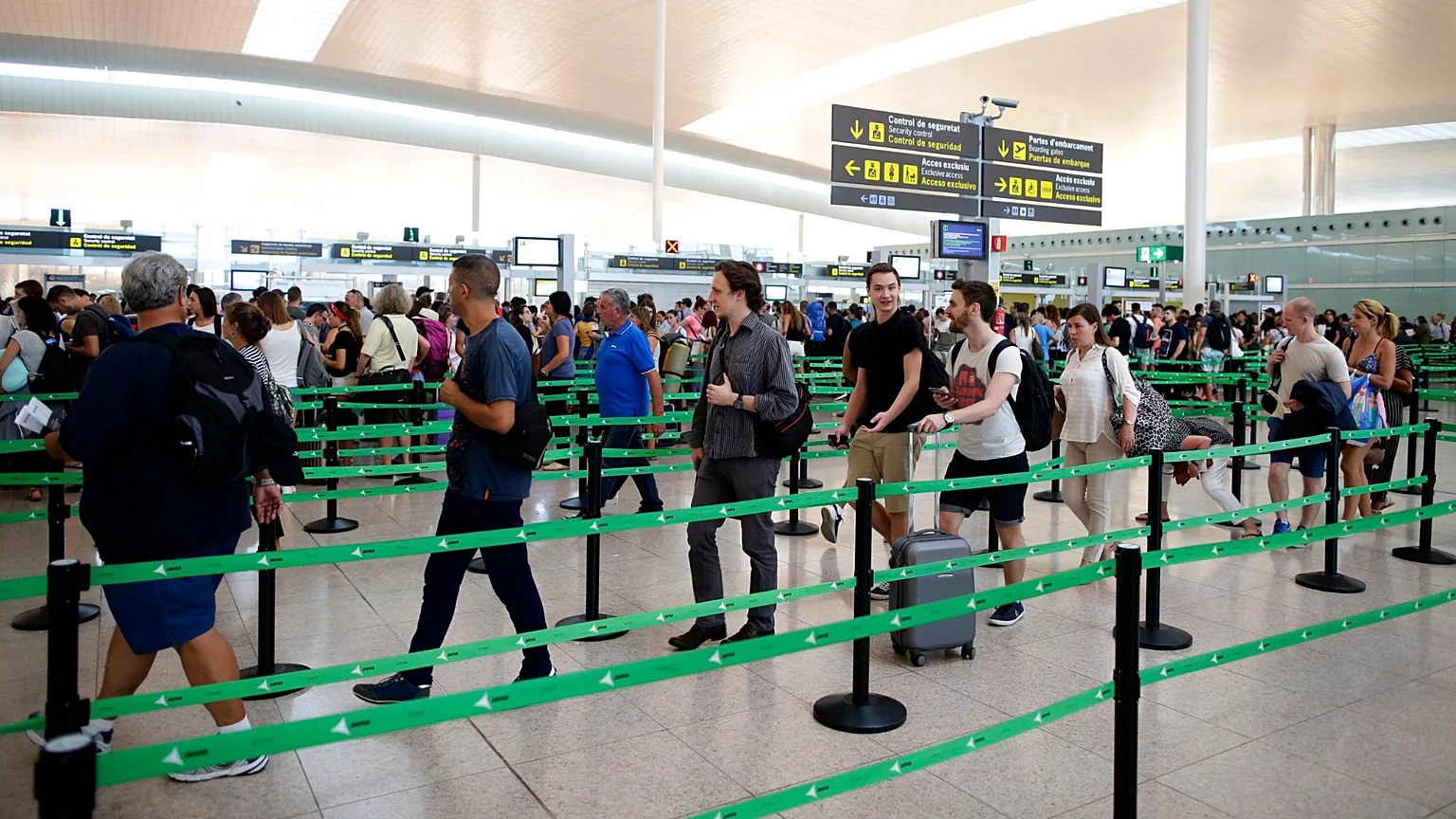
Discussions about delaying Etias follow technical glitches and slow deployment of the bloc’s new electronic entry/exit system (EES), which requires non-EU travellers to scan their fingerprints and facial images at its borders. The problems have led to long queues at some airports and land crossings, and prompted warnings from the aviation industry of a chaotic summer ahead. EU-Lisa, the agency in charge of implementing Etias, has acknowledged that launching it by the end of this year as planned was no longer feasible, according to three people briefed on the matter. -Financial Times |
It’s worth noting that this has yet to be officially confirmed, and the European Commission’s website still cites an operational date in the last quarter of 2026.
The EU-Lisa management board is reportedly set to meet again in September to discuss a new timeline, amid concerns that ongoing IT issues with ETIAS could further exacerbate the travel disruptions sparked by the introduction of the EES biometric system.
Officials believe any delay will be limited to around one quarter, though even after the ETIAS is formally launched, travellers may not need to apply immediately. That’s because the launch of ETIAS will be followed by:
- a transitional period of at least six months, during which travellers without ETIAS will still be permitted entry, so long as they fulfil all other entry conditions
- a further grace period of another six months, during which travellers coming to Europe for the first time since the end of the transitional period will be allowed to enter without an ETIAS, so long as they fulfil all other entry conditions
Recap: How does ETIAS work?

An ETIAS travel authorisation will be required for travellers who:
- Are not EU nationals
- Do not have a residence permit/card/document issued by any of the European countries requiring ETIAS
- Are citizens of a country under the visa waiver programme
A valid ETIAS allows the holder to visit the following 30 European countries, staying for up to 90 days within any 180-day period.
|
|
| *Time spent in Cyprus does not count towards the “90 days within 180-day period” for the other 29 countries, and vice versa |
|
Notable European countries where ETIAS will not be required include Ireland, Turkey, and of course, the United Kingdom (though it has its own electronic travel authorisation, which is already in effect and costs £20).
An ETIAS will not be required if you are only transiting through a European airport (and remain in the international transit area), en route to another destination. However, if you’re travelling on separate tickets, then it’s very likely that the first airline will request an ETIAS, for the simple reason that they don’t want to be on the hook for the cost of repatriating you should anything go wrong.
You do not need to have confirmed travel plans to apply for an ETIAS. During the application process, you will be asked to indicate the first country you intend to stay in, but you can subsequently change your plans after approval and travel to any of the 30 European countries participating in ETIAS.
An ETIAS is valid for up to three years, or until your passport expires, whichever comes first.
How much does an ETIAS cost?

Last year, the European Commission announced that the cost of an ETIAS would be increased to €20 (~S$30), almost three times the originally proposed €7 (~S$10).
This increase aims to cover the operational costs of ETIAS, taking into account all its functionalities and inflation rates, and align the EU fee to the ones of other countries that have similar travel authorisation programmes.
-European Commission
I suppose it shouldn’t come as a shock that when you set a price in 2016 and implement it a decade later, there’s going to be some adjustments necessary. Moreover, I doubt that the increase will result in a significant drop in travel demand to the EU — if your budget can’t stomach an additional S$20 then perhaps it’s not the best idea to travel there in the first place.
It’s worth noting that anyone aged under 18 or over 70 (at the time of application) will not be required to pay for an ETIAS, though they must still apply for one.
Therefore, if you have a 17-year old child, it would make sense to apply for an ETIAS just before their 18th birthday, to cover them for unlimited trips until the age of 21 at no cost.
Further FAQs and official website
Further FAQs about the ETIAS scheme can be found here.
When the system does eventually go live, you can apply via this link. As with every electronic travel authorisation scheme, there will inevitably be a ton of copycat websites designed to look like the real deal. At best, these will help you apply for a legitimate ETIAS, but charge a stiff markup. At worst, they might flat-out scam you.
To be safe, always apply on the official website.
Conclusion
The long-delayed ETIAS scheme has reportedly suffered another setback, with the implementation date now expected to slip into 2027.
This means that Singaporeans and citizens of other visa waiver countries can continue visiting Europe as usual — and remember, even after ETIAS goes live, there will be a transitional period where you won’t have to apply for one straight away.
With the rollout of the EES biometric system already causing disruptions across many European airports, authorities have understandably prioritised resolving those issues. Adding another layer of bureaucracy is probably the last thing they need right now.

Every passenger waiting more than 60 minutes due to this Biometric mess should be compensated EUR100 per hour, or part thereof. Standing in a queue for up to 5 hours after a 12 hour flight is so unacceptable I am at a loss for words.
sorry to hear that- which airport?
it is a real debacle at some EU arrivals!