
When Singapore Airlines first announced its Airbus A350 retrofit programme in November 2024, it was very careful with its phrasing. While the airline promised new seats for First and Business Class, it hedged a bit more with Premium Economy and Economy Class, saying that these would get a “refresh”.
“The new First Class and Business Class seat designs will incorporate thoughtful elements that push the boundaries of comfort, luxury, and modernity, allowing our customers to relax or work effortlessly on board.
Premium Economy Class and Economy Class customers can also look forward to refreshed cabin interiors that enhance their travel experience.”
-Singapore Airlines
Still, “refresh” is open to interpretation, and hopes were high that this might fall towards the heavier end of the spectrum.
Well, now we know.
Last week, Singapore Airlines announced its next-generation KrisWorld inflight entertainment system, which brings with it 4K high-resolution screens, Bluetooth pairing for personal headphones, USB-C ports and wireless charging.
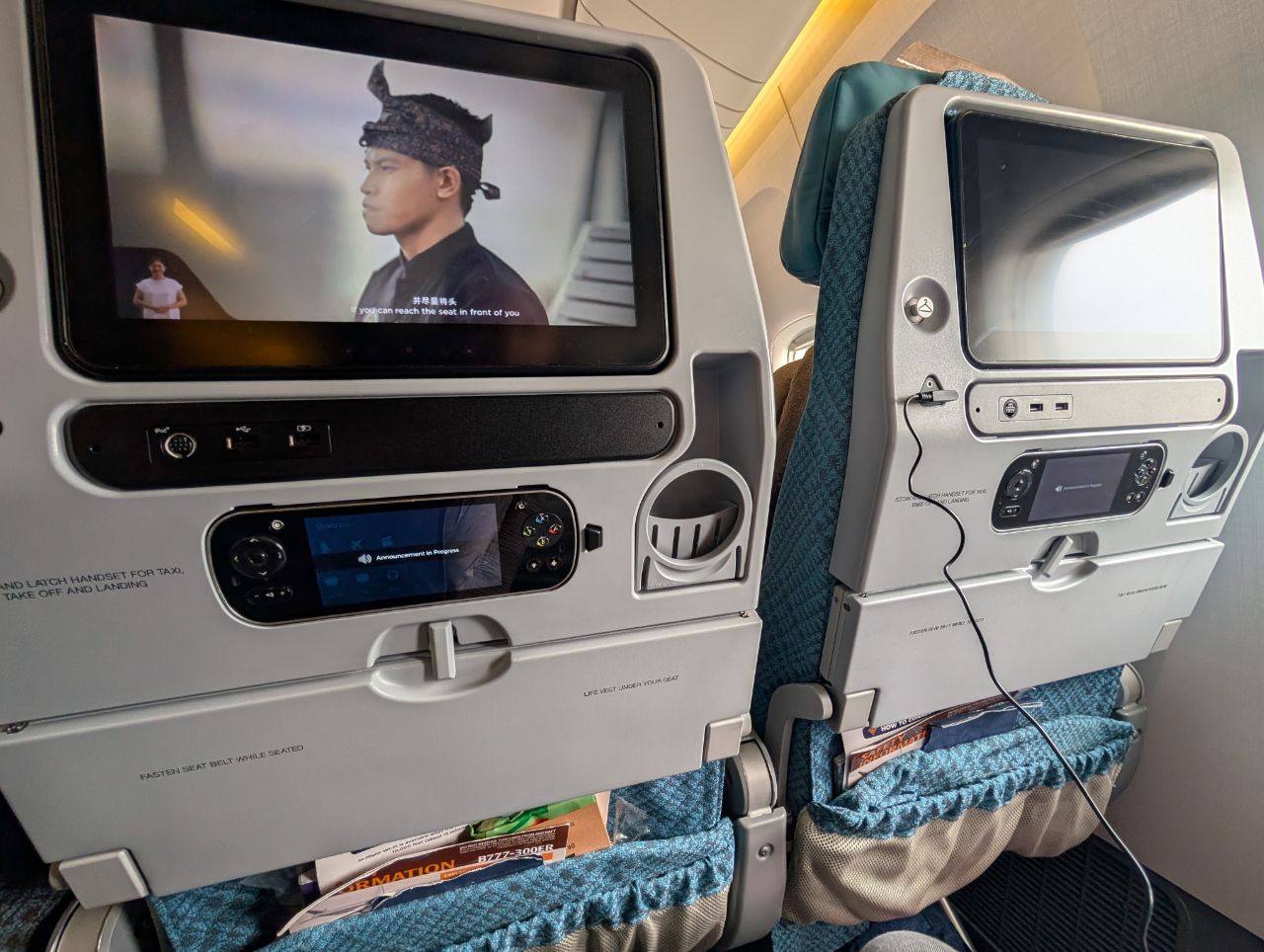
But inside the announcement was a confirmation that this wouldn’t be for everyone — at least, not on the retrofitted A350s. While Premium Economy and Economy Class passengers on these aircraft will enjoy the upgraded KrisWorld system with spatial audio, the hardware it’s running on, and the seat it’ll be installed in, will be basically unchanged. This means no 4K screens, no Bluetooth, and no USB-C ports.
That’s a bummer, to put it mildly. I mean, my assumption all along was that these features were done deals — how could they not be? Such features are already becoming commonplace on competitors, but SIA’s Premium Economy and Economy passengers will be flying into the late 2030s with USB-A ports.
Now that the dust has settled somewhat, I wanted to share my thoughts on why I find this disappointing, and what could be the reason behind this decision.
What’s happening with Premium Economy and Economy Class on the A350s?
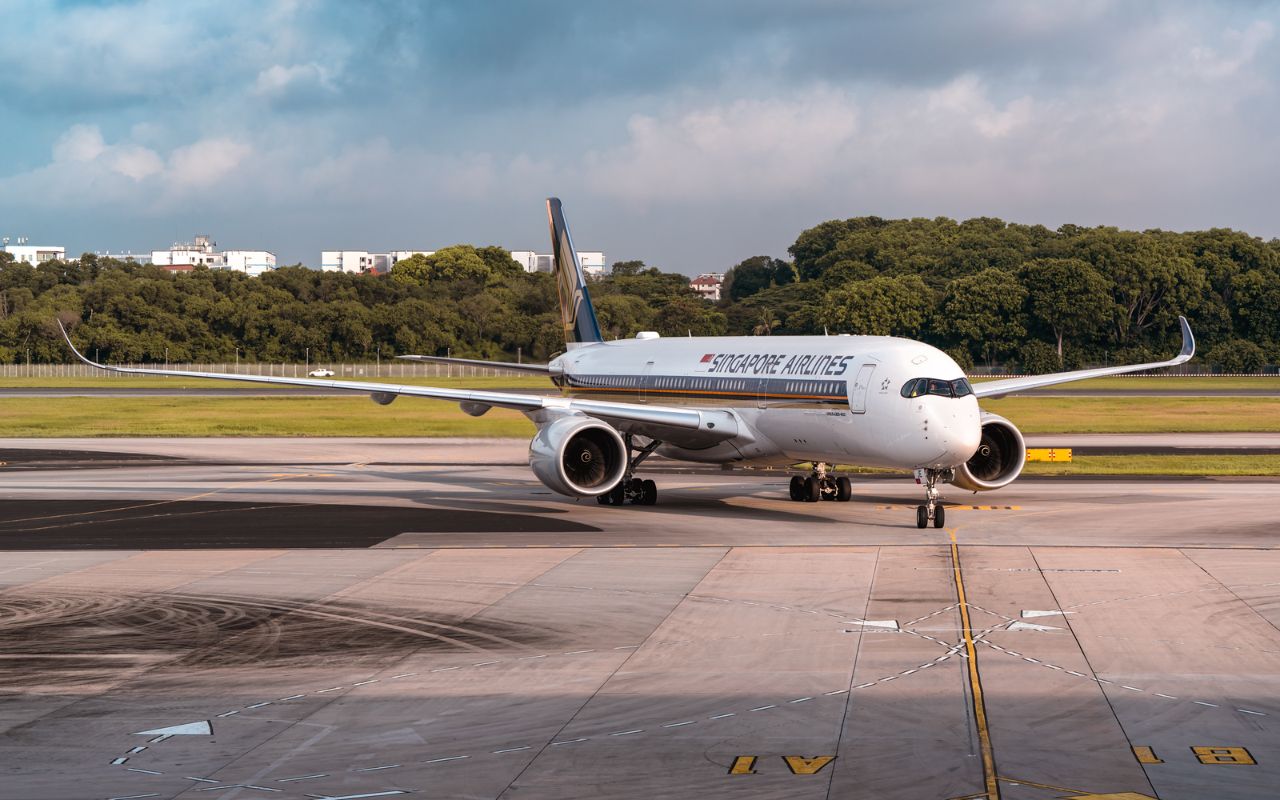
Singapore Airlines has unveiled its plans for Premium Economy and Economy Class on the 34 A350-900LH and 7 A350-900ULR retrofitted aircraft, and there isn’t much here, to be frank.
| ✈️ Airbus A350-900LH | |||
| Business (42 seats) |
Premium Economy (24 seats) |
Economy (192 seats) |
|
| Screen Size | 22″ | 13.3″ | 11.1″ |
| 4K Screens | ✅ | ❌ | ❌ |
| OLED | ✅ | ❌ | ❌ |
| New KrisWorld | ✅ | ✅ | ✅ |
| Spatial Audio | ✅ | ✅ | ✅ |
| Bluetooth Audio | ✅ | ❌ | ❌ |
| USB-C | ✅ | ❌ | ❌ |
| Wireless Charging | ✅ | ❌ | ❌ |
| Headphones | ANC | ANC | Wired earphones |
| ✈️ Airbus A350-900ULR | |||
| First (4 seats) |
Business (70 seats) |
Premium Economy (58 seats) |
|
| Screen Size | 32″ | 22″ | 13.3″ |
| 4K Screens | ✅ | ✅ | ❌ |
| OLED | ✅ | ✅ | ❌ |
| New KrisWorld | ✅ | ✅ | ✅ |
| Spatial Audio | ✅ | ✅ | ✅ |
| Bluetooth Audio | ✅ | ✅ | ❌ |
| USB-C | ✅ | ✅ | ❌ |
| Wireless Charging | ✅ | ✅ | ❌ |
| Headphones | B&O Wireless ANC | ANC | ANC |
Premium Economy and Economy Class will get the next-generation KrisWorld system, which will offer more than 2,500 entertainment options and spatial audio support. The seats will probably receive some new upholstery too, but that’s basically it. All the other toys are reserved for First and Business Class.
What tech features are missing?
4K screens

Some might say that 4K screens in Economy are a gimmick, and I can certainly see where they’re coming from.
Assuming a 13-inch screen, viewed from a seatback distance of roughly 60-75cm, most people’s eyes won’t be able to appreciate the 4K difference. Besides, inflight content is typically stored at compressed bitrates, and a 4K panel can’t recover detail that isn’t in the source.
But 4K isn’t just about resolution. It’s also shorthand for a newer panel. Modern 4K screens offer better contrast, brightness and black levels, which stand up better in harsh sunlight. The viewing angles are better, which matters when the seat in front of you reclines and you need to tilt your screen upwards.
Newer panels with upgraded processing power also tend to be more responsive to touch, which reduces the likelihood of the passenger behind jabbing hard at the screen because it’s not registering their input, or lagging significantly (come to think of it, I wonder how the existing hardware will be able to handle the increased workload of the new KrisWorld).
I’ve enjoyed crisp 4K displays in Economy on STARLUX and United Airlines which felt responsive and delightful to use, no different from swiping on a high-end tablet.
Bluetooth audio connectivity
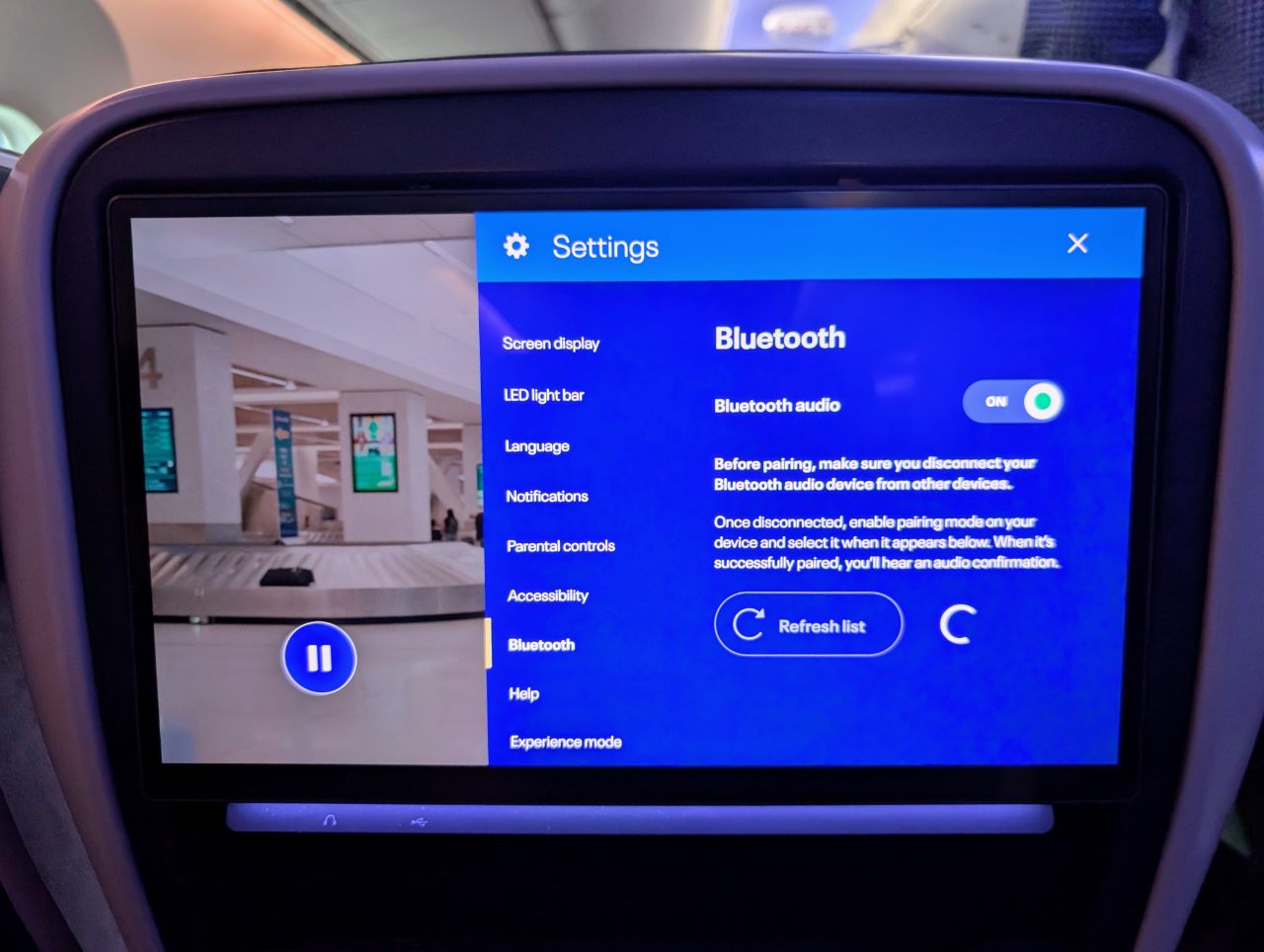
But fine, if push came to shove, I could do without 4K in Economy. An upgraded full HD monitor would do the job just as well, as Air New Zealand’s new Premium Economy and Economy Class have shown.
The omission of Bluetooth audio connectivity is harder to accept.
Given the generally crappy quality of complimentary headphones in Economy, it’s no wonder that many passengers prefer to use their own. But since most phones have long done away with the headphone jack, chances are your personal headphones or earbuds rely on Bluetooth connectivity. If there’s no support for this, then passengers will either have to purchase a Bluetooth transmitter dongle like AirFly, or bring a wired pair.
I’ll concede that Bluetooth audio isn’t always perfect. I have noticed issues with audio sync lag, and pairing can be finicky in a cabin full of devices.
Still, I love that it frees me from wires, which is especially important in Economy Class, where personal space is at a premium. The last thing you want is to clutter your area with more cords, which can knock over drinks, tangle with seatbelts, get snagged by the tray table or yank you back with a firm rebuke should you be absent-minded enough to get up from your seat (since you’re so used to wireless connections).
USB-C
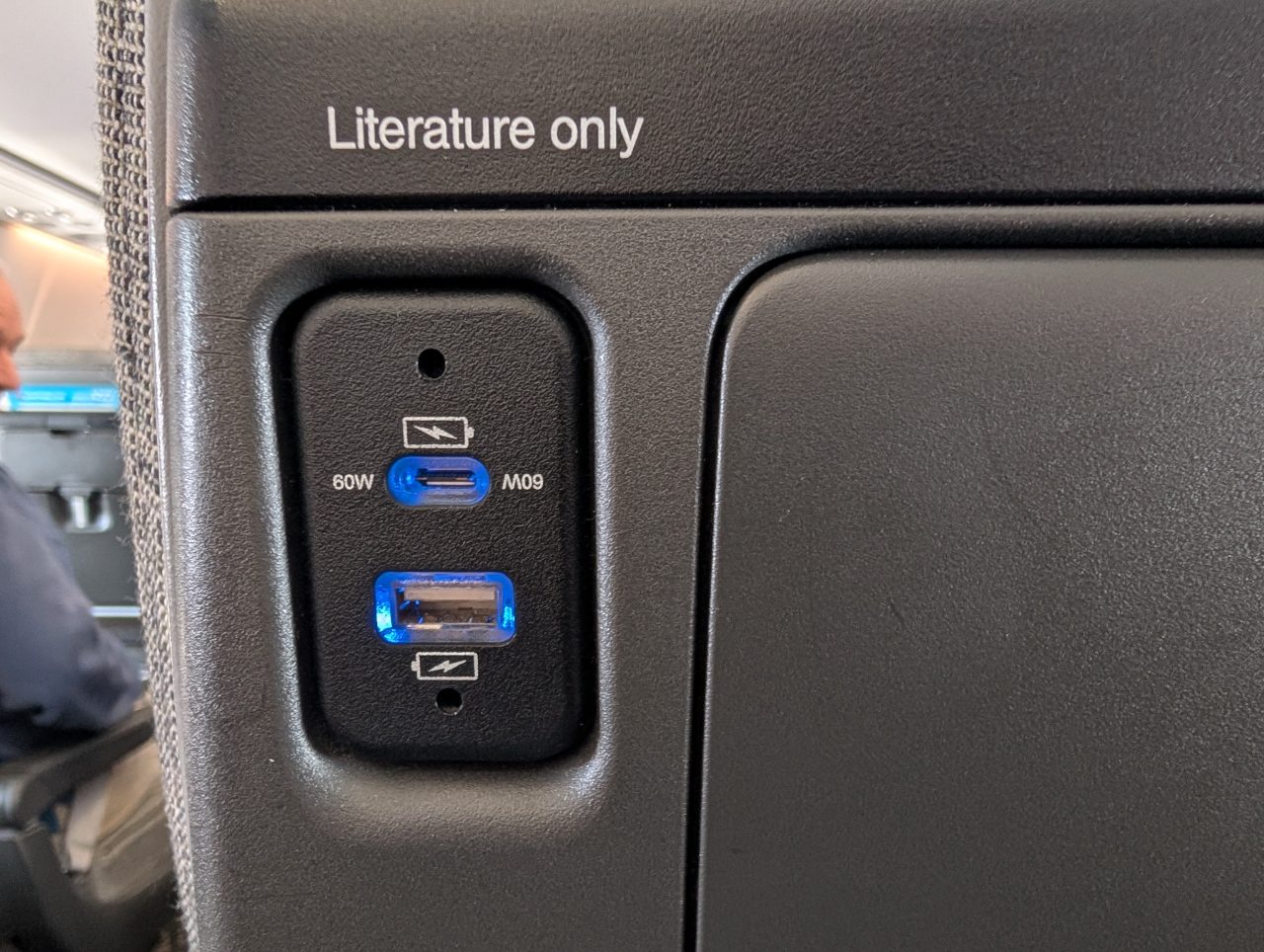
Of the three omissions, this is the one that bothers me the most.
USB-C is practically essential these days, as the de facto standard for charging. A modern USB-C port with PD can output as much as 60W, allowing you to juice up your laptop or tablet with the right cable.
But Singapore Airlines is sticking with the older USB-A in Premium Economy and Economy Class, which is fast becoming obsolete. These output perhaps 5W on average, way below the demands of a modern smartphone.
Then there’s the compatibility issue, because most devices ship with only a USB-C to USB-C cable in the box. Passengers will have to hang on to their old USB-A cables when flying with SIA, or carry a USB-C compatible travel adapter.
The issue is only going to be compounded by the arrival of Starlink, because passengers will be streaming and working on their devices more than ever. Given that power banks can’t be used in flight, I foresee a lot more competition for the power outlets in Economy, where the ratio of seats to outlets is 3:2.
Remember, the A350-900LH and A350-900ULR serve some of the longest flights in the SIA network. That’s a long time to be relying on last-generation charging.
What about the seats?
The retrofitted A350s will keep the same Premium Economy and Economy Class seats as today, probably with some minor upholstery refreshes.
Premium Economy
Both the A350-900LH and A350-900ULR use the same first-generation Premium Economy seat that SIA introduced in 2015.

It already looks dated compared to the newer models that competitors like Emirates and Japan Airlines are introducing, which feature electric seat controls, adjustable privacy dividers, and shell-type seats which recline without intruding on the row behind (along with all the tech improvements I mentioned earlier). Even simpler models like Cathay Pacific’s offer better privacy and quality-of-life features like device holders.
I can’t imagine how much more that gap will grow over the next decade.
Economy
When it comes to Economy Class — not available on the A350-900ULR, remember — the situation is more complicated.
Singapore Airlines actually has three different variants of A350-900LH, which differ in terms of maximum take-off weight and range.
The earliest aircraft it received had a range of 7,270nm, but later deliveries had aerodynamic performance improvement packages which extend this range to 7,750nm, then 8,100nm. The latest v3 models allow SIA to serve the US West Coast without payload restrictions (meaning that the 9,700nm range on the ULRs is only really necessary for Newark and New York).
| ✈️ Singapore Airlines A350-900LH Variants |
|||
| v1 | v2 | v3 | |
| MTOW | 268t | 275t | 280t |
| Approx. Range | 7,270nm | 7,750nm | 8,100nm |
| Economy | 2013Y | 2013Y | 2017Y |
| Source: Airbus |
|||
In terms of seats, all three variants have the same 2013 Business Class and 2015 Premium Economy Class seat, but differ in Economy Class. The earlier models have the 2013 Economy Class seat, while the v3 has the 2017 Economy Class seat.
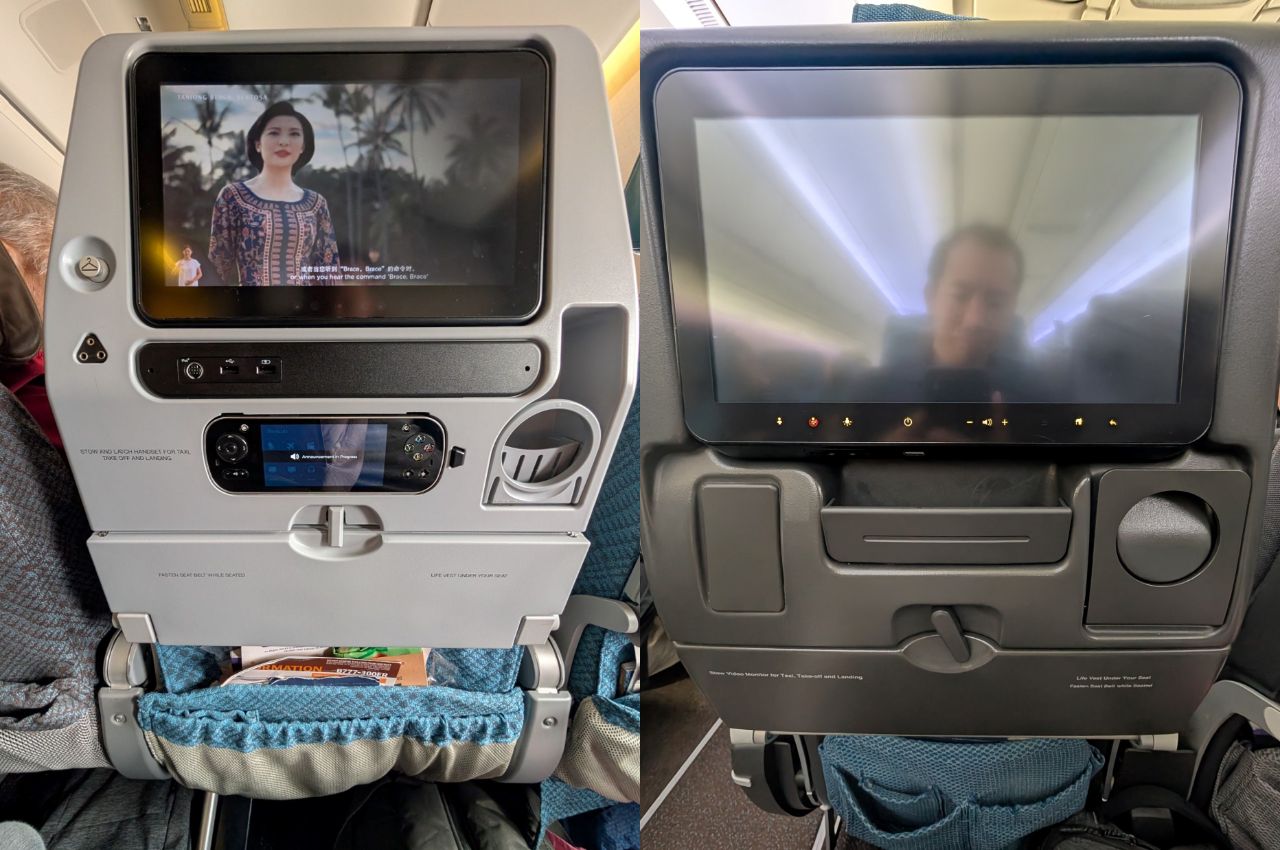
The most meaningful difference between the two is that the 2013 version has a gamepad-style touchscreen remote, while the 2017 version ditches it completely (unless you’re in the bulkhead seats, where the screen is too far to reach).
| 2013 Economy Class | 2017 Economy Class | |
| Seat Width | 19″ | 18.5″ |
| Screen Size | 11.1″ touchscreen | 11.1″ touchscreen |
| Touchscreen Remote | Yes | No |
| Ports | 2x USB-A, iPod dock | 1x USB-A |
| Power Outlets | 3 seats to 2 outlets | 3 seats to 2 outlets |
Either way, it’s hard for these seats to hide their age. The 2013 seat shows it the most, unsurprisingly, with its sagging literature pockets, iPod dock, USB-A ports and washed out LCD panels with thick bezels, set into chunky plastic frames.
Why omit these cabins?
Singapore Airlines’ decision not to install new Premium Economy or Economy Class seats on its retrofitted A350s has ignited a lot of online discussion, with commenters criticising the airline for penny-pinching.
Cost was undoubtedly a factor, but it should be said that it’s not just about the money. Certification is what makes upgrading these seats so expensive, both in dollars and time.
Aircraft seats are safety equipment first, furniture second. They have to pass crash testing, including the infamous “16G test”, where crash test dummies are strapped into seats and subjected to violent deceleration. In such a scenario, the head often hits the seatback in front, which is exactly where the screen sits. The impact must be survivable, so the seatback, screen and mounting are all part of the evaluation. Any changes to the seatback shell or structure to accommodate new or bigger screens will almost certainly require recertification.
I’ve also seen some commenters asking why SIA couldn’t simply swap the existing USB-A port with a USB-C port. Again, it’s not that simple. USB-C with Power Delivery outputs far more power than USB-A, which means new power supplies, wiring, and heat management, all of which come with their own regulatory requirements. Bluetooth transmitters, meanwhile, have to be shown not to interfere with the aircraft’s systems. It all adds up, and it’s very difficult to make meaningful hardware changes to the inflight entertainment system without triggering a recertification.
On the other hand, the kind of light refresh that SIA is planning will most likely involve new upholstery, typically sourced from suppliers who use already-qualified materials. Software updates like the new KrisWorld interface and spatial audio are unlikely to require recertification, so long as there are no hardware changes.
Could SIA have done a full upgrade anyway? Of course, but it would come at a hefty price. Beyond the direct costs of engineering, testing and new hardware for hundreds of seats per aircraft, each A350 would spend longer out of service, and remember: there are 41 aircraft to refit. Some constraints can’t be solved by throwing money at them either. Test facilities and certification teams are stretched across the industry, and are still feeling the effects of losing experienced staff during COVID.
More importantly, there’s a further risk of delay. SIA has already struggled with certification of one of the new seats (most likely the new First Class). If Premium Economy and Economy hit a snag of their own, it could hold up the entire retrofit programme, including the premium cabins that generate the bulk of SIA’s revenue.
In other words, it’s not that SIA couldn’t upgrade Premium Economy and Economy. At the end of the day, almost any certification hurdle can be cleared if an airline is willing to pay enough or wait long enough, and other airlines have done nose-to-tail refits of their A350 cabins. SIA simply decided the extra cost, downtime and risk weren’t worth it, at least for now.
Not just the A350s

It’s not just the A350-900LH where Economy passengers will be flying into the next decade without significant tech upgrades.
SIA’s A350-900MH, A380-800 and B787-10 all have some variant of the 2017 Economy Class seat, and there’s no indication that these will be refreshed anytime soon. In fact, SIA is still taking new deliveries of B737-8 MAX aircraft where the only power source in the Economy cabin is a single USB-A port — only Business has AC power outlets.


In other words, this is what it’s going to look like for Economy Class passengers across the SIA fleet, for the foreseeable future.
| Aircraft | No. in Fleet | 4K Screens | Bluetooth | USB-C |
| A350-900MH | 24 | ❌ | ❌ | ❌ |
| A350-900LH | 34 | ❌ | ❌ | ❌ |
| A380-800 | 12 | ❌ | ❌ | ❌ |
| B737-8 MAX | 26 | ❌ | ❌ | ❌ |
| B777-300ER | 22 | ❌ | ❌ | ❌ |
| B787-10 | 28 | ❌ | ❌ | ❌ |
| B777-9 | 0 (31 on order) |
✅ | ✅ | ✅ |
| Not shown: 7x A350-900ULR, where no Economy Class cabin is available |
||||
What about the Boeing 777-9?

The real hope for Premium Economy and Economy Class passengers is the upcoming Boeing 777-9.
Here’s where SIA is promising all-new seats for these cabins, with all the modern-day bells and whistles. This is more what I had in mind for the A350 retrofits: larger, modern screens, Bluetooth pairing, and USB-C charging.
| ✈️ Boeing 777-9 | ||||
| First | Business | Premium Economy |
Economy | |
| Screen Size | 32″ | 20″ | Up to 16″ | Up to 13″ |
| 4K Screens | ✅ | ✅ | ✅ | ✅ |
| OLED | ❌ | ❌ | ✅ Selected A/C |
✅ Selected A/C |
| New KrisWorld | ✅ | ✅ | ✅ | ✅ |
| Spatial Audio | ✅ | ✅ | ✅ | ✅ |
| Bluetooth Audio | ✅ | ✅ | ✅ | ✅ |
| USB-C | ✅ | ✅ | ✅ | ✅ |
| Wireless Charging | ✅ | ✅ | ❌ | ❌ |
| Headphones | B&O Wireless ANC | ANC | ANC | Wired earphones |
Surprisingly, Premium Economy and Economy Class passengers on the B777-9 will actually enjoy a feature that First and Business Class won’t. Throughout the B777-9 fleet, First and Business Class will not have OLED screens, but on selected B777-9s, Premium Economy and Economy Class will have OLED screens.
Why is this the case? This is pure speculation on my part, but the B777-9 is about seven years late, and SIA’s First and Business Class seats were likely designed and certified long ago, when large OLED aviation screens weren’t a realistic option. And since changing the screen in a seat can trigger recertification, SIA may have decided to stick with what it had. The OLED screens in Premium Economy and Economy may have been decided on later.
This even suggests that the First and Business Class seats on the A350 retrofit — which have OLED panels — may be of a newer design, even though the A350s will enter service first.
It could also be the case that smaller OLED panels are easier to source, or the weight savings from choosing these over backlit LCDs really add up across the hundreds of seats in Premium Economy and Economy, compared to a few dozen First and Business Class seats.
The question no one wants to answer, however, is when this aircraft will actually arrive. The troubled Boeing 777-9 has suffered countless delays throughout its development cycle, and is now running seven years behind schedule.
Boeing is still forecasting the first deliveries to take place in 2027, but it’s anyone’s guess as to whether that actually happens. Besides, SIA isn’t even the launch customer, so it won’t be first in line to receive the new aircraft (two of its B777-9s have begun test flights already, which is somewhat encouraging).
SIA has 31 of these aircraft on order, though I’m doubtful we’ll see them in any significant number in the next few years. And what that means is that the vast majority of SIA Premium Economy and Economy Class passengers will be flying into the 2030s on seats that were designed decades ago.
Conclusion
Singapore Airlines’ A350 retrofit will bring First and Business Class firmly into the modern era, with 4K OLED screens, Bluetooth pairing, USB-C and wireless charging. But for the passengers at the back of the plane, there isn’t a lot to look forward to.
I can understand the reasoning to an extent — certification is expensive, slow and risky, and with the new premium cabins already years behind schedule, there’s every incentive to keep the rest of the retrofit simple. Still, these aircraft are expected to fly some of SIA’s longest routes into the late 2030s, where their shortcomings will become more and more apparent with every passing year.
It’s not just a problem with the A350, because the rest of SIA’s fleet has the same issues, and that won’t change until the B777-9 arrives in meaningful numbers.
Here’s hoping that SIA does have a second phase planned for Premium Economy and Economy, so we won’t have to hang on to our USB-A cables for another decade.

The budget for these features were cannibalized by the loss in Air India.
The economy class seats on SIA aircraft ,with the exception of B777W and A350LH, are very uncomfortable. The seats are thin, have little cushioning and are very narrow. B777W has the best economy class seats even though some of the aircraft are already approaching 20 years old.
Speaking of 4k screens, even my domestic flight from Gimpo to Busan on KE’s A321neo has 4K screens and USB C charging port.
USB-A only was a disgrace in 2023. Let alone 2026. Let alone 2036!
When they have legions of supporters that go misty-eyed whenever FAs address them by name or kneel to get to their eye-level, nothing else really matters. This is why SIA consistently trots out passenger surveys claiming these gimmicks are low priority. Just keep the kneeling and “most certainly” coming 🥹.
Cathay, Finnair, Qantas, even BA are doing full cabin retrofit. Why not SQ? The same incompetent conservatism that led to the controversial 2013J seat is still alive and well at SIA