
If you’ve been using the Trust Freedom Card for some time now, you may have noticed it behaves oddly in situations where pre-authorisations are required, such as checking into a hotel, or picking up a rental car.
That’s because the Trust Freedom Card is a weird hybrid of debit card and credit card.
Confused? I don’t blame you. As far as Trust is concerned, this is a credit card in every way that matters. You must be at least 21 years old and earn at least S$30,000 per year to qualify, transactions enjoy an interest-free period of up to 45 days, and late payments incur interest of up to 29.9% p.a.
But from the merchant’s point of view, all their system sees is a debit card, period. This means the Freedom Card is treated differently in certain circumstances — sometimes better, sometimes worse.
Trust Freedom Card: Credit card or debit card?
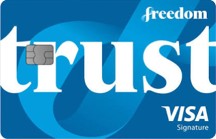
Over the past few weeks, I’ve received several messages from readers and seen various comments in the community about the Trust Freedom Card being treated as a debit card, not a credit card.
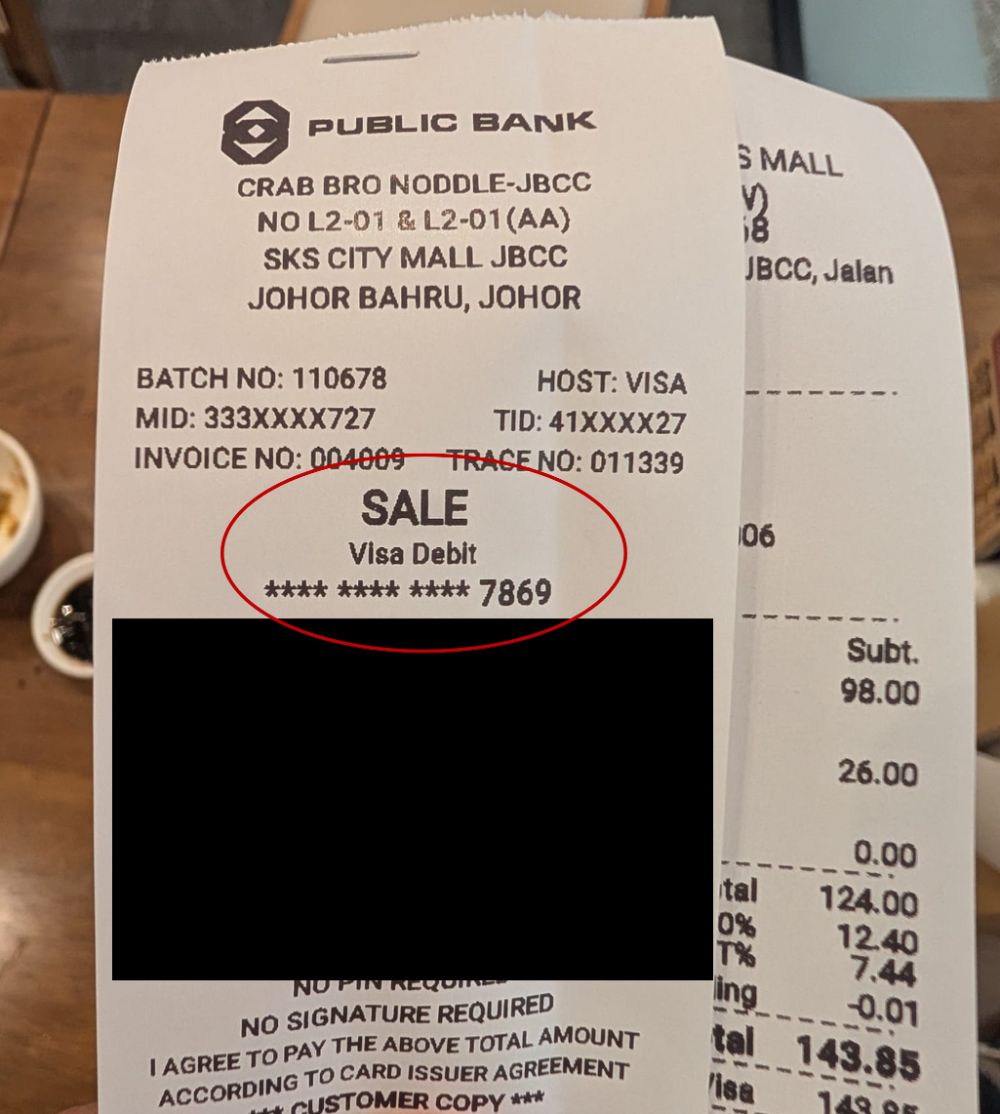
I encountered this myself in Malaysia, where I noticed that the payment slip labelled my Trust Freedom Card as a Visa Debit. But you can also verify this online with any BIN checker, or when paying through an online processor such as Link by Stripe.
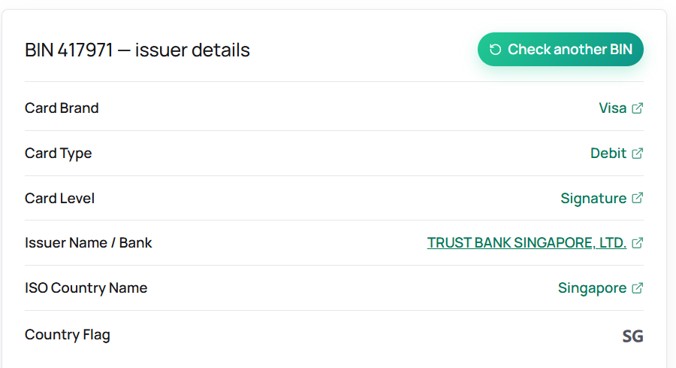
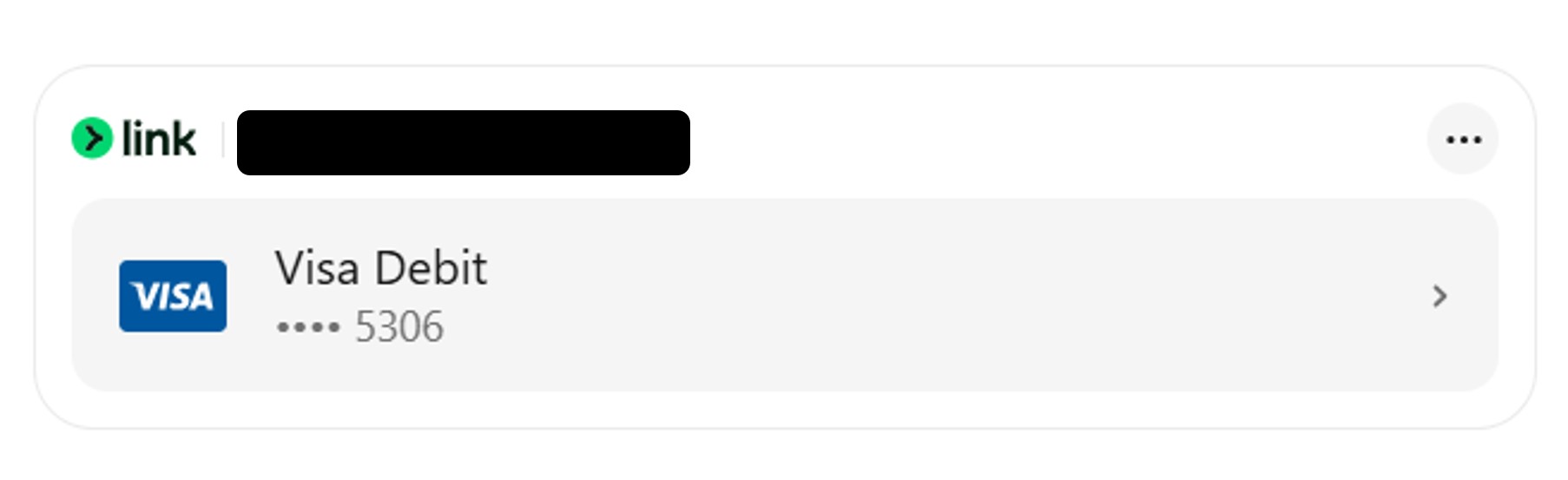
Why is this happening?
Well, it’s pure speculation on my part, but I suspect it has something to do with Trust’s original setup, back when it first launched in 2022.
You may remember that Trust’s first card — the Link Card — was a single card that could work as a debit card or credit card, with the switch handled in the app.
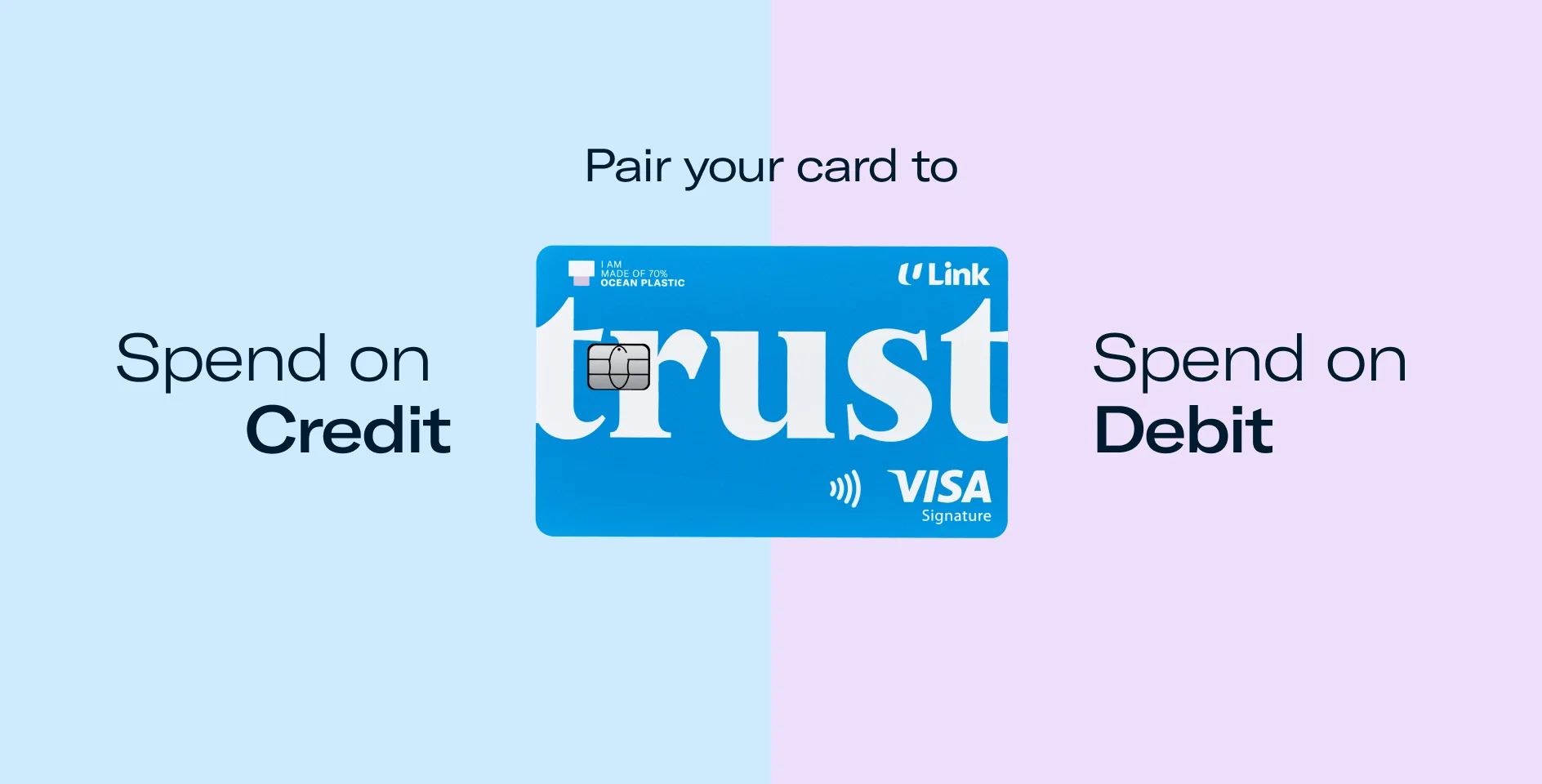
A Visa BIN range can only be registered as one product type. If one card number has to support debit functions like ATM withdrawals and direct account debits, a debit BIN is the safer choice, with the credit logic handled at Trust’s end.
The Trust Freedom Card doesn’t have the switch feature, but for whatever reason, it runs on the same BIN ranges. Therefore, it’s inherited the same debit label, even though it’s a pure credit product.
What are the implications?
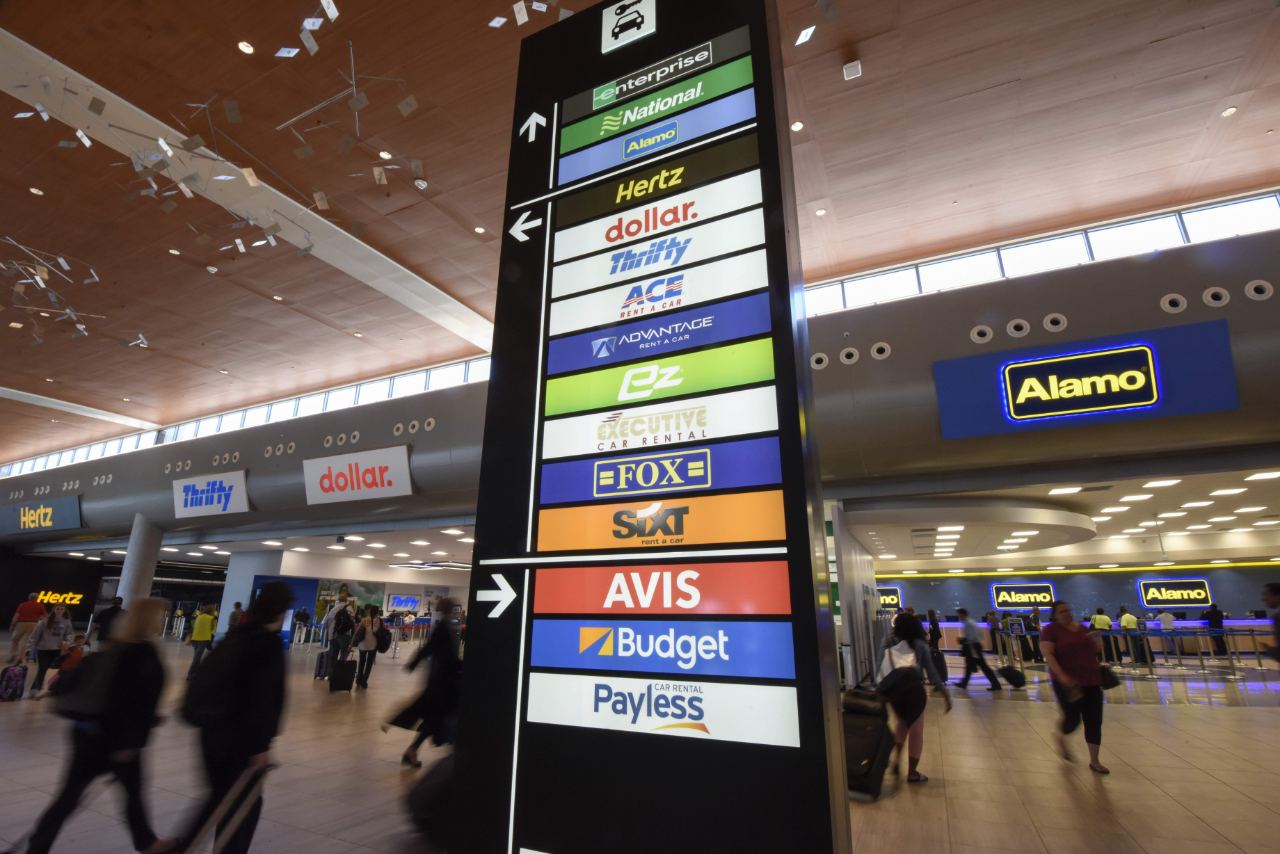
You’re most likely to notice the differences in situations where pre-authorisations are required, such as renting a car, or checking into a hotel.
Car rentals
Certain car rental companies do not accept debit cards, period. One reader commented that his card was rejected at Toyota Rent a Car in Japan, which stopped accepting debit cards in July 2026.
Others may require a larger deposit, restrict the type of vehicle you can rent, or ask for additional documentation (such as a return flight itinerary).
What you might want to do in this case is provide another credit card at the time of rental, then switch the payment method to the Trust Freedom Card when returning the car. You’ll probably have to find a staff member to handle this though, which may not always be possible when rushing for a flight, or doing contactless drop-offs.
Hotels
It’s common practice for hotels to require a card to secure a reservation. Depending on how this is processed, you may run into issues using the Trust Freedom Card, as one community member reported. The same applies at check-in, where certain hotel chains may only accept credit cards.
Again, the solution is to provide another credit card at check-in, then switch to the Trust Freedom Card at check-out.
| 💳 Numberless card |
| This isn’t a debit/credit card issue per se, but since we’re talking about the Trust Freedom Card — the physical card is numberless, and in some countries numberless cards haven’t caught on yet. There are anecdotal reports of numberless cards being rejected, so make sure to carry a “traditional” credit card as backup. |
Merchant fees
There might be a potential upside to the Trust Freedom Card being a debit card.
In certain countries, it’s common for merchants to impose a surcharge on card transactions. The fees for accepting debit cards are lower than credit cards, so, you might actually end up paying less. In the United States, for example, merchants are not allowed to impose surcharges on debit cards, though they can for credit cards.
| 🇦🇺 What about Australia? |
| In Australia, prior to the removal of card surcharges in October 2026, it was common to see signs advertising lower fees for debit cards instead of credit. However, this referred to using EFTPOS (their equivalent of our NETS) to pay. Debit card payments using Visa or Mastercard still attracted the credit card fee. |
Fight club
There are certain platforms which don’t accept credit cards for payment, because of the risk of “kiting” (where the debt just moves around instead of actually being paid), as well as anti-money laundering regulations.
However, if you had a credit card that coded as a debit card, then you might be able to do some interesting things…
Still better than an actual debit card
While merchants treat the Trust Freedom Card as a debit card, cardholders still enjoy two key advantages of a credit card: how pre-authorisations are handled, and how fraud affects you.
Pre-authorisations
If you were to provide a debit card like Revolut or YouTrip to secure a rental car or hotel stay, the pre-authorisation would result in an actual deduction of funds from your account, leaving you with less money to spend.
Also, the hold and release may be converted at different exchange rates, so you could get back less than what was originally held.
With the Trust Freedom Card, the pre-authorisation only earmarks part of your credit limit. There is no actual deduction from your bank account, and when you return the car or check-out of the property, the hold is released. It may take a few days to happen, but you’re never actually out of pocket.
Fraud protection
When a fraudulent transaction hits a debit card, money is deducted from the linked account immediately, leaving the cardholder out of pocket while the bank investigates.
With the Trust Freedom Card, there’s no immediate deduction, giving you time to spot and dispute the transaction, and possibly receive a temporary credit for the disputed amount.
Conclusion
While it’s marketed as a credit card, the Trust Freedom Card is coded as a debit card. You won’t notice the difference for most day-to-day spending, but it might trip you up where rental cars and hotels are concerned.
Therefore, my advice is to carry a backup credit card just in case your Trust card runs into problems (and preferably one where the number is printed on the card).
What other issues have you encountered with Trust Freedom Card acceptance?

Seems like transactions staying pending for a very long time compared to credit cards