
In April 2026, the Park Hyatt Tokyo made the controversial decision to reclassify itself as a resort, a label which, conveniently enough, exempts it from the guaranteed 4 p.m late check-out benefit for Globalists. I had the dubious honour of being one of the first to discover this, having checked in on the very day the new policy went live.
While the hotel ultimately honoured the 4 p.m check-out, on the grounds that its website had yet to reflect the change at the time, this was a very disappointing development nonetheless.
In my mind, World of Hyatt was one of the more reliable programmes when it came to enforcing elite benefits, one you could trust to keep properties from playing games with semantics and technicalities. But if a city hotel can simply decide to identify as a resort overnight, what’s to stop others from trying their luck?
Sure enough, just a month later, we’re seeing another flagship property do just that.
Park Hyatt Sydney now classified as a resort
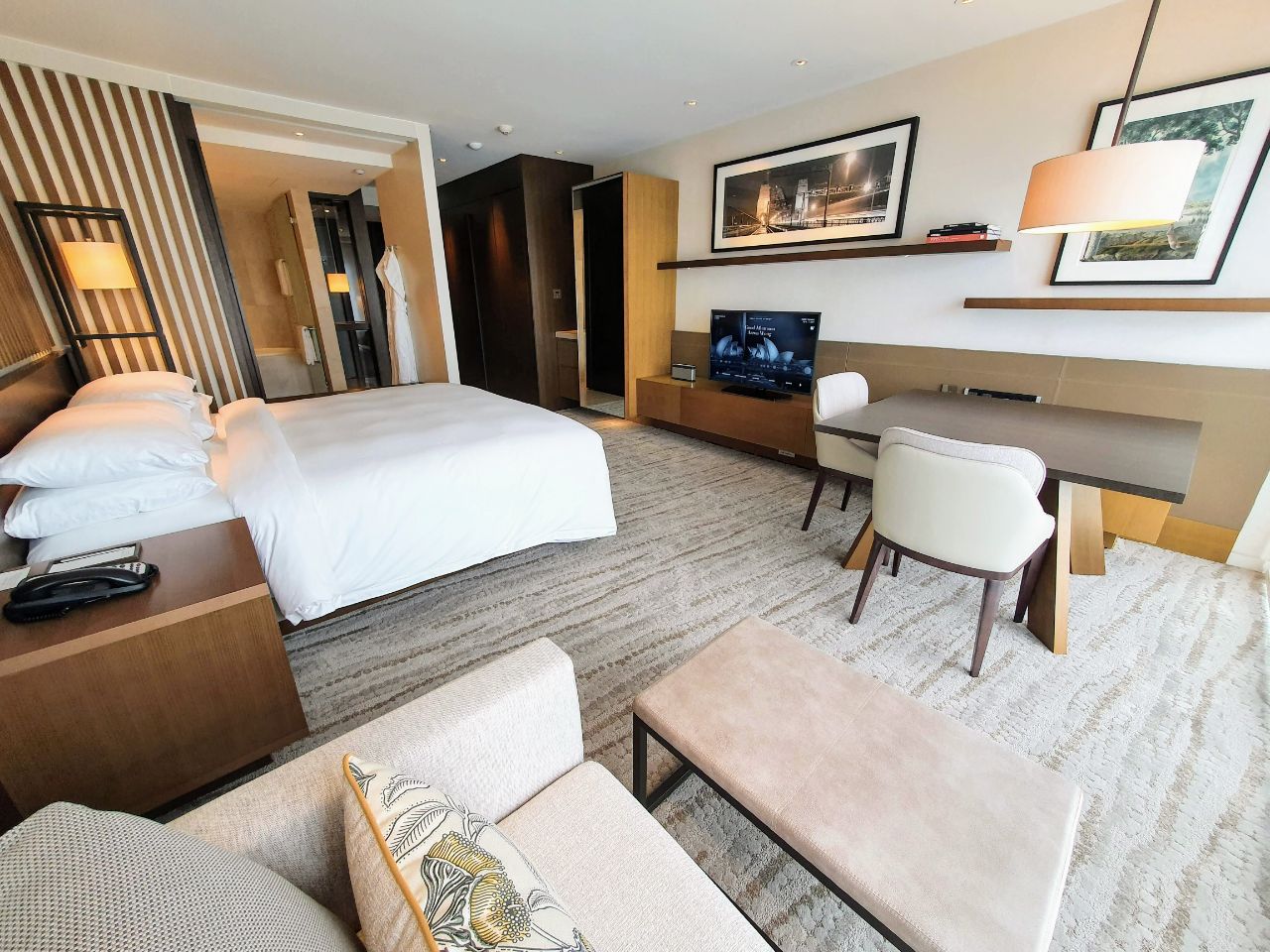
For my trip to Sydney in August, I decided to revisit the Park Hyatt Sydney, and burn a big stash of points ahead of the 20 May devaluation (the cap on award nights has now increased from 45,000 points to 75,000 points!).
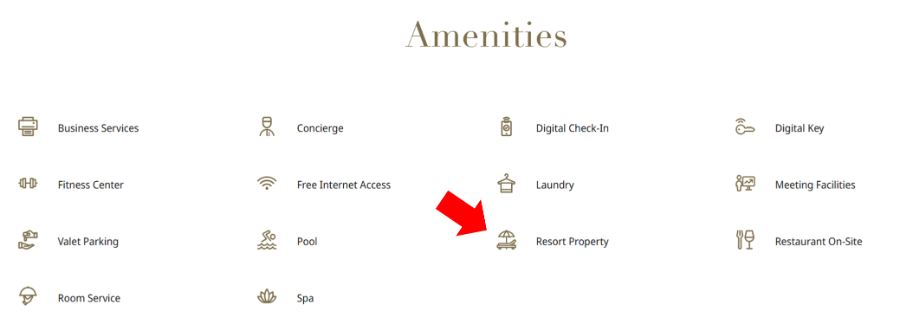
However, when browsing the reviews on FlyerTalk, I noticed recent visitors complaining that this property was denying Globalists their 4 p.m check-out benefit, on the grounds that it was now a resort. Indeed, the website now reflects this change too.
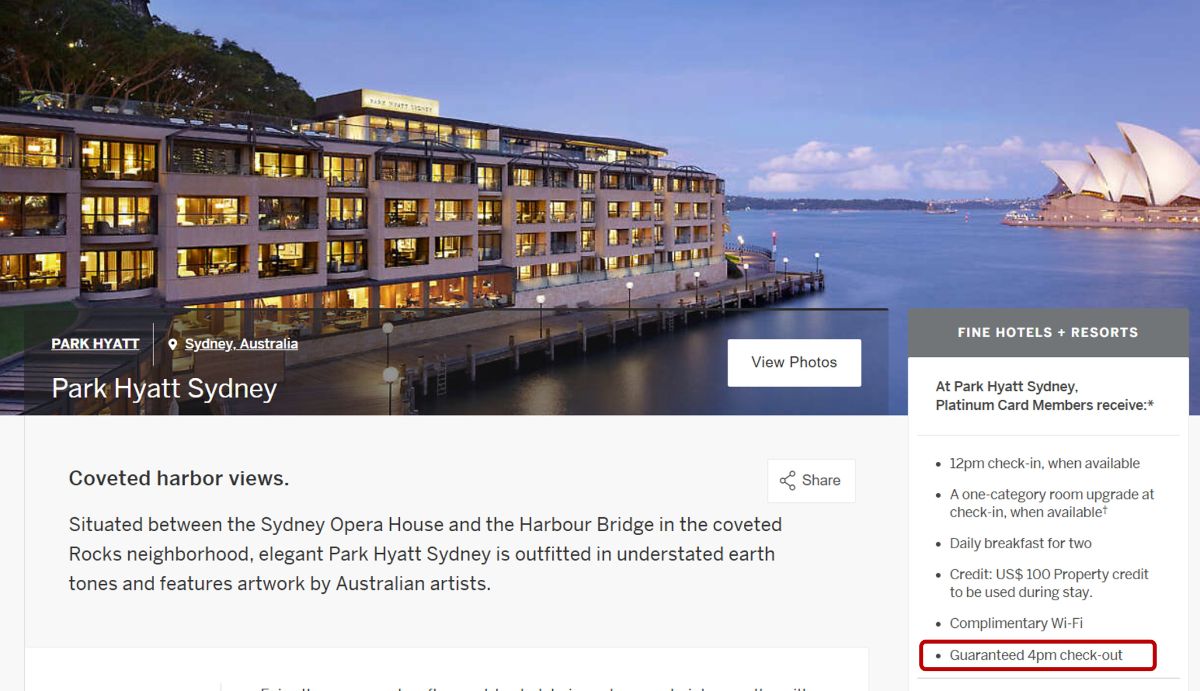
As it stands, the only way of getting guaranteed 4 p.m check-out at the Park Hyatt Sydney is to book it through the American Express Fine Hotels & Resorts programme. Ironically, even Prive, Hyatt’s own luxury agent channel, does not offer guaranteed late check-out!
Why become a resort?
The only plausible reason I can think of for a hotel to reclassify itself as a resort is to sidestep the guaranteed 4 pm late check-out benefit for Globalist members.
I know that many hotels have been trying to market themselves as “urban resorts”, but that term is so nebulously defined it’s almost meaningless. Is a swimming pool enough? A spa? Just what is a resort anyway?
Most people would associate the term with beachfront or ski destinations, often with full-board options. But my two cents is that a resort is better defined not by its location, but rather by how self-contained the experience is. Typically, that would include:
- Multiple restaurants and bars
- Several pools and comprehensive recreational facilities (gym, kids’ club, tennis courts, water sports etc.)
- A spa with dedicated facilities (not just in-room treatments) including a sauna and whirlpool
- Regular on-site entertainment and programming throughout the day.
To put it another way, a hotel is somewhere you stay while exploring elsewhere. A resort is a destination in itself.
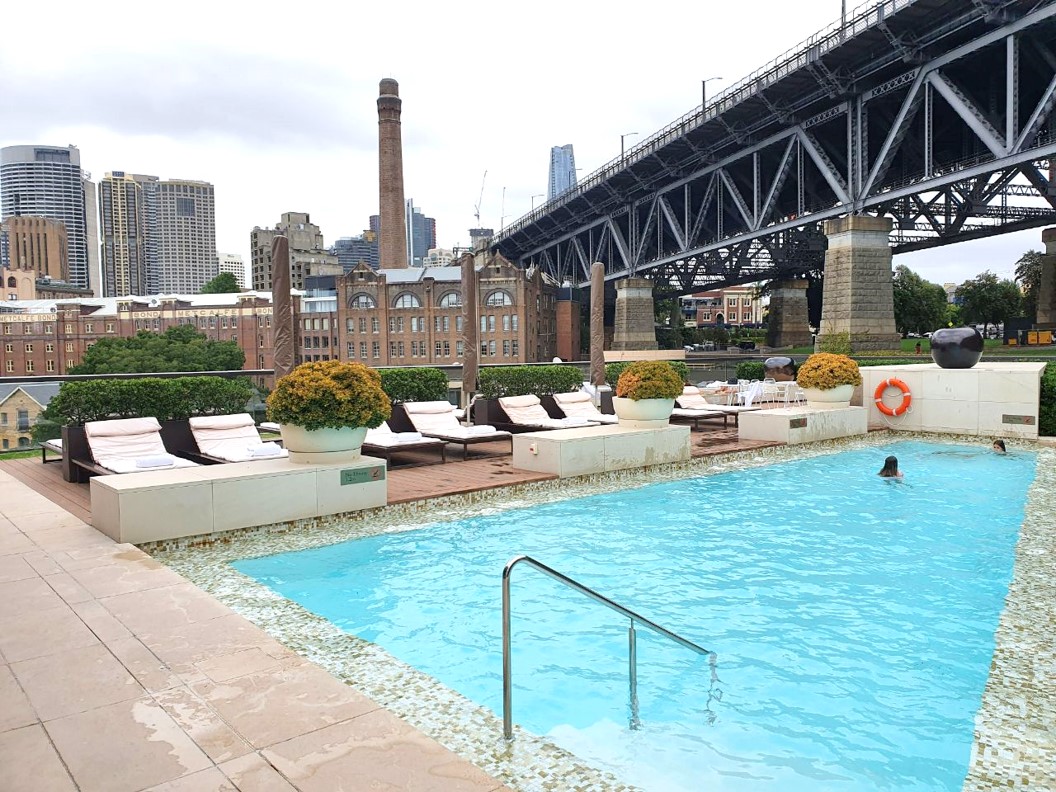
No disrespect to the Park Hyatt Sydney, but it hardly meets that definition. Its pool, gym and spa are all on the small side, it basically has one bar, one all-day dining venue and one fine-dining restaurant, and there’s no programming to speak of (the weekly walking tour of The Rocks was discontinued some time back). You know, I’d even say there’s a stronger case for the Park Hyatt Tokyo to call itself a resort, given how much more extensive its pool, spa and gym facilities are compared to the one in Sydney.
Therefore, it takes a whole lot of mental gymnastics to see a property like the Park Hyatt Sydney as a resort. Incidentally, this is the only resort that World of Hyatt has in all of Australia, Fiji and New Zealand, which given how many actual beachfront properties there are, is something of an accomplishment!
I realise that guaranteed 4 p.m check-out is a tough benefit for hotels to offer, especially if it’s a popular staycation destination with a high proportion of single-night stays. But those are simply the rules of the programme the property has decided to participate in. You can’t have your cake and eat it — benefitting from the distribution network and visibility of a major chain, while refusing to honour the associated benefits (well, not unless you’re the Ritz-Carlton Millenia Singapore).
Moreover, it seems this problem would be more acute at “true” resort properties, where guests tend to arrive and depart in batches (e.g. via speedboat or seaplane in the Maldives). Guests arrive and depart from Sydney at all hours of the day, so (a) not every incoming guest will arrive at the standard check-in time, and (b) not every Globalist will be in a position to utilise a 4 p.m check-out anyway.
What other city hotels are now resorts?
Unfortunately, the Park Hyatt Sydney is far from the only urban property which woke up one day and felt resort-y.
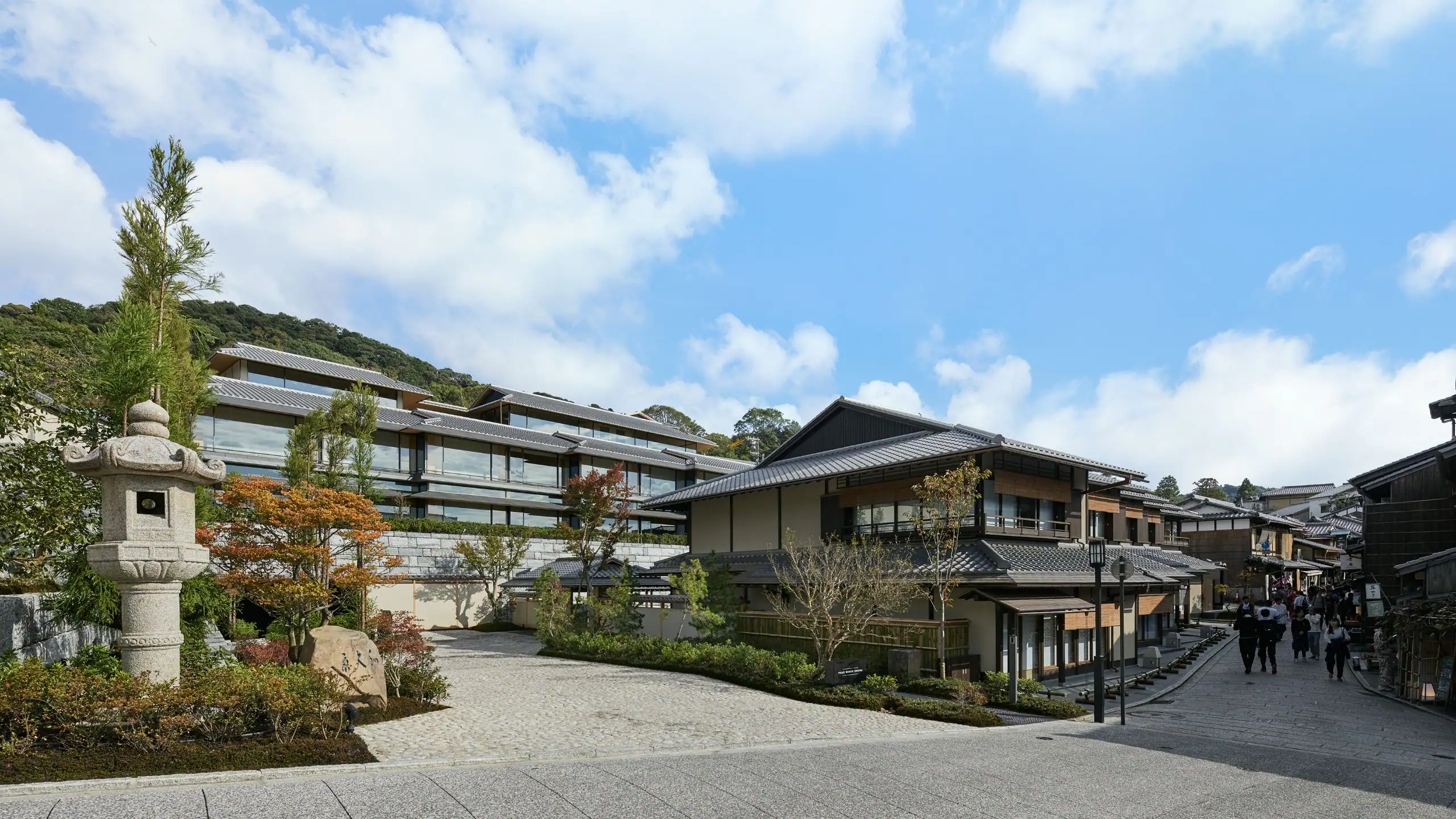
Apart from the Park Hyatt Tokyo’s recent reflag, the Park Hyatt Kyoto has had this designation for several years now, as does the Hyatt Regency Kyoto (which will anyways be closing in May 2027).
I also spotted that the Park Hyatt Siem Reap — in the heart of the city — is now a resort, though I can’t be certain if that’s a recent change or whether that was always the case. The same goes for the Hyatt Regency Yogyakarta.
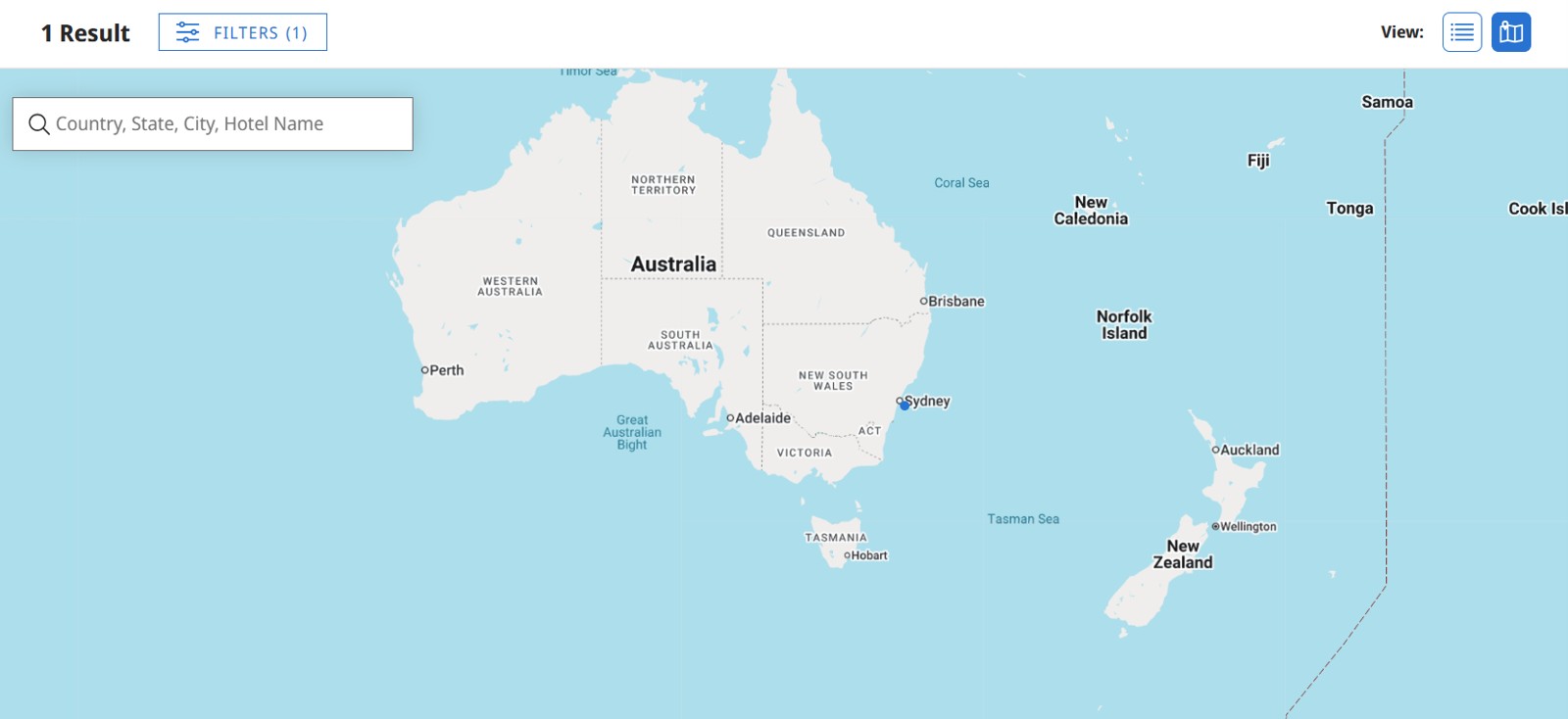
If you want to see the list for yourself, Hyatt’s website has a map tool to help you filter out resort properties.
Conclusion
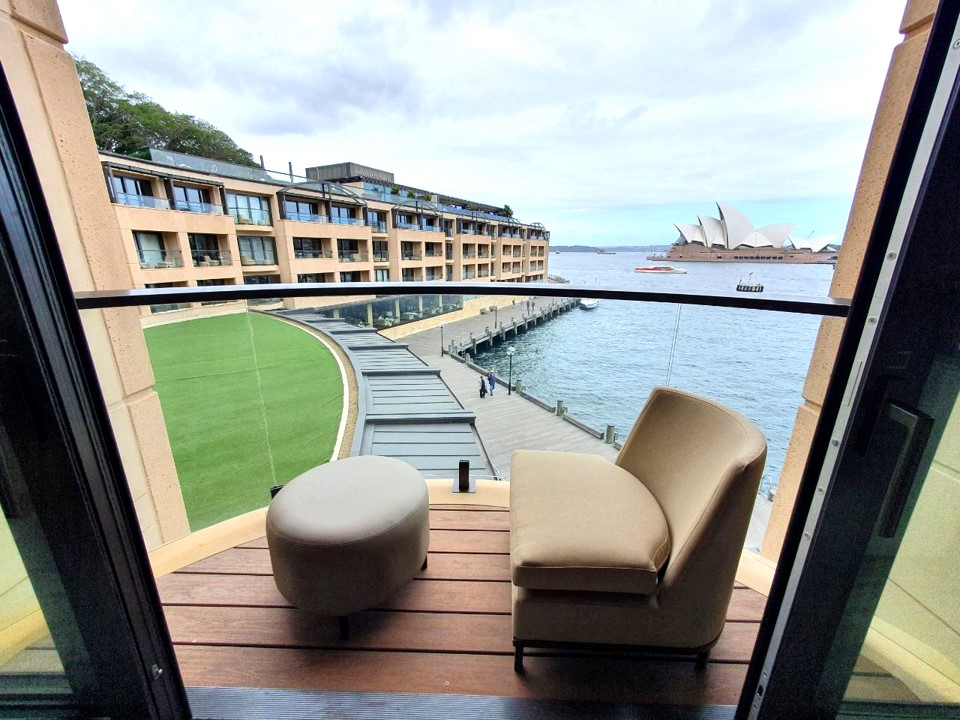
The Park Hyatt Sydney has become the latest Hyatt tentpole property to declare itself a resort, thereby exempting itself from the Globalist 4 p.m check-out.
As far as I can tell, there has been no substantive change to the property’s offerings or facilities. This is purely a paper exercise, which nonetheless has real-world implications for Globalist members and those staying on Guest of Honor certificates.
If hotels are going to play games with classifications, then my hope is that World of Hyatt introduces a separate set of elite benefits that resort properties are expected to provide, rather than creating what’s effectively a costless workaround.
Besides, if “resort” now means nothing more than “expensive city hotel”, then I’m deeply suspicious that the Park Hyatt Paris might be the next to try their luck…

vote with your pocket. So stop going there
Support Singapore companies: Capella Sydney
[…] The MileLion flags how the Park Hyatt Sydney has recently made a subtle change — as of May 2026, the property is being categorized as a resort, rather than as a hotel. This is even reflected on the hotel’s website — under the “Amenities” section, you’ll now see “Resort Property” listed as one of the features. […]