
There’s an episode of Harley Quinn where the Joker, upon discovering Batman’s true identity as Bruce Wayne, fumes “Wayne Tech promised an electric car by this year. I put a deposit down. Where’s my *expletive* electric car, Bruce?!“

I imagine Tim Clark feels much the same this morning, following Boeing’s announcement of yet another delay to the troubled Boeing 777X programme.
At the 2023 Dubai Airshow, the Emirates CEO had expressed hope of receiving his first Boeing 777-9 between July and October 2025. Fast forward to today, and Boeing does not expect a first delivery until 2027 at the earliest.
While it remains an engineering marvel — and the largest passenger aircraft to be built since the Airbus A380 — the Boeing 777X has been beset by a litany of delays that now have it running seven years behind its originally-planned commercial introduction in 2020.
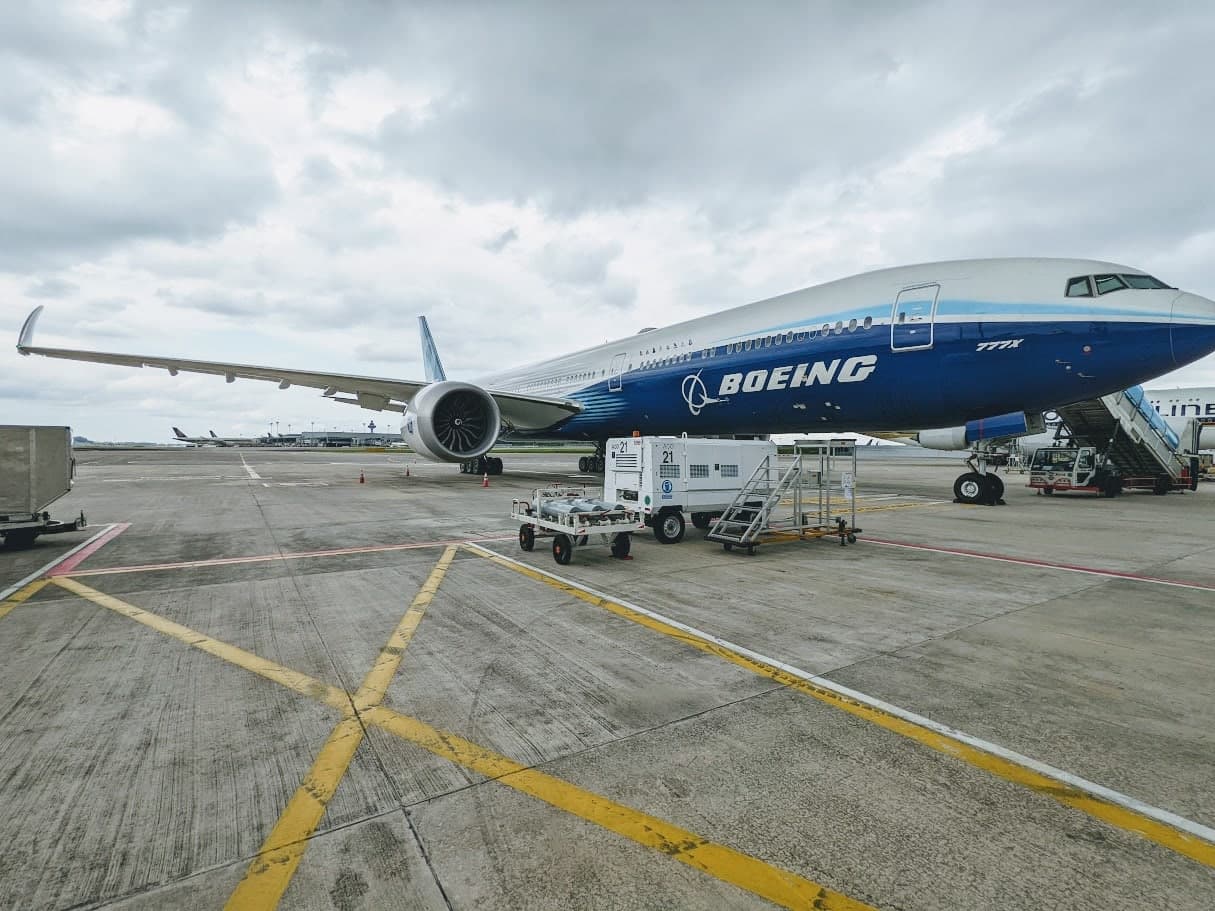
With so many airlines banking on this aircraft for their long-term capacity expansion and fleet renewal, it’s safe to say there won’t be many Christmas cards exchanged this year.
Boeing 777X deliveries delayed till at least 2027
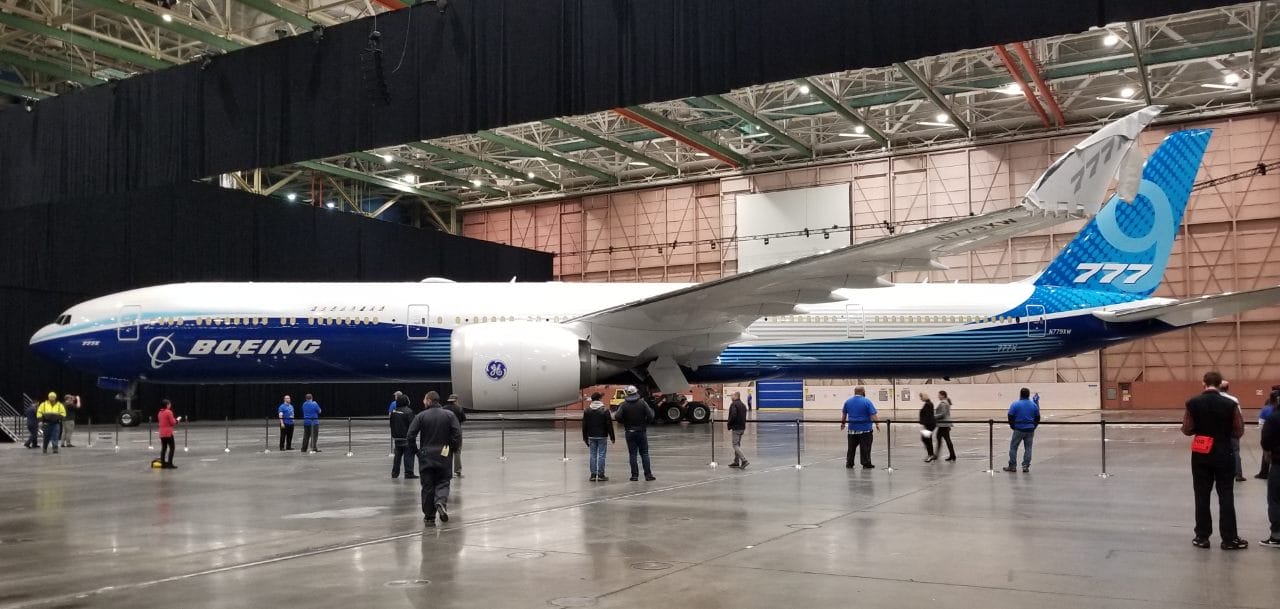
In a statement accompanying its third quarter results, Boeing has announced that it expects the first delivery of a Boeing 777-9 to take place no earlier than 2027.
During the quarter, the company updated its assessment of the 777-9 certification timeline and now anticipates first delivery in 2027, resulting in a pre-tax earnings charge of $4.9 billion.
-Boeing
This shouldn’t come as a surprise to anyone who has been following the Boeing 777X’s absolutely torrid certification process, with the FAA at one point rebuking the manufacturer that its proposed certification schedule was “outdated and no longer reflect(s) the programme activities”.
The aircraft has faced multiple setbacks involving its engines and fuselage, as well as an “uncommanded pitch event” that surely set off alarm bells at an FAA trying to rebuild its reputation following the B737 MAX fiasco. That’s not to mention Boeing’s well-publicised labour problems, with workers walking out after contract talks broke down.
Although Boeing finally secured the crucial Type Inspection Authorisation (TIA) in July 2024, that milestone was quickly overshadowed when the entire test fleet was grounded after a routine post-flight inspection revealed the failure of a thrust link that mounts the engine to the aircraft. It took more than five months to rectify the issue, with test flights only resuming in January 2025.
The Boeing 777X is now facing the very real prospect of a development and certification timeline of close to 14 years, roughly double the time taken for Airbus to bring the A380 to market— and it’s not like that programme was smooth sailing either.
At the time of writing, Boeing has more than 500 orders for the Boeing 777X from major carriers including Cathay Pacific, Emirates, Lufthansa, Qatar Airways and of course, Singapore Airlines.
| Airline | B777-8 | B777-9 |
| Air India | 10 | |
| ANA | 18 | |
| British Airways | 24 | |
| Cathay Pacific | 35 | |
| China Airlines | 10 | |
| Emirates | 35 | 170 |
| Etihad Airways | 8 | 17 |
| Ethiopian Airlines | 8 | |
| Korean Air | 40 | |
| Lufthansa | 20 | |
| Qatar Airways | 90 | |
| Singapore Airlines | 31 | |
| Total | 43 | 473 |
How will this impact Singapore Airlines?
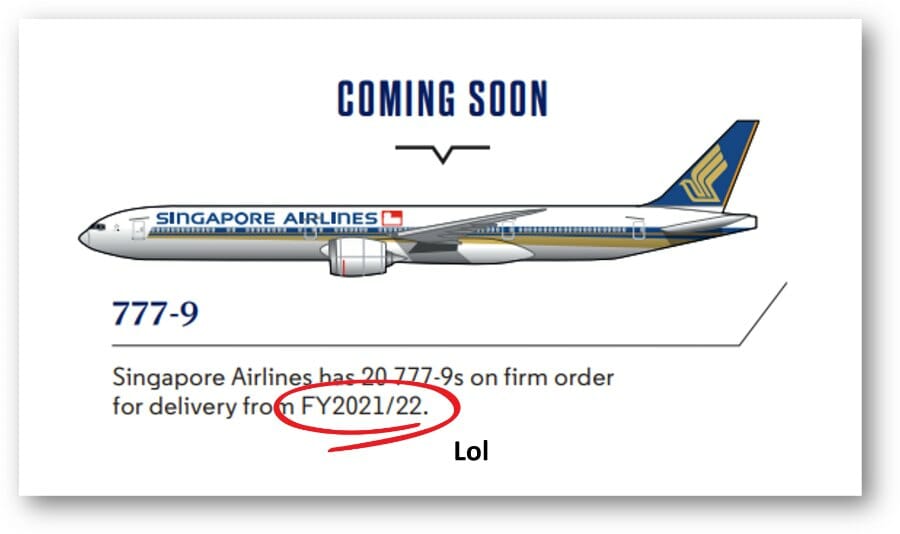
Singapore Airlines has a total of 31 Boeing 777-9s on order, and was expecting to take delivery of its first in FY2021/22. Needless to say, that hasn’t gone according to plan.
This aircraft is meant to replace the ageing Boeing 777-300ERs, which have now had to fly well past their originally-intended retirement age. 9V-SWB turns 19 this year, a veritable Methuselah for an airline that has historically prided itself on operating a young fleet.
The cascading delays are also why we’re seeing the longest-ever gap between the introduction of a new long-haul Business Class seat since the turn of the century.
| 💺 SIA Long-haul Business Class Seats | |
| Year of Introduction | Seat |
| 1998 | 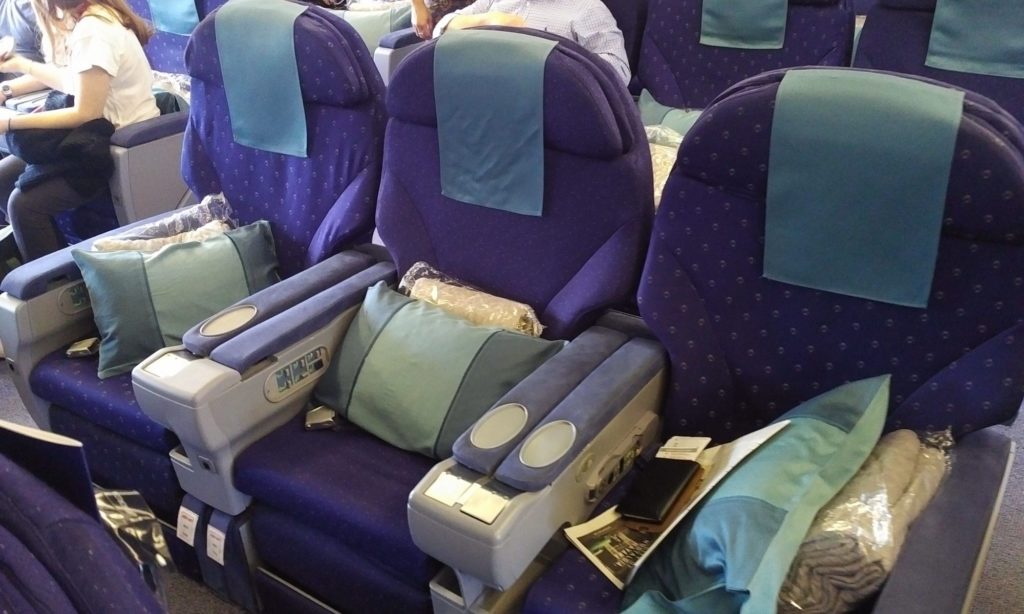 Ultimo Ultimo |
| 2002 (+4 years) |
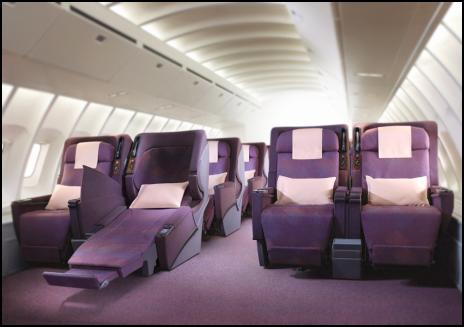 Spacebed Spacebed |
| 2006 (+4 years) |
 2006J 2006J |
| 2013 (+7 years) |
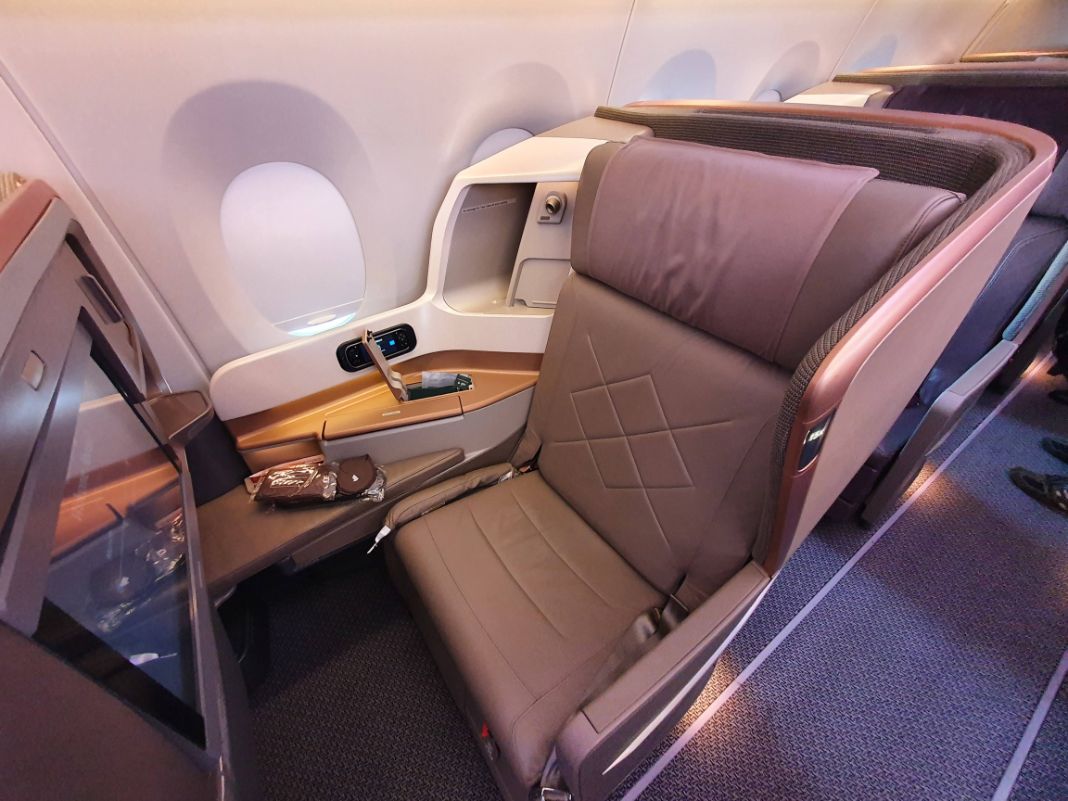 2013J 2013J |
| 2017 (+4 years) |
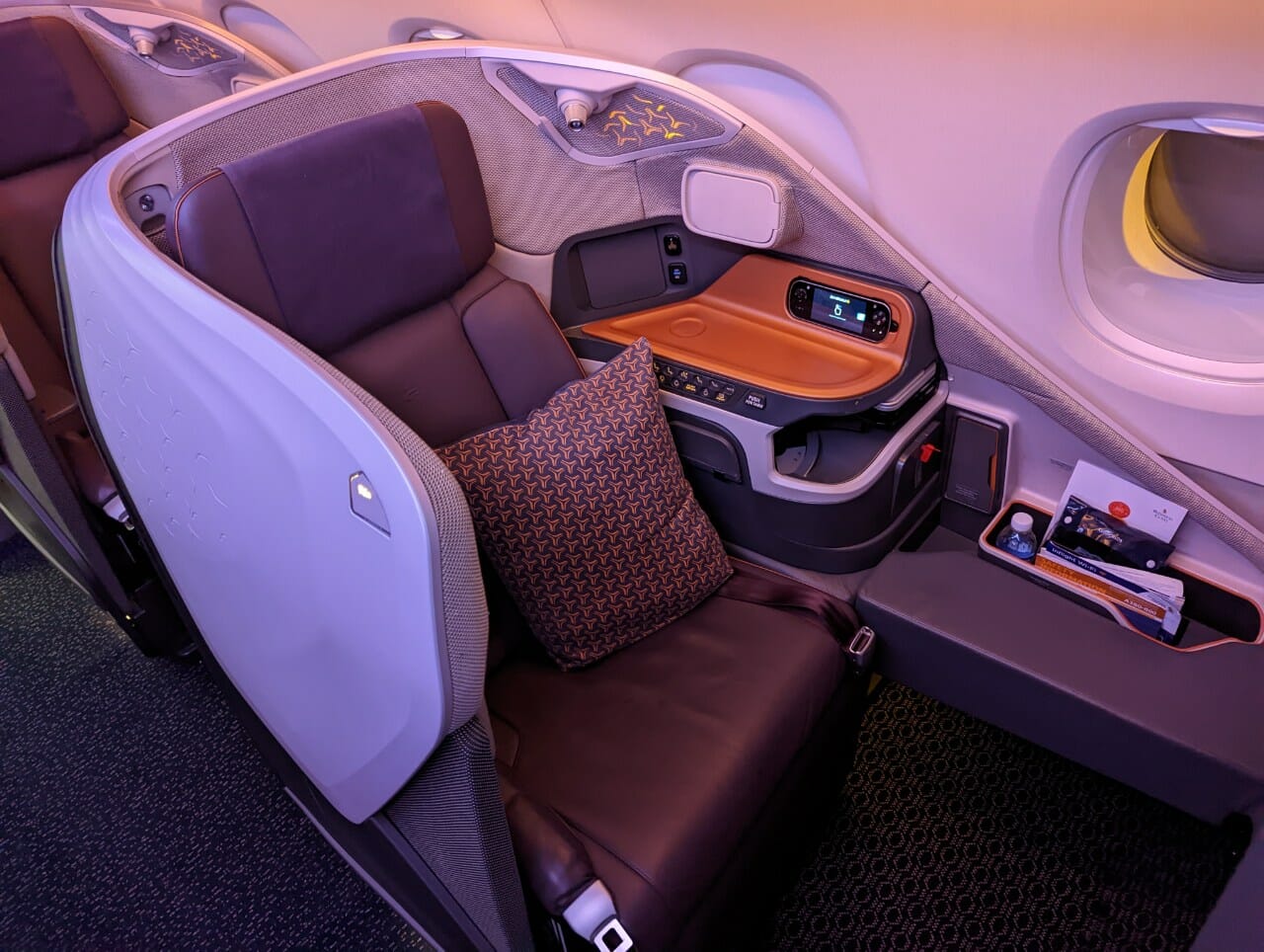 2017J 2017J |
| 2026 (+9 years) |
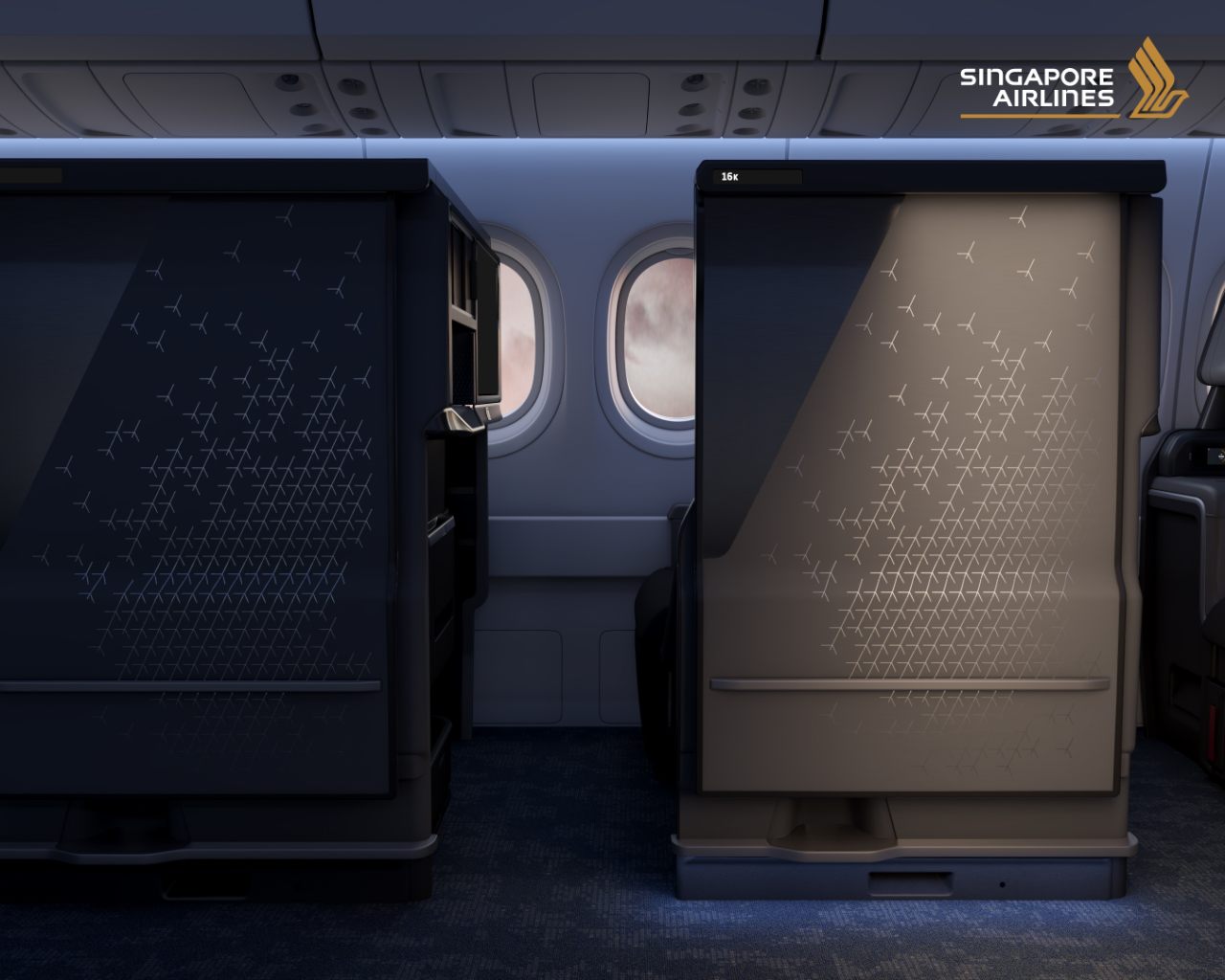 2026J 2026J |
| SIA launched a new Business Class seat in 2021, but this is a regional product that will only feature on the B737 Max 8 | |
With the 2017J essentially a niche product that is only available on the Airbus A380s, the backbone of Singapore Airlines’ long-haul fleet is the 2013J seat, which has long been outstripped by other carriers offering privacy doors, 4K screens, Bluetooth audio connectivity, USB-C and wireless charging.
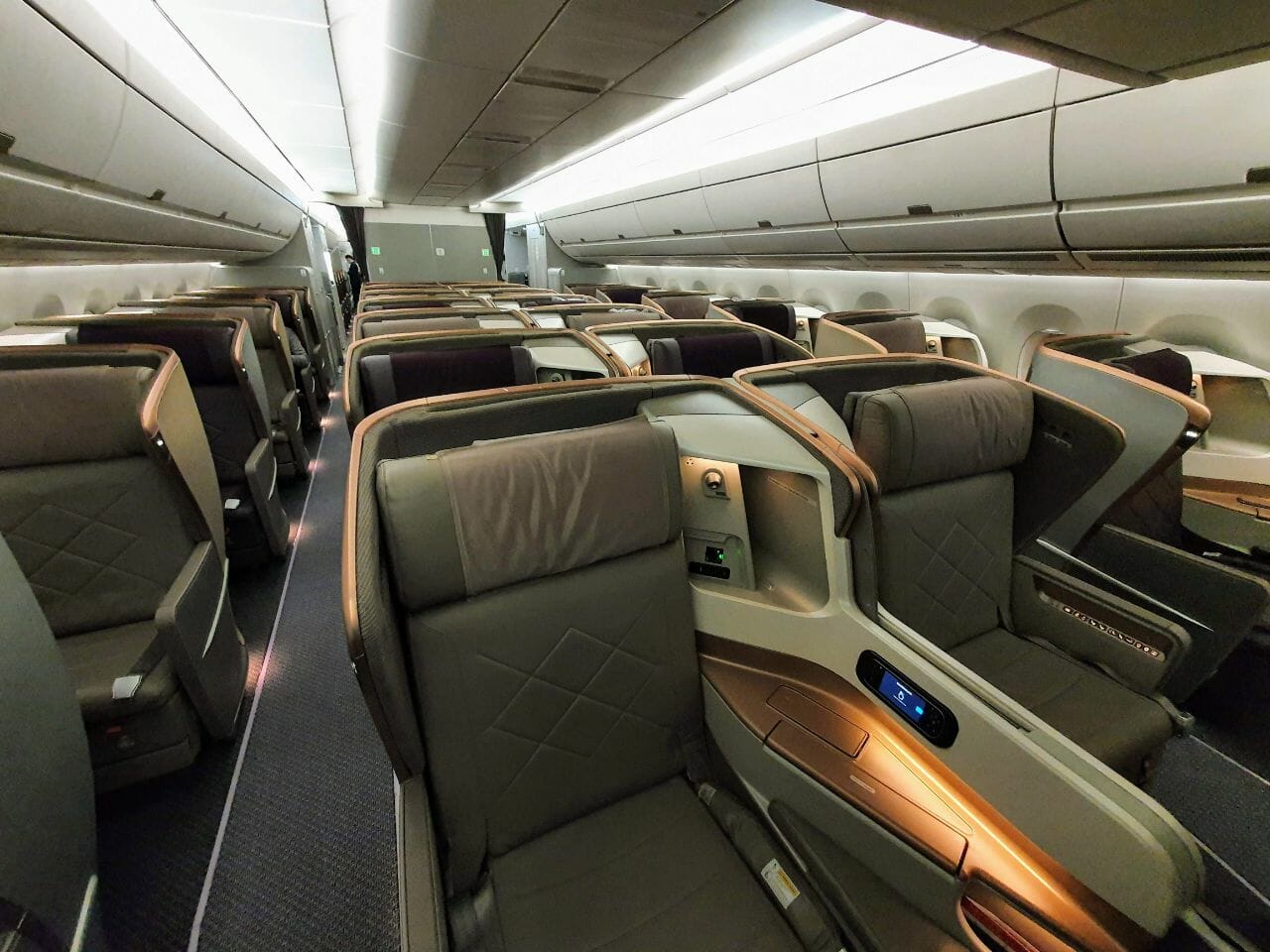
At long last — and perhaps having waited longer for the Boeing 777-9 than it really should — Singapore Airlines bit the bullet and announced in November 2024 that its next-generation Business Class seat would debut on retrofitted Airbus A350-900 aircraft in Q2 2026 instead.
Singapore Airlines to retrofit Airbus A350-900s with new First and Business Class seats
I’ve already covered the new features I’d like to see in the next-generation Business Class seat, and what we know from the teasers so far, so have a read if you’d like to daydream with me.
My wishlist for the new Singapore Airlines Business Class seats
Singapore Airlines all-new Business Class: What the teasers tell us
With Singapore Airlines’ next-generation First Class seat also slated for a Q1 2027 launch, it looks almost certain that we will see this debut on a retrofitted Airbus A350-900ULR instead of a Boeing 777-9 as well.
Mind you, Singapore Airlines is not the only carrier betting on the Boeing 777-9:
- Cathay Pacific was planning to introduce its new First and Business Class on the B777X, but delays have forced it to debut the new Aria Suites Business Class on the B777-300ER instead (the new Halo Suites First Class is still planned for a B777X debut)
- Emirates will install its latest First Class on the B777X, which is currently only available on a handful of B777-300ERs
- Qatar Airways is planning to launch a new First Class and updated Qsuites Business Class on the B777X
- Lufthansa was planning to debut its new Allegris First and Business Class on the B777X, but has now installed it on the A350s and B787s first
Boeing 777X: A primer
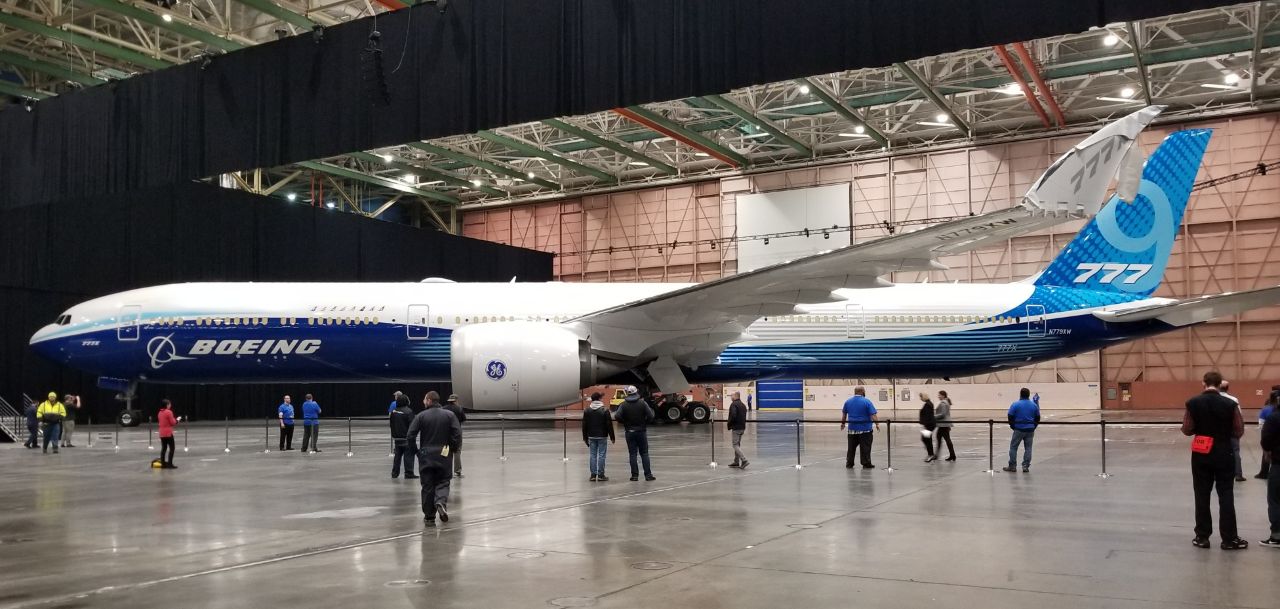
The Boeing 777X is the newest version of the 777, and the largest twin-engined passenger jet ever built, carrying up to 426 passengers in a hypothetical two-class configuration. With giant quadjets like the A380-800 and B747-8 falling out of favour, the B777X will likely be the largest passenger aircraft we see produced in time to come.
From a design perspective, the B777X is a curious beast. Boeing has retained the original aluminium fuselage of the B777, eschewing the lighter composite structure used on the B787 and A350. This means more weight, but is offset by the new engines and wing design.
Wing design? Yes- you can’t talk about the B777X without talking about its unique folding carbon composite wingtips, a first among commercial aircraft.
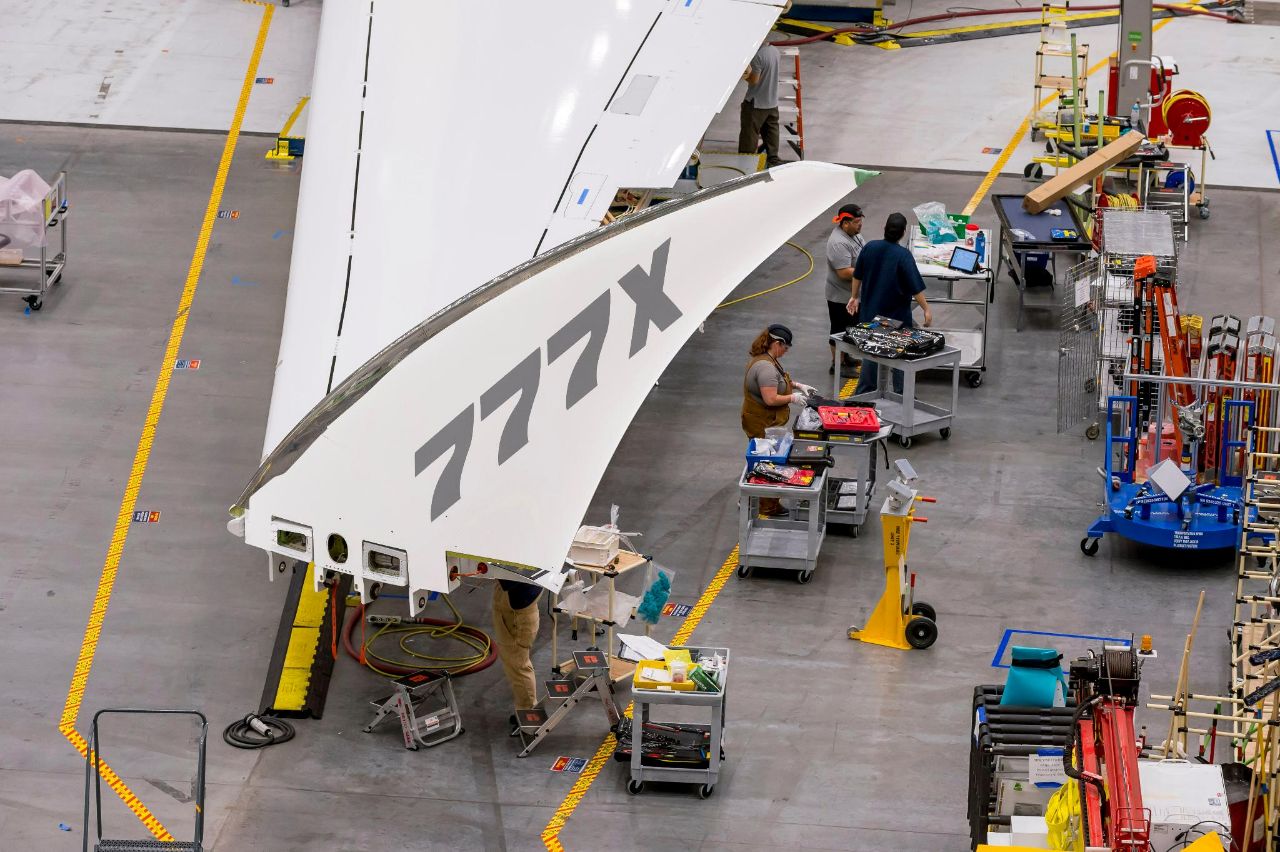
This allows the B777X to have the best of both worlds: longer wings enable more efficient flying, but when folded on the ground make the B777X no wider than the current B777, allowing airports to accommodate it without building special gates (as they had to for the A380).
The engines are a technological marvel too. General Electric designed the new GE9X specifically for the B777X, with each engine offering 134,300 pounds of thrust, a world record for a commercial engine. That’s more thrust than Alan Shepard had at his disposal when he became the first American in space in 1961!
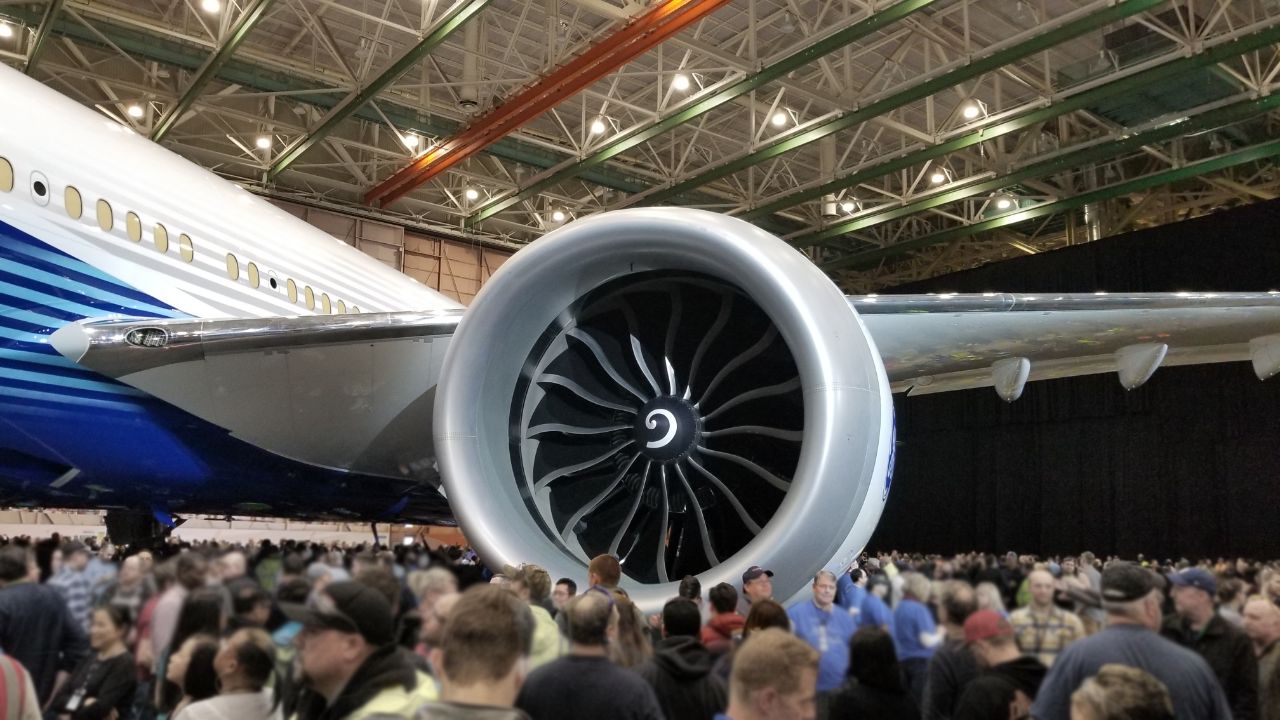
Despite its size, the GE9X is also extremely efficient. Boeing claims that the B777-9 will offer up to 11% lower operating costs than the A350-1000, though those claims can only really be verified once it enters service.
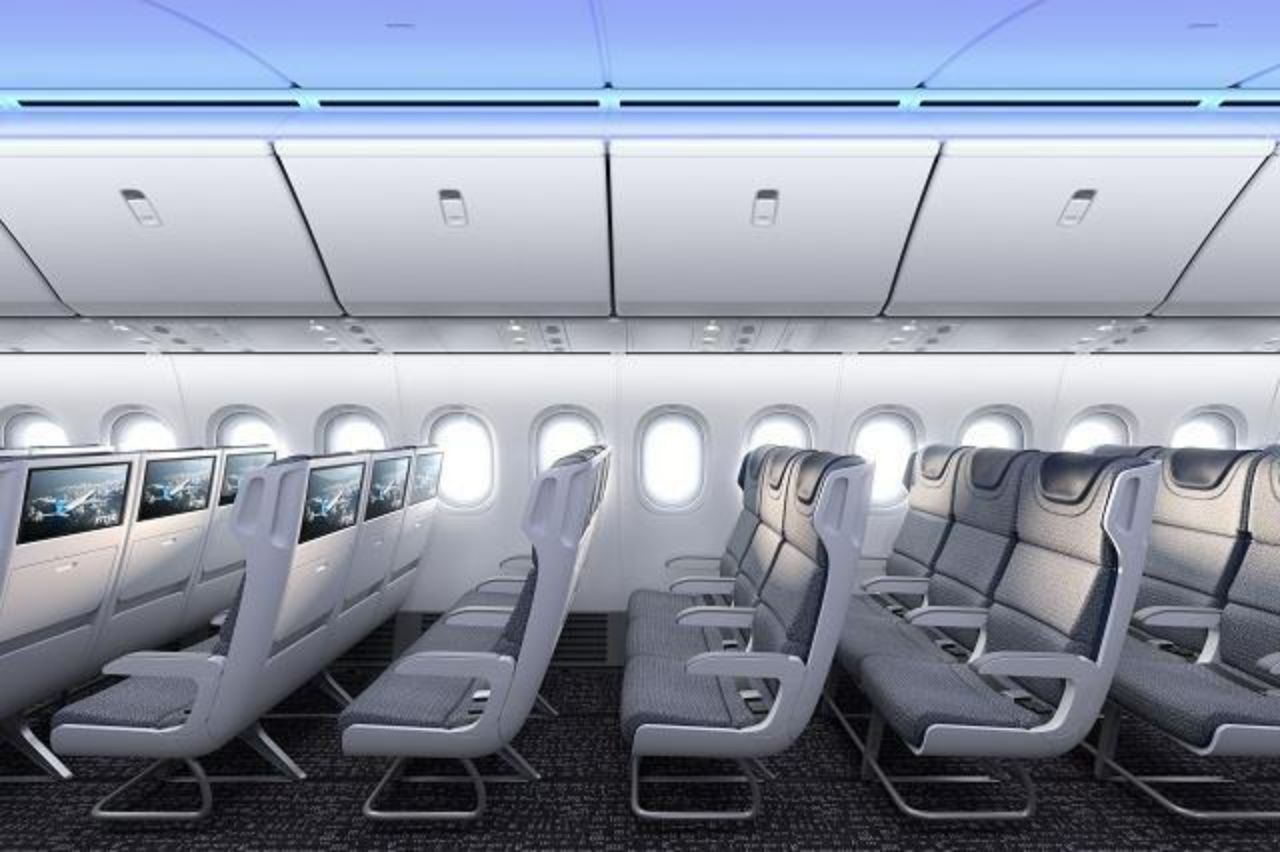
The cabin is four inches wider than the B777, thanks to thinner walls and more efficient insulation. The extra width will not allow existing 10-abreast airlines to add an additional seat, but every inch matters for passenger comfort in Economy and Premium Economy.
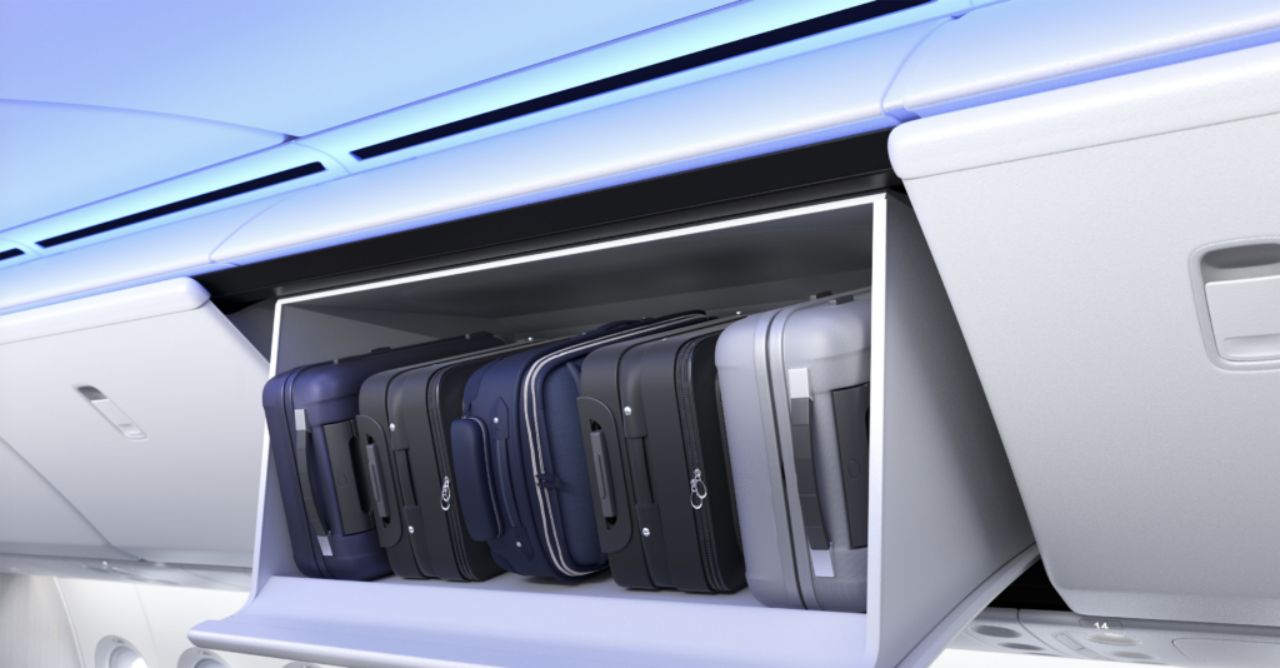
Passengers will enjoy larger overhead bins that allow luggage to be stacked sideways, increasing usable space.
In other quality-of-life improvements, windows will be 16% larger than the B777, using an improved version of the electronic dimmer technology found on the B787 that can block 99.999% of visible light while dimming twice as fast. Electric current is passed through a gel-like substance to control opacity, allowing for shadeless operation.
The B777X’s cabin will also be pressurized to 6,000 feet (instead of the typical 8,000 feet), which means denser air that’s easier to breathe and fewer jetlag effects.
Boeing originally planned to create three variants of the 777X, each designed to counter a specific member of the A350 family.
- The B777-8 would replace the B777-200ER, and compete with the A350-900
- The B777-8LR would replace the B777-200LR, and compete with the A350-900ULR
- The B777-9 would replace the B777-300ER, and compete with the A350-1000
However, it eventually settled on just the -8 and -9, scrapping plans for the -8LR.
| B777-8 | B777-9 | |
| Typical Seat Count (2-class) | 384 pax | 426 pax |
| Range | 16,170 km | 13,500 km |
| Wingspan | 64.82m / 71.75m (on ground/ extended) | |
| Length | 69.79m | 76.72m |
| Height | 19.49m | 19.53m |
| List Price | US$410.2M | US$442.2M |
The B777X programme officially launched at the 2013 Dubai Airshow with 259 orders totalling US$95 billion at list prices, the largest commercial aircraft launch by dollar value.
The B777-9 will be the first to fly, with five prototypes produced to date:
| Reg. No | First Flight | Testing |
| N779XW | 25 Jan 20 |
|
| N779XX | 30 Apr 20 |
|
| N779XY | 2 Aug 20 |
|
| N779XZ | 20 Sep 20 |
|
| N2007L | 5 Aug 25 |
|
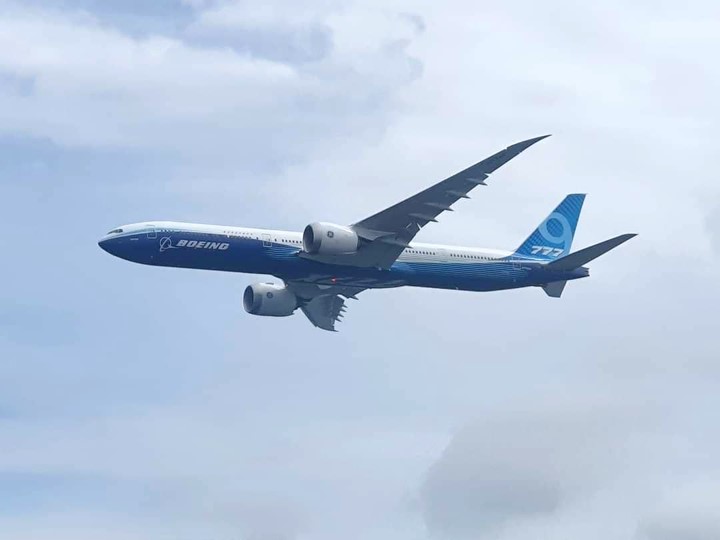
N779XW was in Singapore for the 2022 Singapore Air Show, where I had the opportunity to tour it and see firsthand the work that Boeing is putting into its new flagship aircraft.
Conclusion
Boeing has confirmed that the first deliveries of the Boeing 777-9 will be delayed until 2027, putting the beleaguered programme a whopping seven years behind schedule, and creating even more headaches for Singapore Airlines and many other carriers.
With Singapore Airlines not even the launch customer (that honour goes to Lufthansa), it could be even longer before we see the first aircraft in its fleet. Thankfully, we won’t have to wait that long to see its next generation First and Business Class products, with the airline deciding to debut them on retrofitted Airbus A350-900s instead.
What do you make of the latest delay to the Boeing 777X programme?

when bean counters run the company…
Just hope can start enjoying the new business class next year onwards on A350s
is there compensation worked into the agreement with Boeing for the late deliveries? I bet, no- cos in general Singapore firms negotiate rather poorly on terms in the aviation sector
My dad who used to work for SIAEC long warned of the issues plaguing Boeing as far back as 2002
It’s too late to cancel now, but I honestly hope that many airlines will reduce their order book with Boeing going forward after this sh*t-show. Unfortunately they only have one viable alternative in the wide-body market right now, but perhaps Embraer can see this as an opportunity to slow step up its game on that front. And of course there is the Chinese route, too, though I do foresee significant challenges for that to take up a lot of order slack from established airlines. Mind you, I would probably trust the Chinese government more to hold the reigns tight over… Read more »
I think given the political situation however, making deals with boeing might become an important bargaining chip for broader discusssions
You referring to the same Chinese government known for covering up food safety scandals. covering up Peng Shuai’s sexual assault allegations (and getting Lianhe Zaobao to assist) and trying (unsuccessfully) to cover up the initial extent of the COVID outbreak? Bro. They are just the opposite side of the same coin.
We’re talking about long range widebody aircraft here, which will take tens of billions of dollars as well as years of designing, building, testing and certification for both Embraer and Comac before any dreams of competing with the duopoly come to fruition. And that’s just for the frame. They’ll also need to find partners for engines, avionics, software etc, all of which come from countries that are not inclined to help them become their competition, or go it alone. For perspective, the Comac 919 started development in 2008 and only flew commercially in 2023. So far, it is only certified… Read more »
I wonder if the contracts the airlines have with Boeing provide for compensation or termination without penalty for all these delays.
There has to be a clause in the deal that allows airlines to back out of a deal if delivery deadlines are not met. What then is stopping the airlines from cancelling or reducing their orders and booking the A350-1000 instead?