
If you recently flew on a transpacific flight and planned to work or otherwise stay connected, you may have noticed that the Wi-Fi experience was less than ideal, to put it mildly.
It appears that Panasonic is experiencing issues with its satellite network over this region, which affects Singapore Airlines, United, ANA, and other carriers relying on its system.
I recently took two transpacific flights, and had very different experiences…
Panasonic Wi-Fi issues on transpacific flights
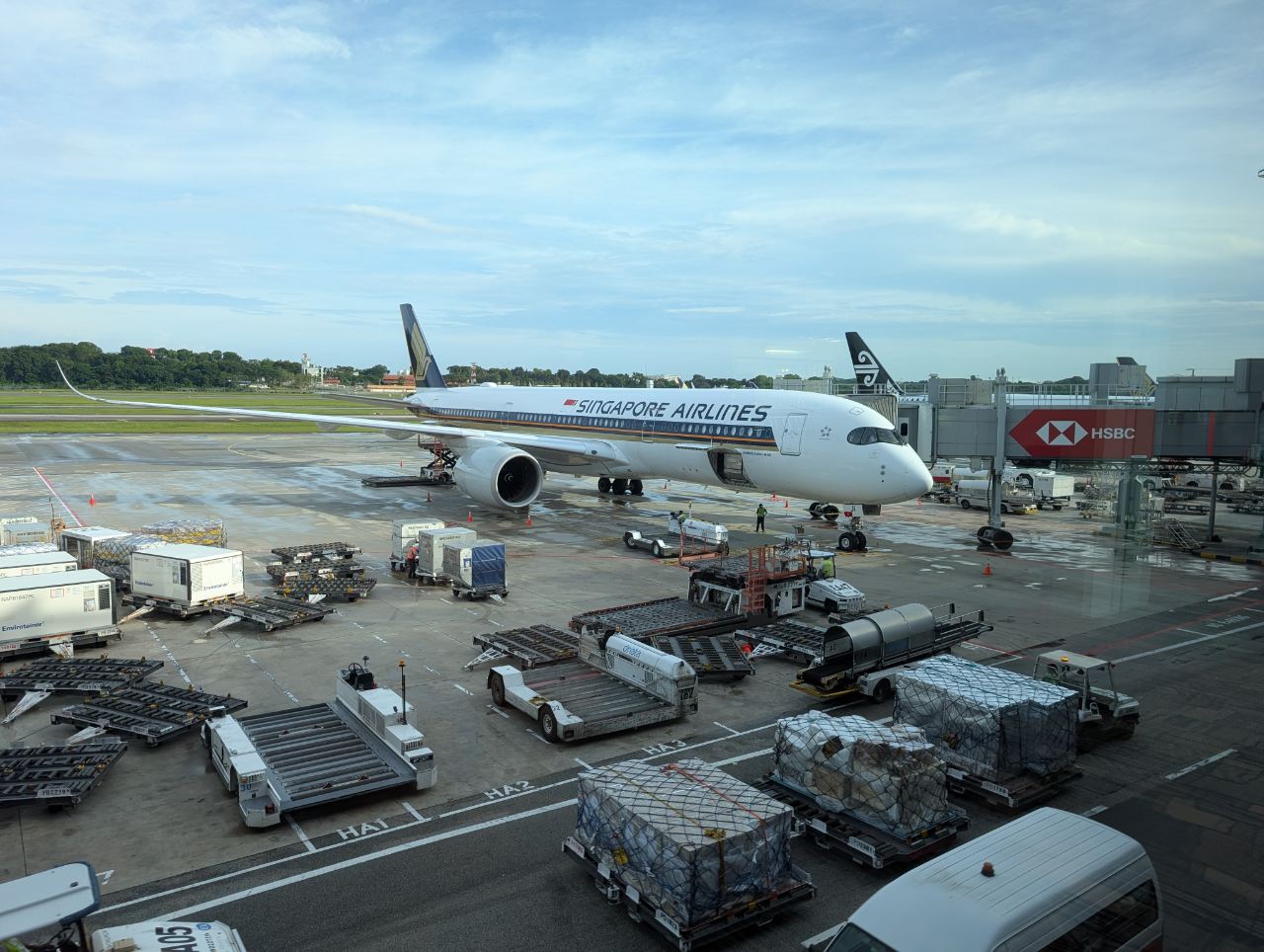
On 7 June, I flew on the SQ28 non-stop service from Singapore to Seattle. As usual, I got online immediately after take-off, and for the initial part of the flight, the Wi-Fi worked fine. It wasn’t particularly fast, but it was adequate for basic use.
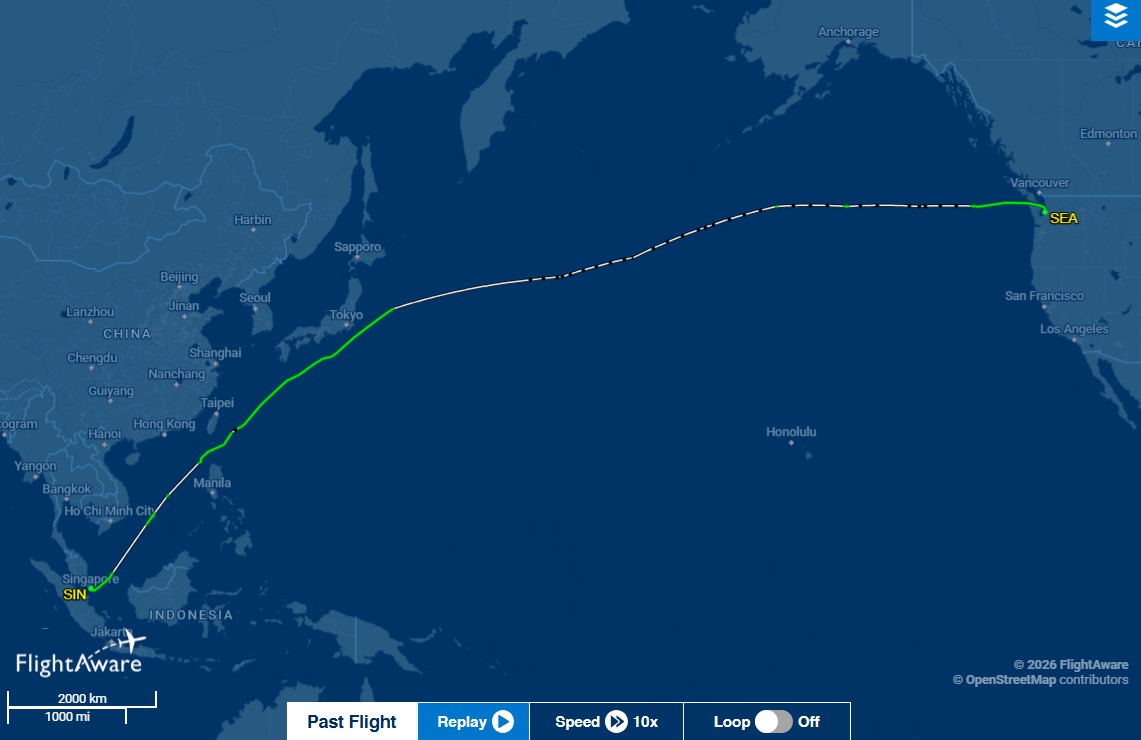
However, as soon as we crossed Japan, the service deteriorated drastically.
The annoying thing is that the Wi-Fi retained just a tinge of usability. Every now and then, a couple of WhatsApp messages would leak through, giving me hope of restoration. But any kind of web browsing was out of the question, and it remained that way until landing.
This doesn’t appear to be a particularly new development. Last month, I read a report on OMAAT that United Airlines was seeing a spike in complaints about its transpacific Wi-Fi service. The article quotes a memo to pilots saying that the Panasonic system was “basically saturated at certain times of a day, specifically over the Pacific, but over many places as well”.
100% unconfirmed:
“Memo came out a week ago to pilots that that satellite provider on the 787 was basically saturated at certain times of a day, specifically over the pacific, but over many places as well. Not specifically a UA problem, but saturated user-base. Could be more to…
— JonNYC (@xJonNYC) April 15, 2026
In other words, it’s not just a Singapore Airlines problem. Any airline using Panasonic connectivity for transpacific flights will be affected — a list that also includes ANA and EVA Air. You can read more complaints on the Singapore Airlines (#1, #2) and United (#1, #2) Reddits.
I reached out to Singapore Airlines to ask if they were aware of the issue, and received the following response.
| 💬 Statement from SIA Spokesperson |
|
SIA says that the situation has “since stabilised”, and I was able to put that claim to the test on the return flight on 21 June, on SQ27 from Seattle to Singapore.
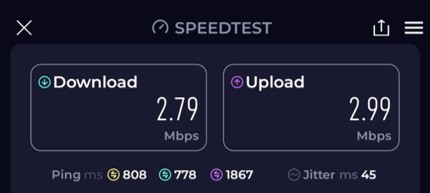
This time round, the Wi-Fi was significantly more reliable. There was even a brief period just after take-off where I was getting 37 Mbps download speeds, though that rapidly deteriorated as more users logged on.
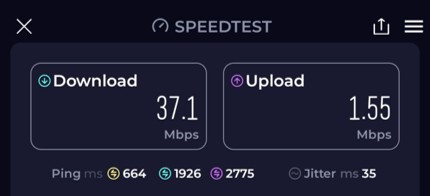
In general, the connection speed chugged along at around 2-3 Mbps, sufficient for basic tasks like editing blog posts, checking emails, sending photos on WhatsApp and arguing on the internet. More importantly, it was available throughout most of the flight. There were several periods of outages, but no longer than 10-15 minutes at a time.
Incidentally, the World Cup matches were being broadcast during the flight, which gave me an opportunity to correlate the Wi-Fi and Live TV availability (both are provided by Panasonic, though I’m not familiar with the infrastructure and whether they rely on the same hardware).
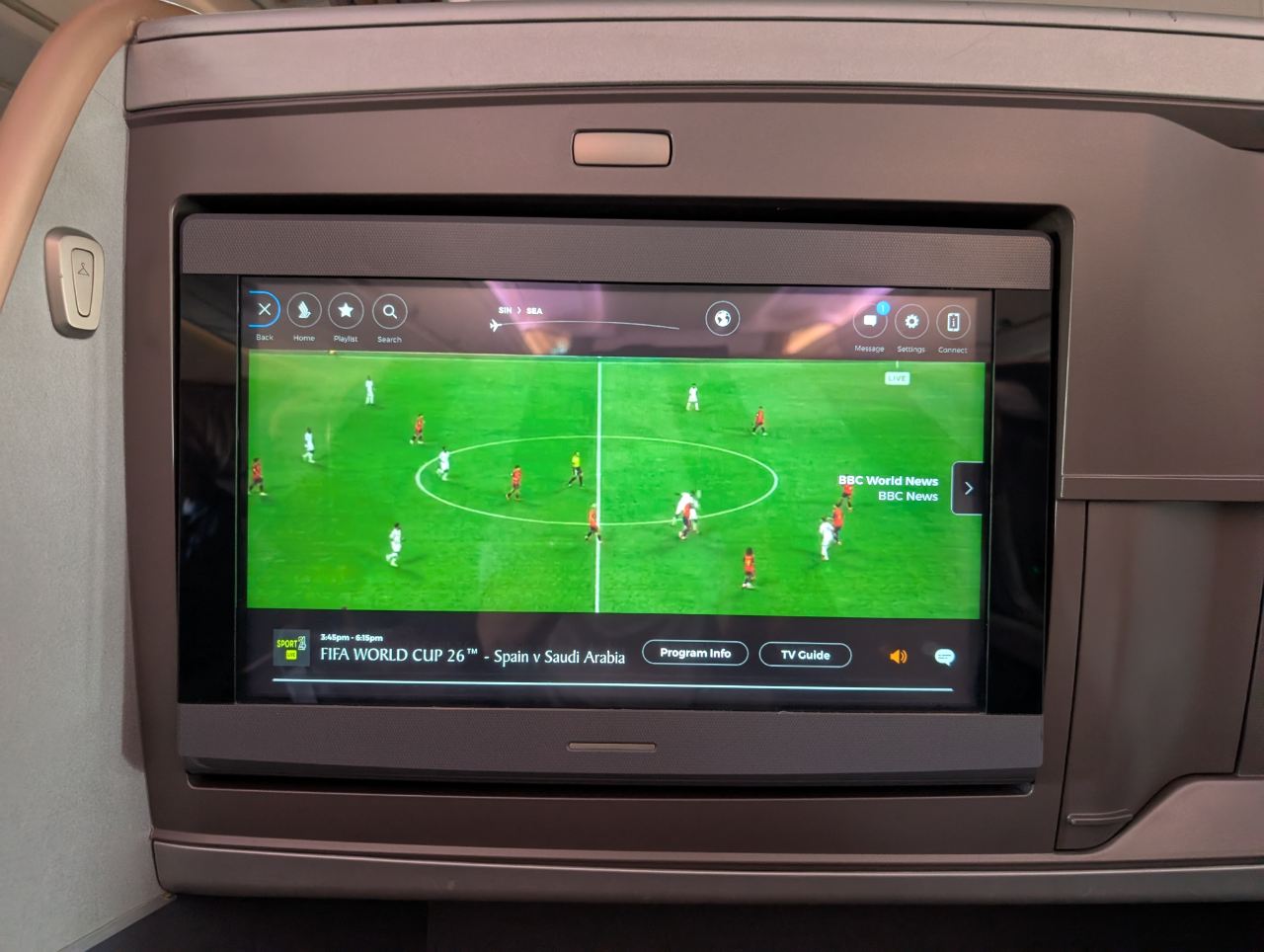

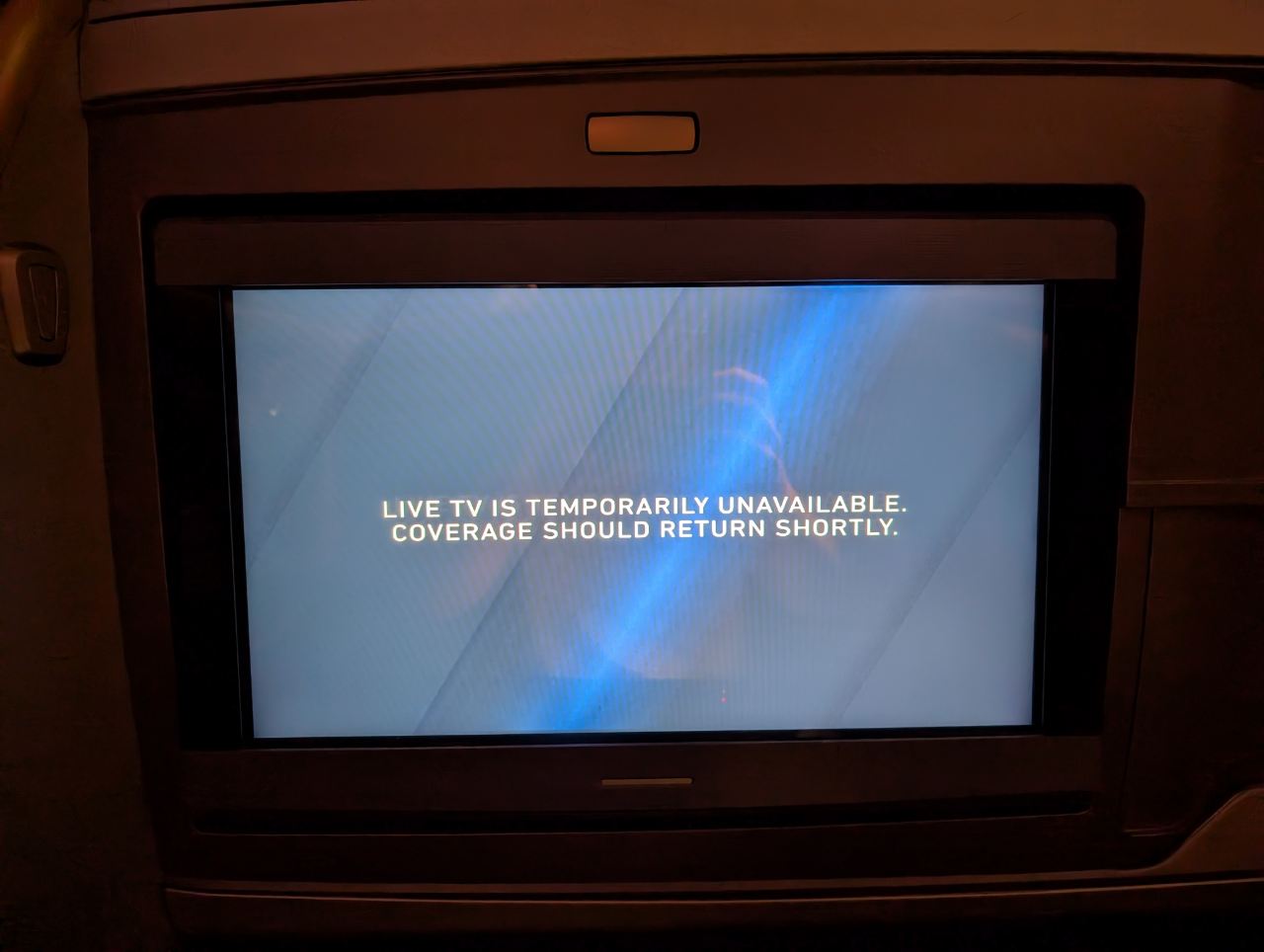
Based on my observations, most of the time when the Wi-Fi was down, the broadcast was down too. But it wasn’t a perfect correlation, because there were periods when the Wi-Fi was still chugging along, even though there was no Live TV feed.
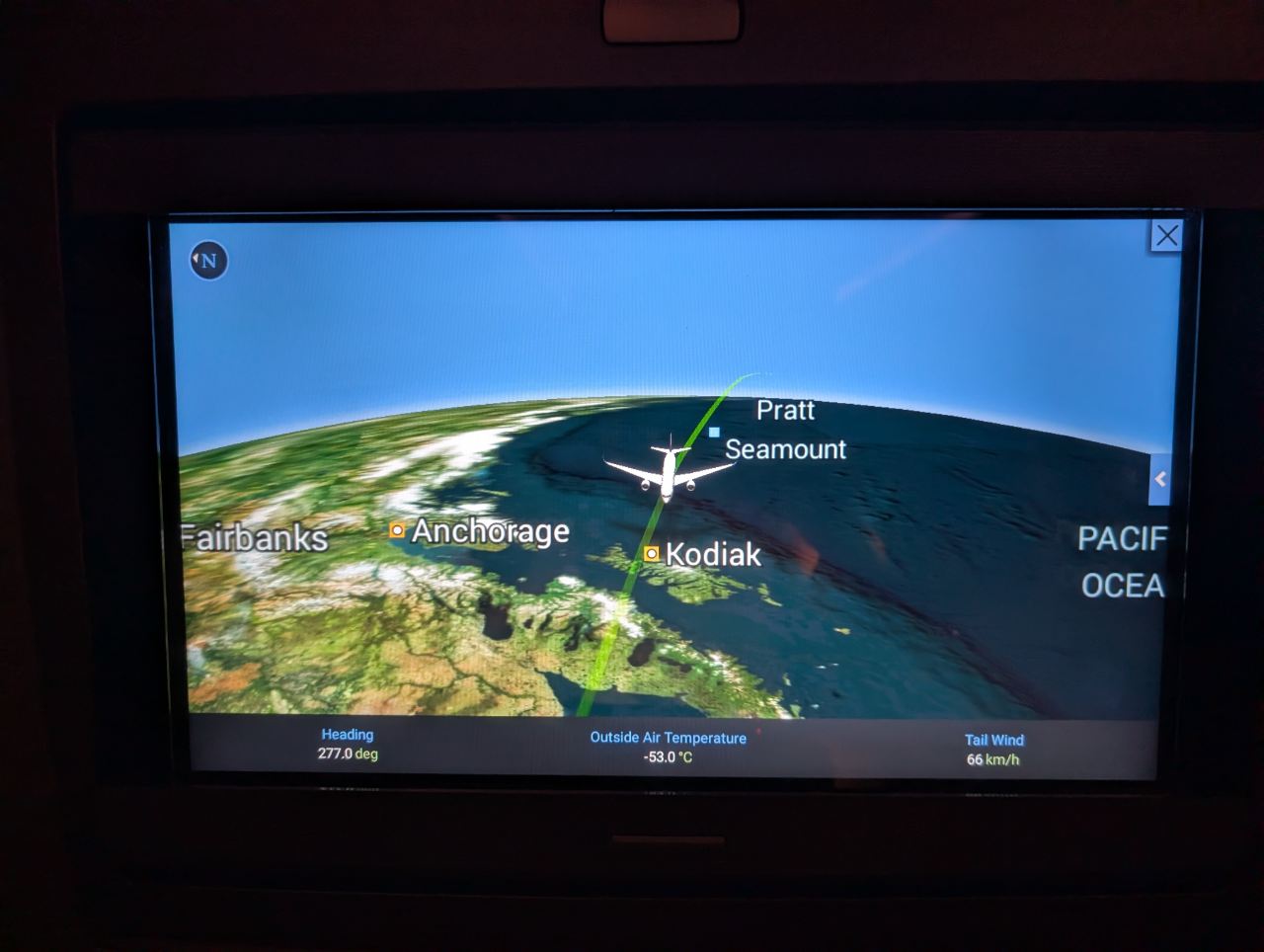
I did notice the worse dropouts happened when we were flying over Alaska, so it could be a congestion or coverage issue with this area.
Overall, it was a much-improved experience compared to the outbound flight, though of course it’s impossible to conclude from a single experience that everything is hunky dory.
Which Singapore Airlines flights are affected?
Given the current issues with transpacific Wi-Fi, here are the Singapore Airlines flights where you should plan for the possibility of being without connectivity.
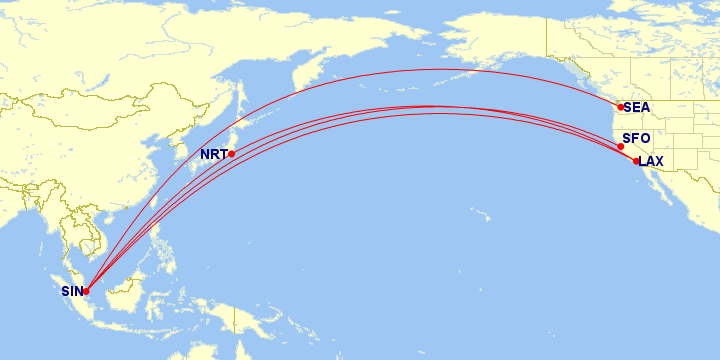 |
||
| Route | Flight Nos. | Duration |
| SIN to LAX | SQ36, SQ38 | 15h 35m |
| LAX to SIN | SQ35, SQ37 | 16h 35m |
| SIN to LAX (via NRT) |
SQ12 | 18h 25m (inc. 1h 10m NRT layover) |
| LAX to SIN (via NRT) |
SQ11 | 19h 35m (inc. 1h 10m NRT layover) |
| SIN to SEA | SQ28 | 14h 45m |
| SEA to SIN | SQ29 | 16h 20m |
| SIN to SFO | SQ32, SQ34 | 15h 45m |
| SFO to SIN | SQ31, SQ33 | 16h 25m |
It’s worth remembering that Singapore Airlines isn’t entirely at the mercy of Panasonic. The airline also uses Viasat (which replaced SITAOnAir, following its exit from the cabin inflight connectivity business in 2025) on the A350-900MH, A380-800 and selected B777-300ERs.
| ✈️ Singapore Airlines Fleet |
||
| Aircraft Type | Wi-Fi | System |
| Airbus A350-900MH | ✔ | Viasat |
| Airbus A350-900LH | ✔ | Panasonic |
| Airbus A350-900ULR | ✔ | Panasonic |
| Airbus A380-800 | ✔ | Viasat |
| Boeing 737-8 MAX | ✔ | Panasonic |
| Boeing 777-300ER* | ✔ | Panasonic Viasat |
| Boeing 787-10 | ✔ | Panasonic |
| *Viasat: 9V-SWB to 9V-SWT | Panasonic: 9V-SWU onwards, 9V-SNA to SNC. | ||
However, the A350-900MH and A380-800 do not operate transpacific flights. The B777-300ER is deployed on the SQ12/11 service to Los Angeles via Tokyo Narita, but even then, you’ll need to be lucky enough to get one of the older airframes (9V-SWB to SWT) which are equipped with the Viasat system.
Starlink can’t come fast enough

With the rollout of Starlink and other LEO satellite connectivity solutions, one day we’re going to look back on all this and marvel at how we ever accepted anything less than broadband speeds from airplane Wi-Fi.
Unfortunately, that day is still some distance in the future for Singapore Airlines, which has announced a very conservative Starlink installation schedule. SIA plans to install Starlink across roughly a third of its fleet, with the first aircraft refitted in Q1 2027, and the entire project completed by 2029.
| Aircraft Type | Number in Fleet | Starlink? |
| Airbus A350-900MH | 24 | ❌ |
| Airbus A350-900LH | 34 | ✅ |
| Airbus A350-900ULR | 7 | ✅ |
| Airbus A380-800 | 12 | ✅ |
| Boeing 737-8 MAX | 21 | ❌ |
| Boeing 777-300ER | 22 | ❌ |
| Boeing 787-10 | 28 | ❌ |
Having Starlink connectivity would be a gamechanger for me, and I’d go so far as to choose flights based on which aircraft have the system.
I mean, it’s a bit of a bummer to be struggling to send a text message on WhatsApp, while reading Elon Musk posting about “much higher download speeds” due to Starlink system upgrades…
Conclusion
Transpacific Wi-Fi performance has been notably poor over the past few months, particularly on aircraft equipped with Panasonic systems.
Singapore Airlines says that the situation has stabilised, and indeed, on my most recent flight the experience was more or less what I would normally expect onboard its aircraft — not fast, but sufficient for basic use.
That said, I’d hesitate to say that the situation has been fully resolved, so it’s worth keeping in mind and planning accordingly if you’re flying on these routes in the near future.
What’s your transpacific Wi-Fi experience been like?

SIA badly needs starlink and new seats in biz. Love the service, but sad to say the hard product has not kept up!
Well connectivity on Cathay from Manchester > HK was also quite terrible a couple of days ago
Was on this flight too last Nov. The wifi was close to non-existent
HKG area and HKG-SIN was bad – occasional packets leaking through like Aaron’s experienced.
However, they may be using a different provider?
Never had an issue. Always getting 150-250 mbps constantly from Europe to SG
-Qatar airways
Yes WIFI was quite bad on my return flight on SQ27 from SEA to SIN on 13 June (SEA) time. Connections were ‘intermittent’ and the live football matches were unavailable for quite some time as well.
MUC to SIN 3weeks ago was bad too
Was offline most of the time 3hours after take-off, and only online when coming near to Thailand. It was on A350.
Managed to send a few WhatsApp simple messages, but not pictures.
For simple things like email and WhatsApp, the connection was spotty on a flight from Singapore to Istanbul this week. Honestly I’m ok with the no video streaming etc but if even basic internet services are poor, they had might as well discard the product and be the only premium airlines with no wifi connectivity.