
Singapore Airlines has unveiled its next-generation First, Business, Premium Economy and Economy Class seats, which will be its flagship products for the next decade.
There’s good and bad here. The new First Class is stunning, the kind of product that reminds you how SIA built its reputation in the first place. And while I’m still shaking my head at the Business Class colour scheme and aesthetics, I have no complaints about the functionality. The seat is comfortable — at least as comfortable as a seat can be for a 10-minute on-ground tour — and fixes a lot of the longstanding issues customers have had with the current 2013 Business Class seat.
Premium Economy is a huge missed opportunity. Its no-privacy design would have been acceptable pre-COVID, but now looks dated before a single butt has flown in it. Economy Class is Economy Class, and I suspect those criticising SIA for going 10-across haven’t flown on other carriers lately, where that density has been standard on the Boeing 777 for a very long time.
In fact, my bigger issue with these two cabins isn’t the new seats per se, but rather the decision not to install them on the retrofitted A350s, which means that SIA will be flying seats with obsolete tech well into the 2030s.
Add in the various enhancements to the soft product, such as sleeper suits in Business and Starlink Wi-Fi, and I think that SIA will have competitive premium cabins once more. I’m not going to pretend like this will suddenly catapult them to market leadership, but it does stop the bleeding.
I’m still writing up my detailed hands-on impressions, but in the meantime, I wanted to share some insights from conversations I’ve had with the people who brought these cabins to life, while they’re still fresh in my mind.
Certification is holding up the new seats…
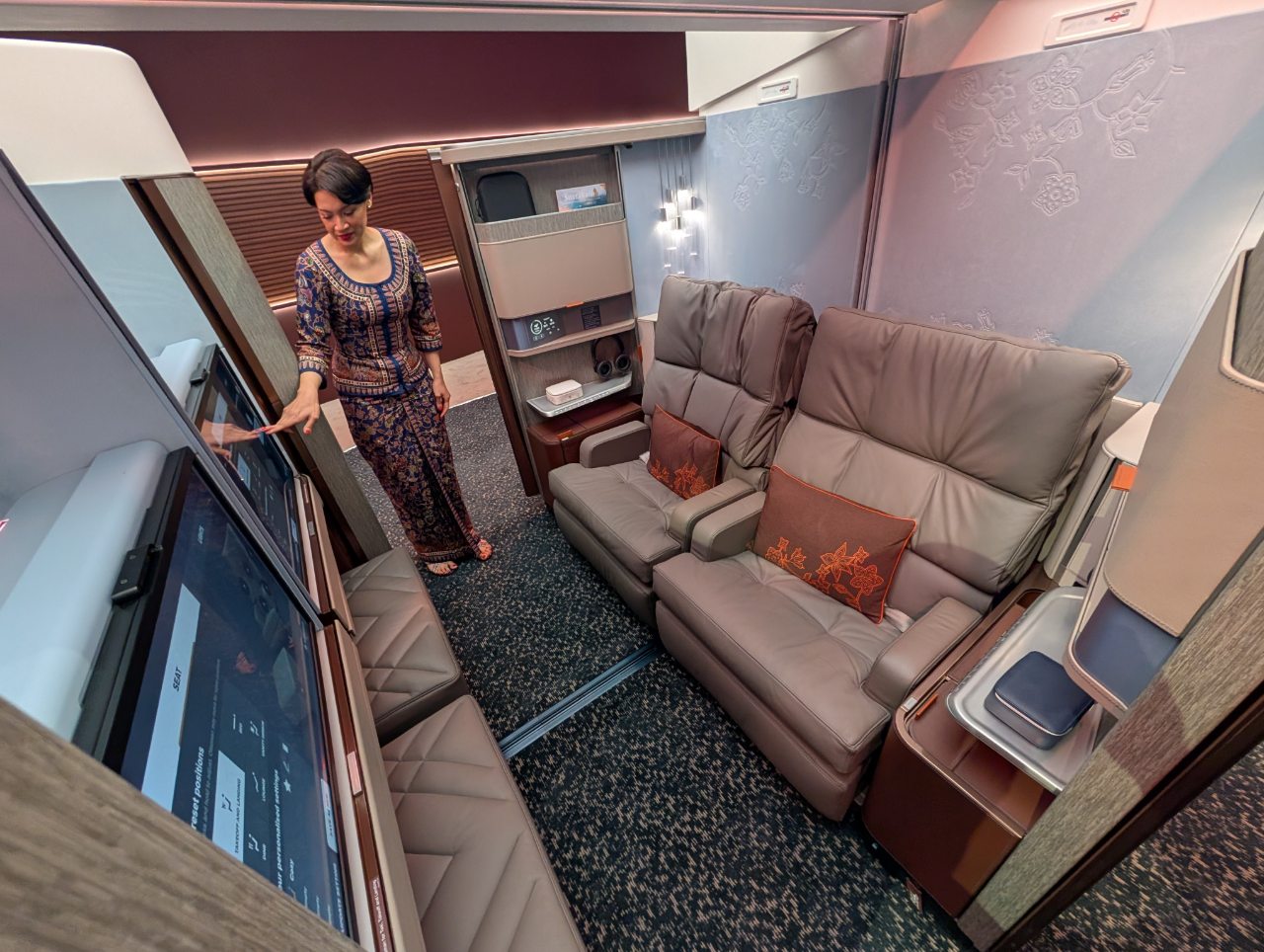
Amidst all the excitement of the unveiling, the most disappointing news of the day was that the new seats had been delayed yet again.
New cabin products scheduled to enter service from the second half of 2027 on SIA’s retrofitted Airbus A350-900 and new Boeing 777-9 aircraft
-Singapore Airlines
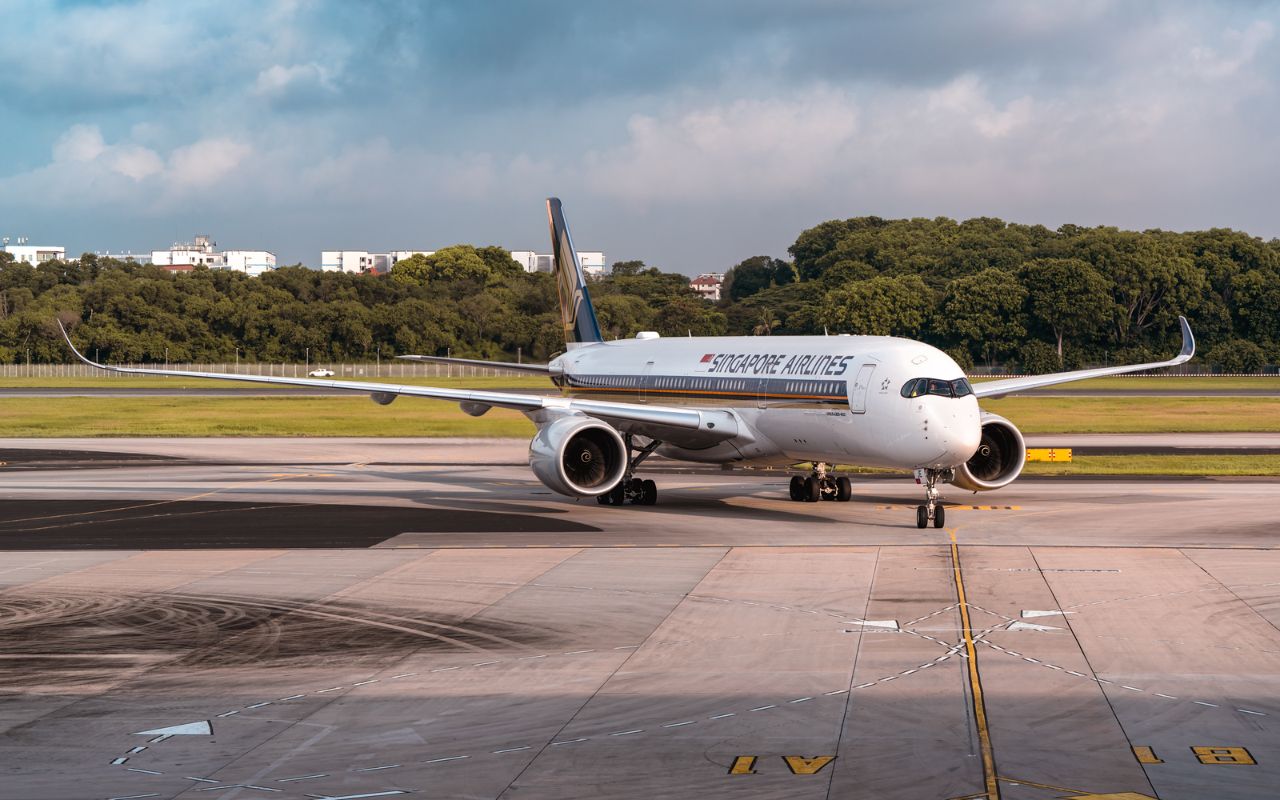
When Singapore Airlines first announced its Airbus A350 retrofit programme in November 2024, the plan was for the first A350-900LH to enter service in Q2 2026. That was later pushed to Q1 2027 due to supply chain and certification issues.
And now, we won’t be seeing the new seats until H2 2027.
| ✈️ SIA A350 Retrofit Programme |
||
| Aircraft Type | No. of Aircraft | First Refit Entering Service |
| Airbus A350-900LH | 34 | H2 2027 |
| Airbus A350-900ULR | 7 |
TBD |
Mind you, the retrofitted A350-900LHs will only have the new Business Class. For First Class, Premium Economy and Economy Class, we’ll have to wait even longer until the first A350-900ULR is retrofitted (First), or the B777-9 (all three cabins) arrives. The timelines for both are uncertain.
The holdup is certification. The seats on the B777-9 are certified, but the aircraft is not. The seats on the A350-900LH/ULR are pending certification (the aircraft, obviously, is certified).
It’s a good reminder that airplane seats are safety equipment first, furniture second. They need to pass a rigorous testing regime to show they meet FAA and EASA crashworthiness and fire safety rules. Every material in the seat must pass flammability tests. And as aircraft seats have grown increasingly complex, so too has the certification process, with regulatory bodies implementing new regulations, and taking a firmer stance towards interpreting some existing regulations as well. There is also a shortage of engineers required to perform the certification work — possibly as few as 200 worldwide, if you believe this report.
All this to say, the seats are ready, but the certificate is not. And as of today, SIA doesn’t expect to get regulatory sign-off until the second half of 2027 at the earliest.
That blows.
…but SIA is still committed to meeting the 2030 timeline
But perhaps there’s a silver lining.
With the delay of the first aircraft’s entry-into-service date, one would assume the timeline for retrofit completion has shifted too.
SIA originally planned to retrofit all 34 A350-900LHs and 7 A350-900ULRs by the end of 2030, based on the first aircraft entering service in Q2 2026, a window of about 4.5 years. Now that the first aircraft is due in H2 2027, retrofitting at the same pace would mean a completion in the first half of 2032.
When I asked SIA about this, however, the answer from public affairs was emphatic: nothing has changed, and it’s still aiming to finish retrofitting all 41 aircraft by the end of 2030.
I had the opportunity to speak to a few members of SIA’s management team during the event, and the sentiment was the same. Once regulatory sign-off is obtained, the pace of A350 retrofits is entirely within their control. If it means having to take multiple aircraft out of circulation to meet the target date, it will be done.
That’s encouraging to hear, but there’s reason to be sceptical, because SIA’s track record with retrofits isn’t great.

In May 2014, the airline announced a US$325 million retrofit of 19 B777-300ER aircraft with its 2013 First and Business Class products. The works were scheduled to begin in early 2015, and finish by September 2016.
The actual completion date? It wasn’t until March 2019 that 9V-SWT returned to service as the 19th and final refit.
Refitting 19 aircraft in the span of 20 months was always wildly optimistic, and let’s remember that the A350 refit project is far more daunting, involving not just newer, more complex seats, but a brand new inflight entertainment system and Starlink connectivity.
Likewise, when SIA unveiled its new A380 cabin products in November 2017, management stated that retrofit work on the 14 existing A380s would start in late 2018, and be completed by the end of 2020.
But by the time COVID shut down air travel in March 2020, only two aircraft had completed their refits — so SIA was never meeting its original timeline anyway. One additional refit was completed in June that year, another in November, after which seven A380s were retired, leaving just three more to be refitted.
The refit of the last A380 was ultimately completed in November 2023, meaning that SIA refitted seven aircraft over five years. Sure, COVID threw a wrench into the works, but its pre-COVID progress was already way behind schedule.
So I like what I’m hearing, but I’ve been disappointed before.
Are the seats DoA (dated on arrival)?
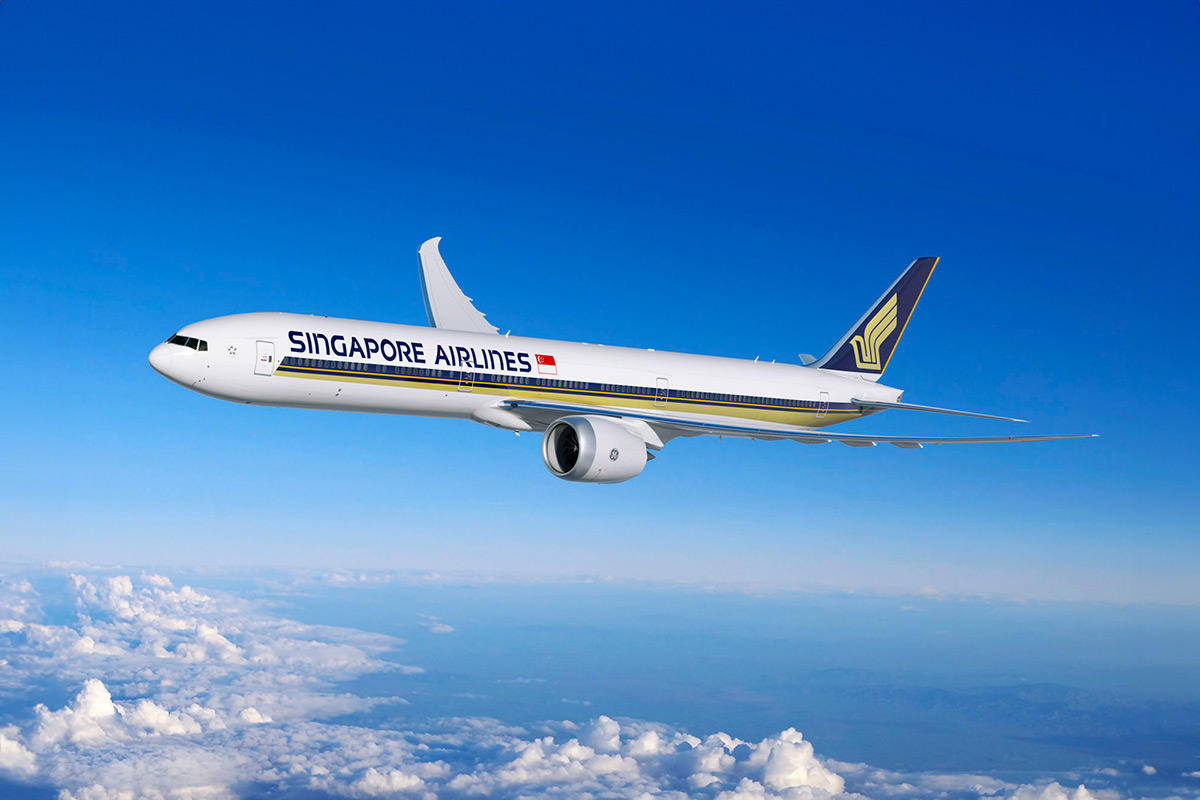
COVID-19 and repeated setbacks to the B777-9 programme mean that the seats we’re seeing today were originally signed off years ago. That’s raised concerns about whether the new products will be dated on arrival.
If it’s any consolation, I don’t think those fears have played out with First and Business Class. First Class looks absolutely stunning, even compared to its contemporaries, and Business Class — inexplicable colours aside — ticks all the right boxes.
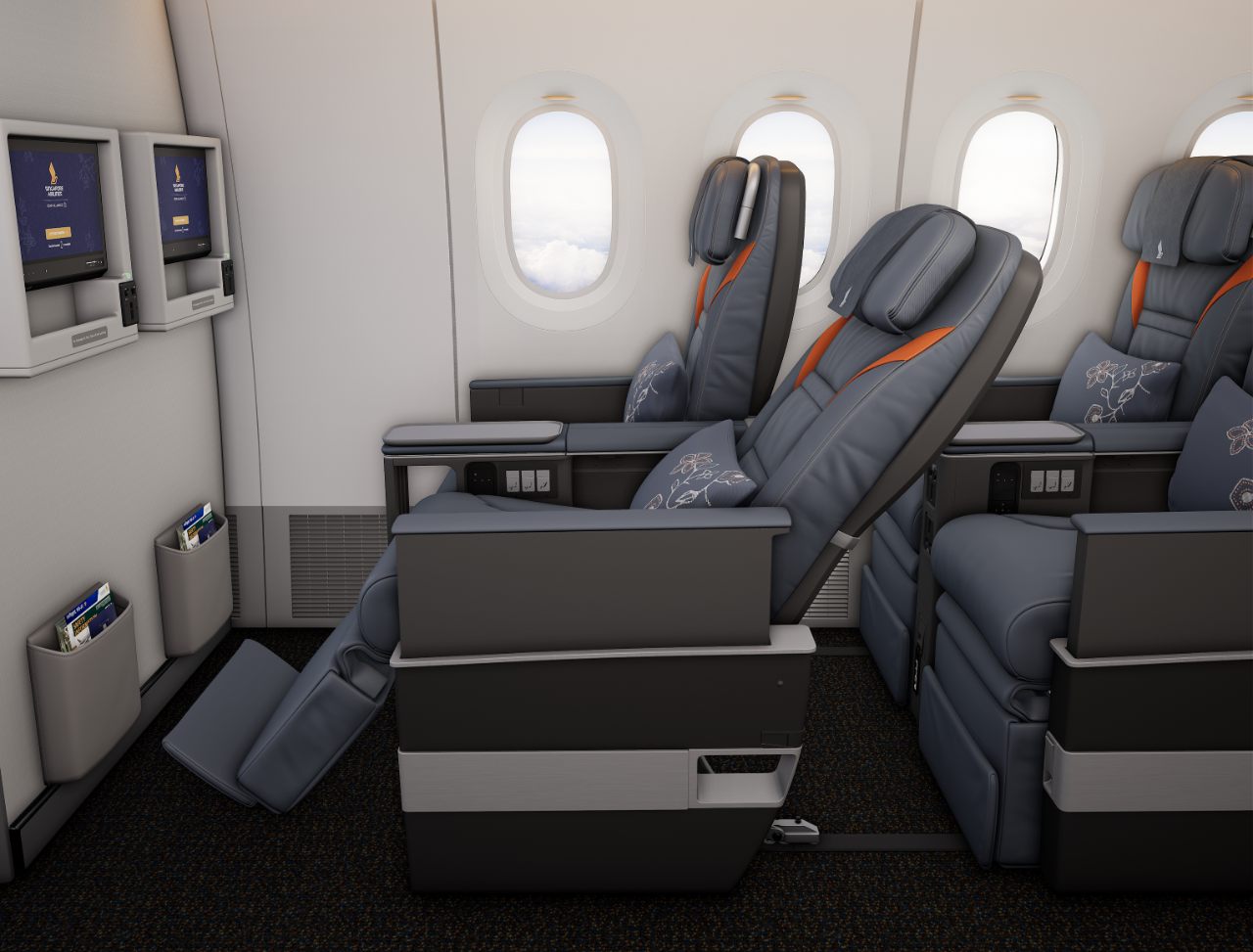
It does show with Premium Economy, however, because the design of the seat would have been perfectly acceptable pre-COVID, but pales in comparison to the newer, privacy-centric designs that Cathay Pacific, Emirates, EVA Air and Japan Airlines are introducing or have introduced.
When asked what the COVID period was used for, the preferred fallback phrase of the management team was “finer elements”, which I take to mean upholstery and soft touch surfaces — the skin, rather than the bones.
SIA has used the additional time to continue refining the products through customer feedback, testing, and technological and operational development.
This includes next-generation KrisWorld features such as spatial audio and Bluetooth pairing, OLED displays on selected aircraft, enhanced connectivity, and smart cabin controls for specific cabin products.
The products reflect what customers value today: greater privacy, comfort, intuitive functionality, flexibility, and a more connected experience
-SIA spokesperson
I’m not unsympathetic to the predicament. The Boeing delays are out of SIA’s control, and it’s not like you can go back to the drawing board (well, not unless you’re Emirates, which threw out its original 777X Business Class design as delays started mounting). There are only so many changes you can make without triggering recertification.
But customers aren’t going to be so generous, and when put beside the competition, this next-generation seat looks decidedly last-generation.
K-shaped Economy (class)
It probably hasn’t escaped your notice that Premium Economy and Economy are the A350 retrofit’s forgotten children.
While First and Business Class get modern comforts like 4K screens, Bluetooth audio and USB-C ports, Premium Economy and Economy get…an upgraded KrisWorld system, and fresh upholstery. It’s not exactly Christmas.
| ✈️ Airbus A350-900LH | |||
| Business (42 seats) |
Premium Economy (24 seats) |
Economy (192 seats) |
|
| Screen Size | 22″ | 13.3″ | 11.1″ |
| 4K Screens | ✅ | ❌ | ❌ |
| OLED | ✅ | ❌ | ❌ |
| New KrisWorld | ✅ | ✅ | ✅ |
| Spatial Audio | ✅ | ✅ | ✅ |
| Bluetooth Audio | ✅ | ❌ | ❌ |
| USB-C | ✅ | ❌ | ❌ |
| Wireless Charging | ✅ | ❌ | ❌ |
| Headphones | ANC | ANC | Wired earphones |
| ✈️ Airbus A350-900ULR | |||
| First (4 seats) |
Business (70 seats) |
Premium Economy (58 seats) |
|
| Screen Size | 32″ | 22″ | 13.3″ |
| 4K Screens | ✅ | ✅ | ❌ |
| OLED | ✅ | ✅ | ❌ |
| New KrisWorld | ✅ | ✅ | ✅ |
| Spatial Audio | ✅ | ✅ | ✅ |
| Bluetooth Audio | ✅ | ✅ | ❌ |
| USB-C | ✅ | ✅ | ❌ |
| Wireless Charging | ✅ | ✅ | ❌ |
| Headphones | B&O Wireless ANC | ANC | ANC |
These features will only arrive with the B777-9.
It’s a question I raised during the Q&A: Why no love here, and were there plans to upgrade these seats in a separate refurbishment?
The answer? “We have decided not to upgrade Economy and Premium Economy, that’s our decision at this point based on our review of all the various factors, we will have to review and consider in the future, never say never”.
In other words: it could happen, but that’s not the plan for now.
Another journalist then followed up by asking whether this was a reflection of SIA’s view of where it saw its business — and whether Economy and Premium Economy were not as important.
I could tell that characterisation didn’t go down well, because there was instant pushback, pointing to enhancements that cut across cabins, like the new menus and connectivity.
Later that day, a spokesperson shared this additional note:
On whether the programme only introduces enhancements for premium cabins
The programme includes new products across all four cabin classes on the Boeing 777-9 aircraft.
Premium Economy Class customers will enjoy full-grain premium leather upholstery, plush cushioning, and adjustable headrest, leg rest, and footrest, giving customers more space, comfort, and support during their journey. Charging options, enhanced entertainment, and added convenience features will also be available.
Economy Class customers will benefit from enhanced cushioning, improved knee and shin clearance, adjustable headrests, charging options, enhanced entertainment, and added convenience features.
The wider end-to-end experience also includes enhancements to dining, amenities, KrisWorld, and connectivity across cabin classes, subject to aircraft, route, and operational availability
-Singapore Airlines
I mean, sure, there are definitely investments being made in Premium Economy and Economy too, but it’s a relative footnote here. And given the uncertainty surrounding the B777-9 deliveries, we’re unlikely to see the new Premium Economy and Economy Class seats on more than a handful of aircraft by 2030.
At the same time, is it really surprising? First and Business Class are where the money is. SIA knows that schedule and price, not features, carry the day in Economy — though I am a little surprised at how underwhelming the new Premium Economy is, given the growing importance of the cabin.
The point I made to management is that it’s difficult to square the circle between the claims to be world class, and the decision to let Economy passengers fly into the late 2030s with USB-A ports.
I get the sense that they understand the frustrations, but at the end of the day, they pick their battles, and if given a choice between investing in First/Business or Premium Economy/Economy, there’s only going to be one winner.
The curious case of the B777-9s
If you’re a First or Business Class passenger, your experience when flying the B777-9 will be consistent across aircraft.
Premium Economy and Economy, however, are another matter. Read the press releases closely, and you’ll notice that on the B777-9, certain tech features are only available on “selected aircraft”.
As it turns out, there will be two versions of the B777-9.
| B777-9 v1 | B777-9 v2 | |
| No. of Aircraft | 12 | 19 |
| IFE System | NEXT | Astrova |
| First | Same | Same |
| Business | Same | Same |
| Premium Economy |
|
|
| Economy |
|
|
The key difference between the two is the inflight entertainment system:
- The first 12 B777-9s have Panasonic NEXT
- The last 19 B777-9s have Panasonic Astrova
This fragmentation reflects the protracted development cycle of the B777X programme. NEXT was introduced in Hamburg in 2017, with the new hardware and software timed to coincide with the B777-9’s entry into service, then expected in 2019-2020. Obviously, that didn’t happen, but SIA had already committed to NEXT on its first 12 airframes.
Then in 2022 came Astrova, which marked a significant upgrade. Panasonic markets it as the first IFE solution to offer 4K OLED and — more importantly to airlines — it’s 30% lighter than earlier systems.
| NEXT | Astrova | |
| OLED support | No | Yes |
| USB-C Power | 45W | 67W* |
| AC Power for Economy | Yes | No |
| *Panasonic says Astrova guarantees 67W per seat and can go up to 100W |
||
In my conversations with the KrisWorld team, I was told that NEXT supports a maximum USB-C output of 45W, while Astrova supports 67W. However, Astrova does not offer the option of in-seat AC power in Economy, and while it can support USB-A, the default peripheral bar doesn’t have it.
For Premium Economy passengers, the difference is minor. The v1 aircraft (NEXT) have a USB-A port, while the v2 aircraft (Astrova) lose the USB-A port but gain an OLED display. Either way, you’ll have USB-C and AC power.
For Economy passengers, the trade-off is bigger. The v1 aircraft (NEXT) have USB-A ports and AC power. The v2 aircraft (Astrova) upgrade you to an OLED display, but at the expense of both. USB-C becomes your only way to charge.
| ❓Why no OLED in First and Business Class? |
| If Astrova supports 4K OLED, why do First and Business Class on the 19 B777-9s not offer OLED screens? I’m a bit fuzzy on this, but the gist of the answer I got had to do with component availability. |
So that’s the backstory, but from a passenger point of view, it’s a little frustrating not to have certainty about features. Most modern devices can run on USB-C, but AC power may still be required for things like CPAP machines, and unless SIA plans to fly the v1s and v2s on separate routes — which is unlikely — it’s going to be Russian roulette.
Refreshed lavatories on the B777-9, but not the retrofitted A350s

As far as I can recall, there was only one time where SIA did something fun with its lavatories: the second-generation A380 Suites.
On every other aircraft, the bathrooms have been standard-issue, and the only way to tell which cabin you’re in is to look at the amenities.
I’ve been told that the A350 lavatories will remain the same after the refit — somewhat jarring to go from that luxurious First Class cabin into a bog-standard lavatory! — but the B777-9 will have something different.
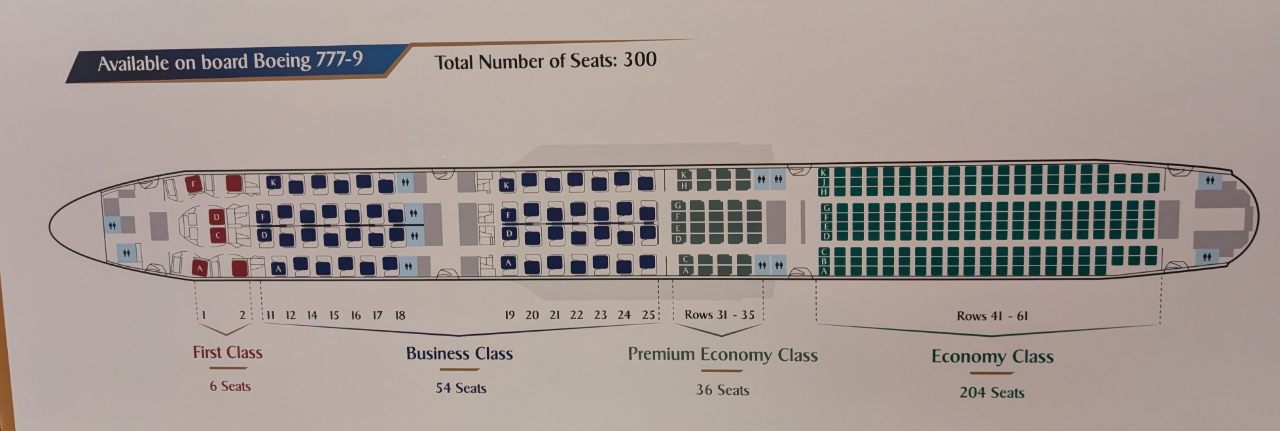
No, I don’t think we’re getting showers, but the seat map for the B777-9 shows one of the forward lavatories in the First Class section to be slightly larger. I’m hoping we’ll see some innovation there.
No news on the launch route

There were numerous attempts to get someone at SIA to spill the beans on which destination would be the first to get the new cabin products.
But there was no official word, and frankly, I don’t think the decision has even been made yet. With the uncertainties around the certification timeline, it’s somewhat premature to talk about launch routes.
That said, we can make some educated guesses. These are the cities where SIA has launched new cabin products ever since 1998.
| Cabin Product | Debut Route | Debut Date |
 1998 Sky Suites & Ultimo B747-400 |
🌏Multiple Destinations* | 13 Sep 1998 |
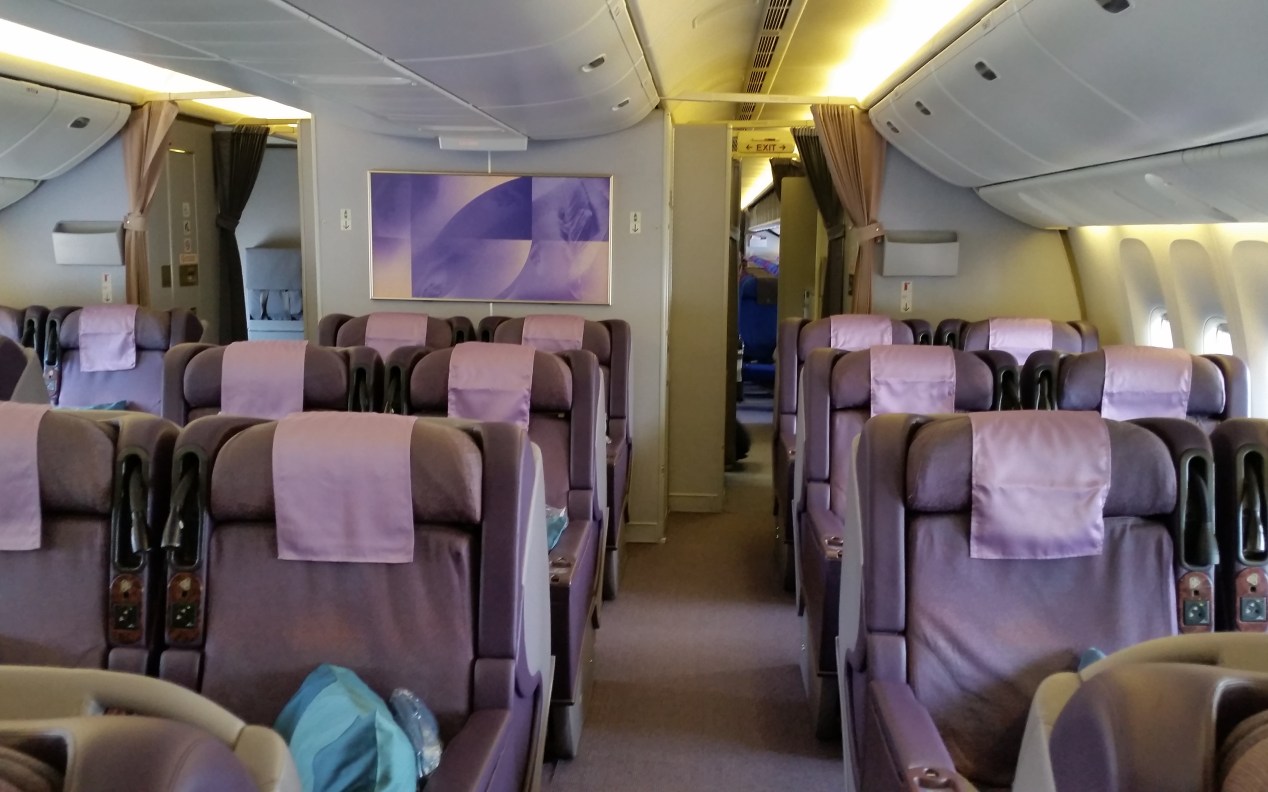 2002 Spacebed B747-400 |
🇬🇧 London |
31 May 2002 |
 2006 First and Business Class B777-300ER |
🇫🇷 Paris (SQ334/333) |
5 Dec 2006 |
 2007 Suites A380-800 |
🇦🇺 Sydney (SQ380/381) |
25 Oct 2007 |
 2009 Regional Business Class A330-300 |
🇦🇺 Brisbane (SQ255/236) |
30 Mar 2009 |
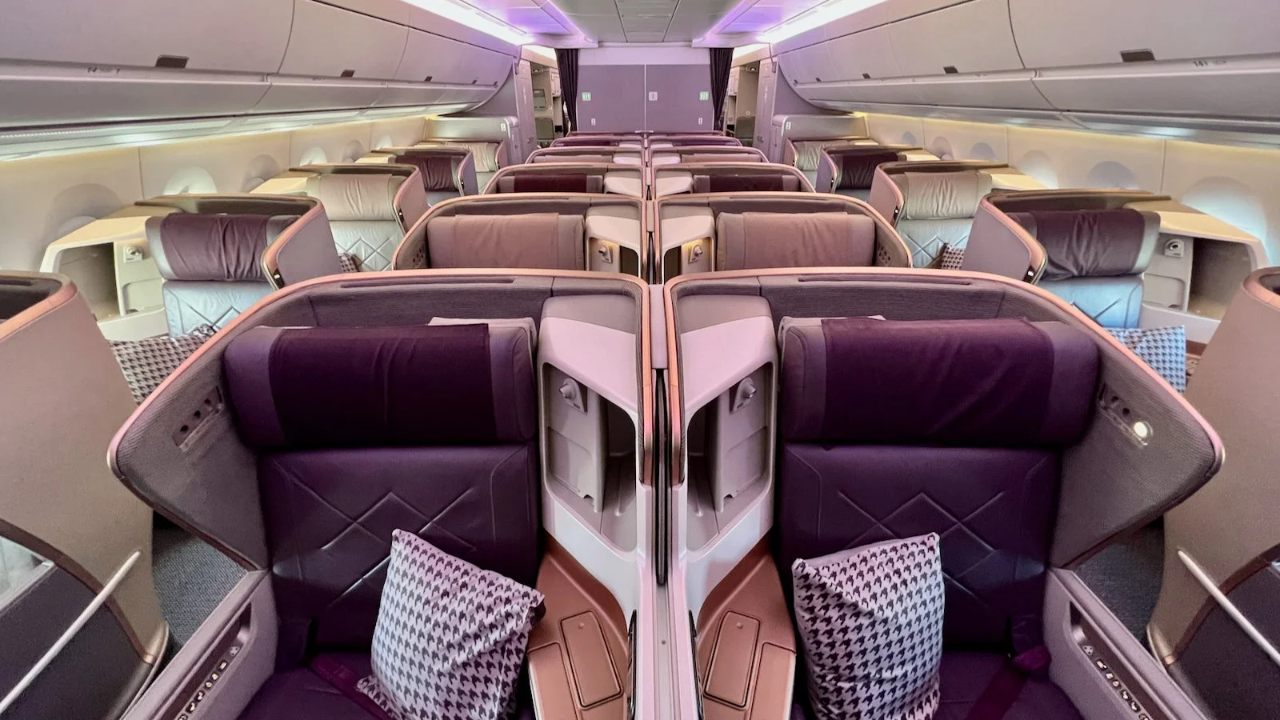 2013 First and Business Class B777-300ER |
🇬🇧 London (SQ318/319) |
27 Sep 2013 |
 2015 Premium Economy A380-800 |
🇦🇺 Sydney (SQ221/222) |
9 Aug 2015 |
 2017 Suites and Business Class A380-800 |
🇦🇺 Sydney (SQ221/232) |
18 Dec 2017 |
 2018 Regional Business ClassB787-10 |
🇹🇭 Bangkok (SQ970/973) |
3 Apr 2018 |
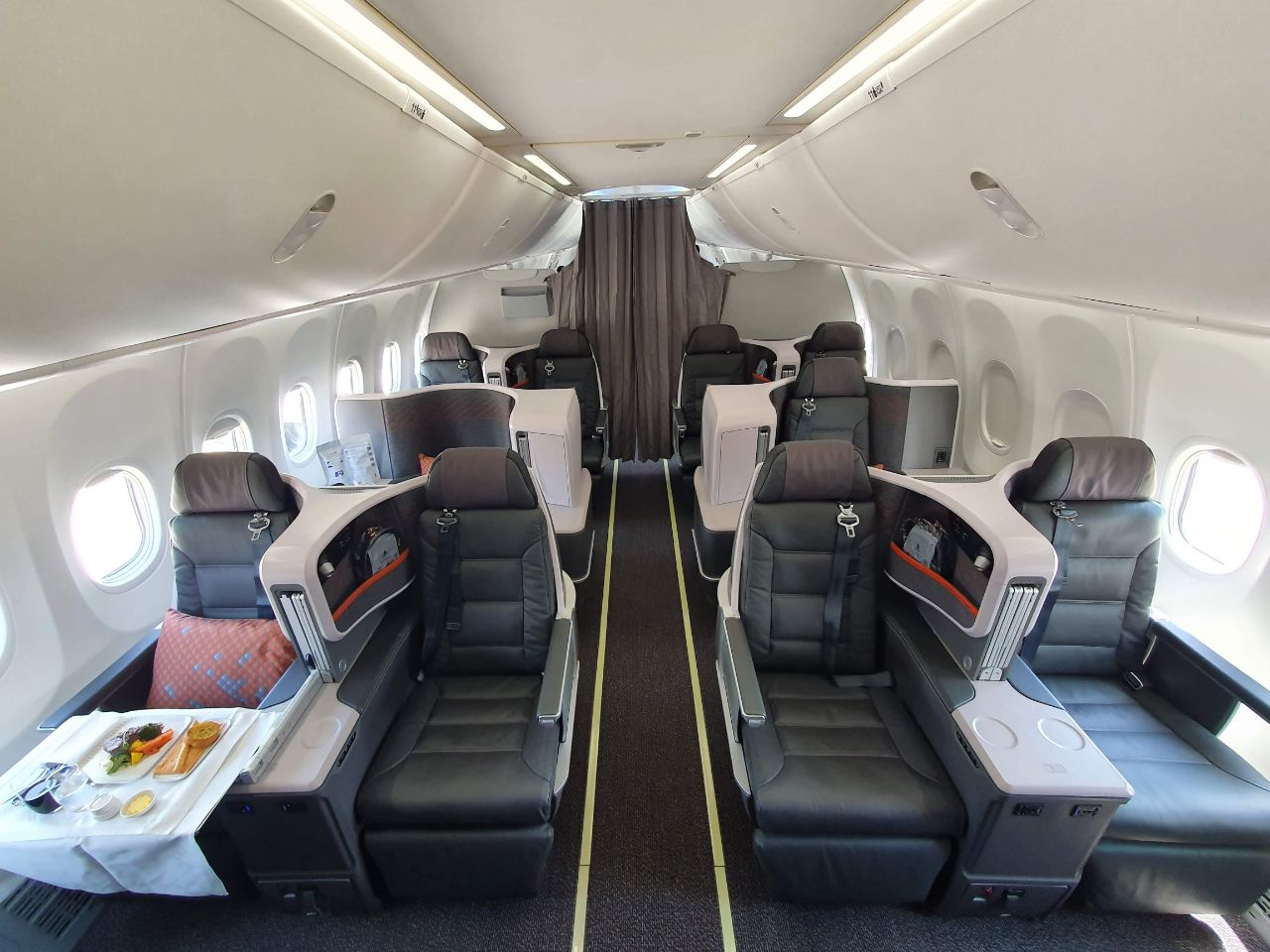 2021 Regional Business ClassB737-8 MAX |
🇹🇭 Phuket (SQ728/738) |
23 Nov 2021 |
If we ignore the regional Business Class products, then London and Sydney would be the two most common routes for Singapore Airlines to launch new seats.
Of the two, Sydney would allow for better product consistency, as the rotation can be handled by a single aircraft (barring any mechanical snafus), enabling SIA to offer the product on a daily basis. They could probably even tag on a regional flight between turnarounds, providing additional opportunities for crew familiarisation.
But the distance to London is much further, and the following day’s flight from Singapore would depart before the aircraft from the previous day had a chance to return. Therefore, if London were to be the launch route, then daily service would not be possible until more retrofitted aircraft arrive.
If you believe in mind games, two of SIA’s KrisWorld images showed the flight as SQ317 from London Heathrow to Singapore.
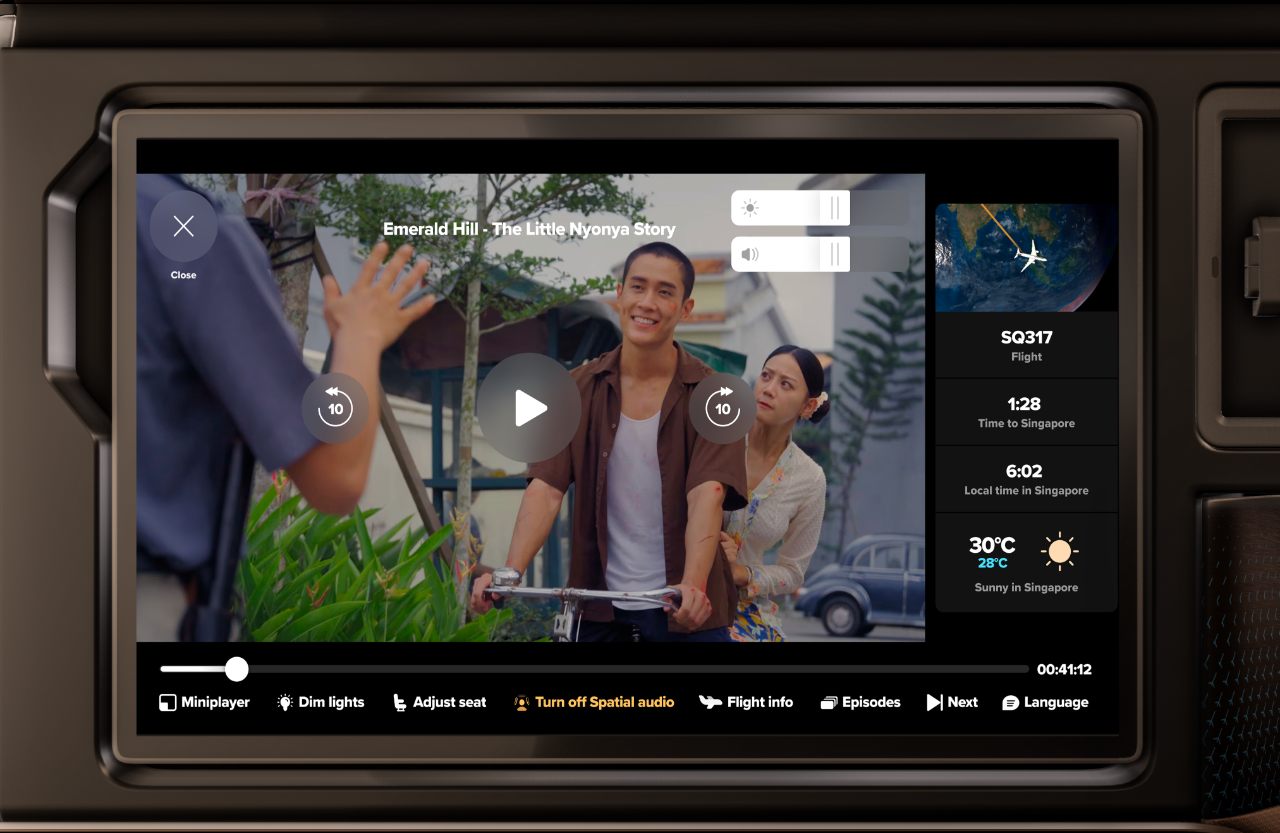
I also spotted London on the touch panel in the First Class suite.
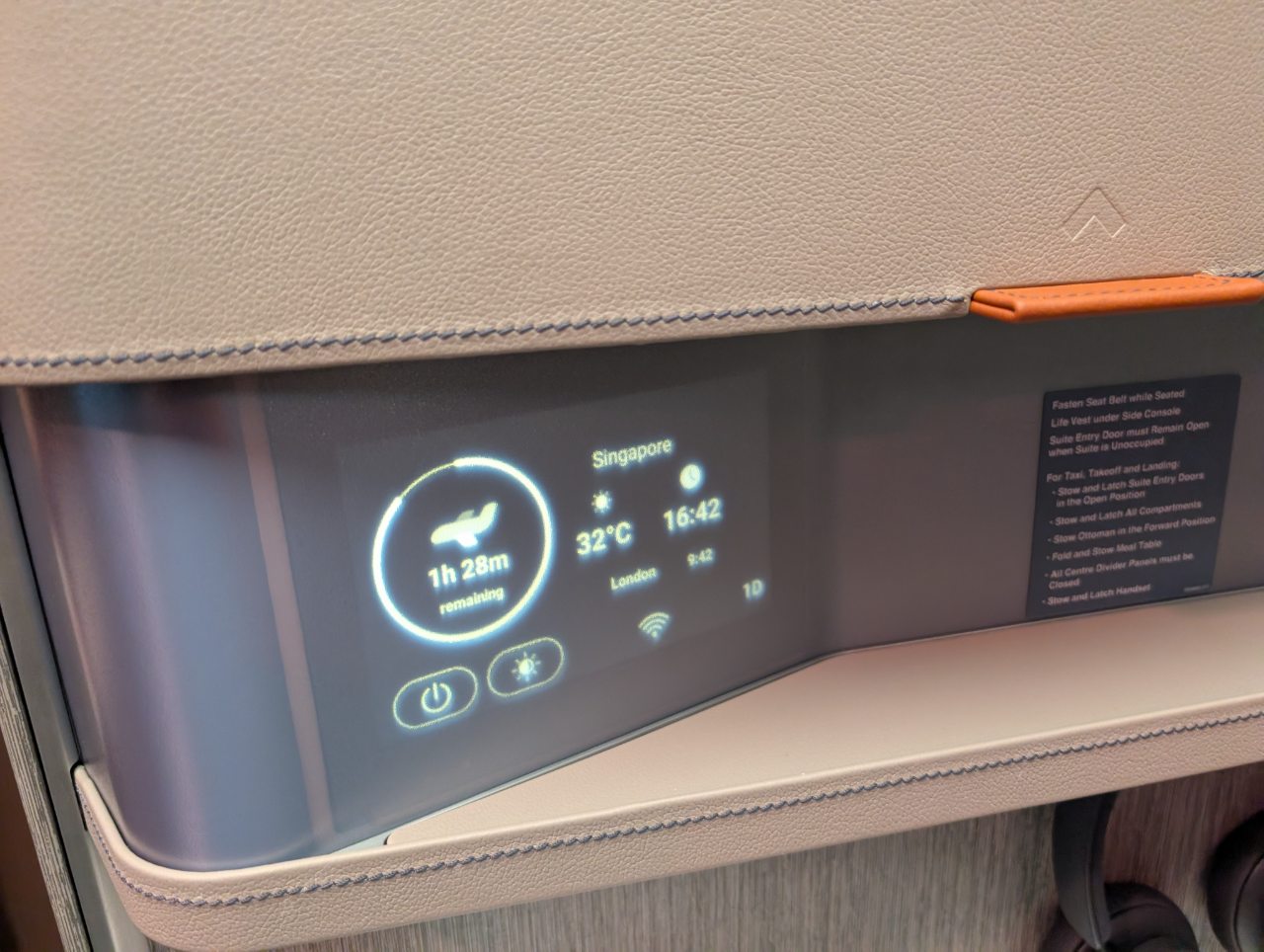
SIA has used mock-ups to hint at launch routes for new cabin products, most notably with the Boeing 737-8 MAX (Phuket). I think London is a very good bet, but sometimes, a cigar is just a cigar.
Saver awards will be available

During the media briefing, SIA was asked whether fares would increase on routes where the new cabin products were deployed.
I thought this was a bit of a strange question to ask, given that fare prices are driven by demand, seasonality, competition and broader economic conditions rather than hardware upgrades. Airlines don’t introduce new cabins to raise fares; they do so in order to sell a higher-yielding cabin mix (more Business, less Economy) or to entice passengers to upgrade.
But award prices? Well, that’s a different story altogether.
To be clear, I don’t think there’ll be an increase in KrisFlyer redemption rates per se. We just had a devaluation in November 2025, so prices are likely to be stable for at least a couple of years.
The bigger fear is that there could be a complete block on Saver redemptions for the new cabin products. This has some precedent: when the 2006 First and Business Class seats launched on the B777-300ER, Saver awards were blocked until March 2012. Suites Saver awards weren’t available until late 2012, almost five years after the product launched.
However, that hasn’t been the practice in recent times. There were no restrictions on Saver when the 2013 First and Business Class seats launched, nor the 2017 Suites and Business Class on the A380 (though Suites Saver is more theoretical than anything else).
I asked a member of SIA’s management team, and he committed that Saver awards would be possible for the new cabin products, subject to the usual “demand and supply” caveat.
If demand is very strong, you may see fewer or no Savers. If there’s more capacity, Saver redemptions will be possible (though if London is indeed the launch route, then First Savers will be few and far between). I also asked whether this only applied to PPS members, or to KrisFlyer members in general. As expected, PPS members have priority, but it doesn’t mean only PPS either.
Long story short, Saver will be available, at least theoretically. How easy it will be to redeem — especially without PPS status — is a separate question altogether.
No plans for medium-haul version
Several airlines which have introduced next-generation long-haul seats have introduced modified versions for regional service, or smaller aircraft.
For example, Cathay Pacific has the Aria Suite for long-haul, and will soon launch the Aria Studio for medium-haul flying. ANA has The Room for the B777-300ER, and will offer The Room FX for the narrower B787-9.
When asked about its plans for the regional fleet, SIA management was non-committal, only pointing out that the A330-300s were retired during COVID, so the regional Business Class was still quite new.
That’s true, in a way. The seats were introduced in 2018, and it’s probably too early to talk about ripping them out. At the same time, the average cabin product’s lifespan is 10 years, so we are approaching the point where the designers will at least have to sit down and think of what the next iteration will look like.
But the overall sense I got was that they were quite content with the current product, and still celebrating the milestone of “every Business Class seat a flatbed”, reached last year with the retirement of the Boeing 737-800.
Don’t expect news on this anytime soon.
That colour scheme
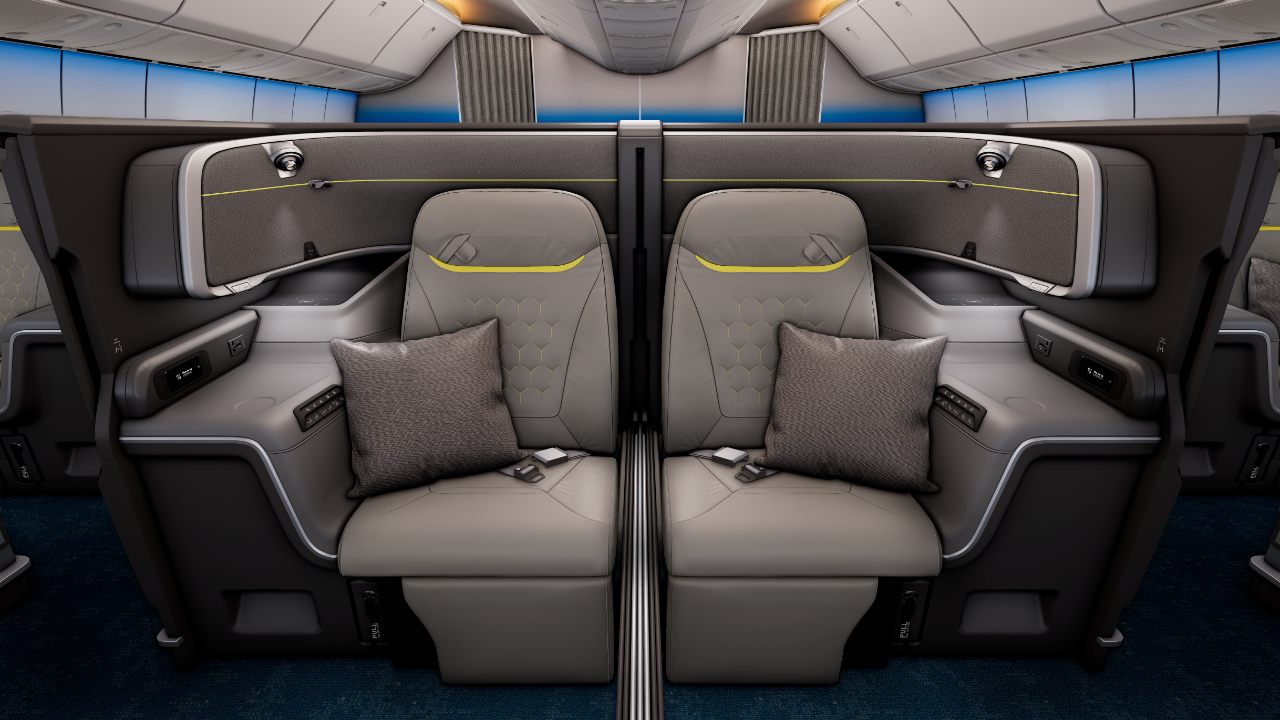
And finally, if there’s one thing the internet could agree on, it’s that the new Business Class colour scheme is…a choice.
The light grey and yellow pairing has been drawing unflattering comparisons to Scoot, with many quotable quotes such as “like SQ had a mid-life crisis and decided to buy a sports car”, “is this a Secret Lab chair”, or “like Scoot and Spirit Airlines had a baby”.
I’ll discuss this more in the hands-on post for Business Class, but in short, I’m not a fan. I find the design choices — a motif based on a 2011 NASA space mission instead of the batik motif, the use of hard plastics for the side console, and the selection of light grey for a surface that will see plenty of red wine and coffee spills — odd, to say the least, and yellow is just not SIA’s colour. I’m worried the froth about the aesthetics will overshadow what is otherwise a very big improvement to the Business Class seat (the footwell in particular).
I shared this feedback with management, and the sense I got was that they understood it wouldn’t be for everyone, but they stood by the choice. The public relations team later provided this statement:
“Our new Business Class cabin has been designed to offer a fresh and contemporary take on premium travel, with a distinctive visual identity that reflects a modern, progressive, and forward-looking design philosophy. While SIA’s signature warm and classic aesthetic has served us well over the years, we wanted this new product to have its own character, combining a refreshing aesthetic with a sense of sophistication and understated luxury.
We do not subscribe to a fixed colour palette across our cabins. Instead, our design choices are guided by the overall vision and experience we seek to create for each product. For our new Business Class, the colours, materials, and finishes have been carefully selected to create a refined, contemporary, and distinctive environment for our customers.”
-Ong Wah Li, VP, Product Experience
Perhaps one of the more amusing moments of the afternoon — for me at least — was that a Designworks representative was present. People really weren’t holding back with their opinions, and the poor lady looked shellshocked. She probably needed a stiff drink (or four) afterwards.
We’ll be talking about this for a long time, I suspect…
Conclusion
Singapore Airlines’ new cabin products are a mixed bag. Up front, it’s done what it needs to do. First Class is the kind of statement product that will go a long way towards restoring some of the vaunted halo effect, and Business Class fixes the 2013J seat’s shortcomings. If you’re flying up front, there’s reason to be optimistic.
Further back, the picture is less rosy. Premium Economy looks outdated even before it launches, and while Economy on the B777-9 will be good enough, on the A350s it’s stuck with yesterday’s tech. Moreover, there will be some product fragmentation within the B777-9s due to two different IFE systems.
SIA says “never say never” about upgrading these two cabins later, but for now, it’s betting that customers will choose based on price and schedule, not hardware. Commercially, that’s probably the right call, but it’s hard to square with the “world class” branding.
There’s also the question of timeline. These seats should be flying already, but now we have another delay on our hands. SIA insists that end 2030 is still the target date, and I really want to believe that, but the track record isn’t promising.
More thoughts in the days to come.
